Historical Faces
See the people history remembers.
A growing archive of reconstructed faces from the ancient world, royal courts, battlefields, empires, revolutions, and myth-making centuries of public memory.
Newly added
Recent reconstructions

Mulan
0–0 · Northern China (traditional setting)
Hua Mulan — legendary Chinese woman who took her father's place in the army, known from the Ballad of Mulan and later dramatic retellings.
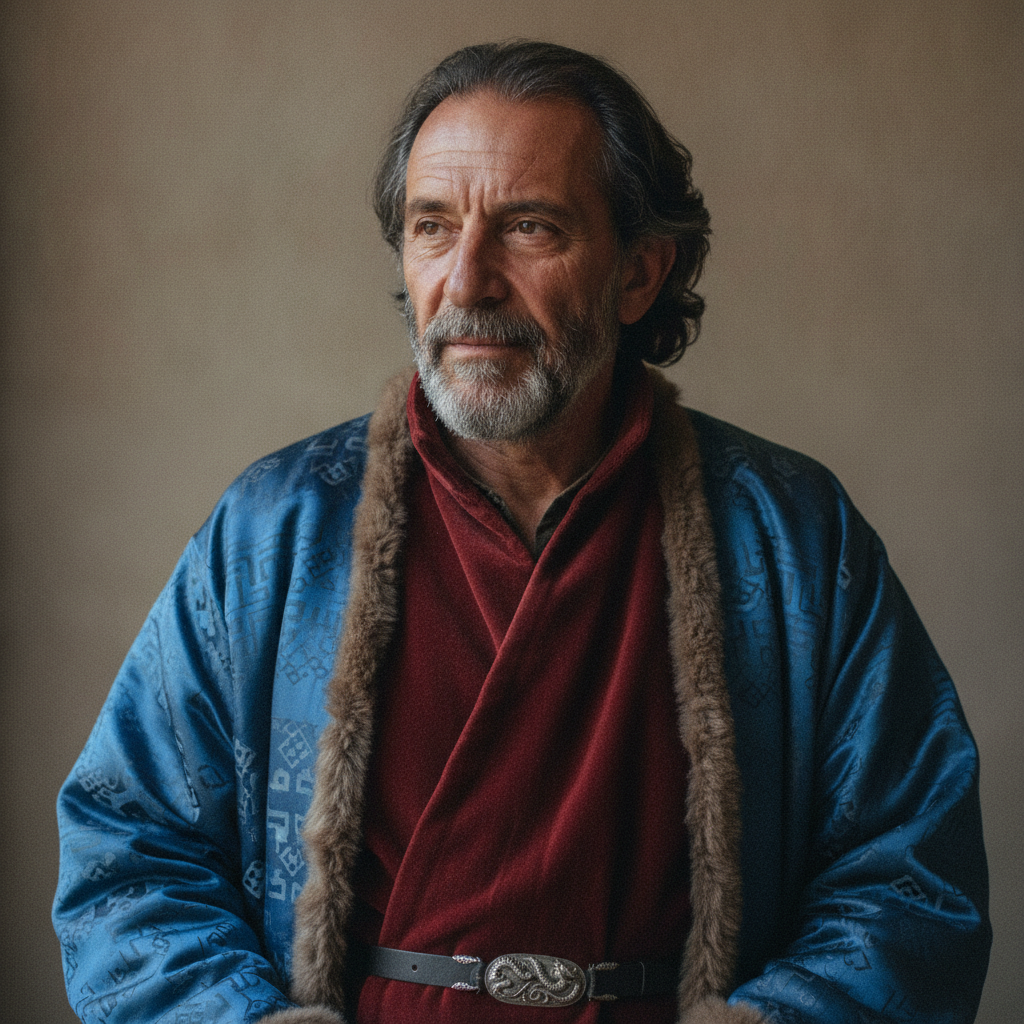
Marco Polo
1254–1324 · Republic of Venice (traveller to Yuan China)
Venetian merchant and traveller whose accounts popularized knowledge of Asia in Europe.

Christopher Columbus
1451–1506 · Genoa (Republic of Genoa); active in Spain and the Atlantic
Italian-born Genoese navigator who led the 1492 transatlantic voyage that opened sustained contact between Europe and the Americas.
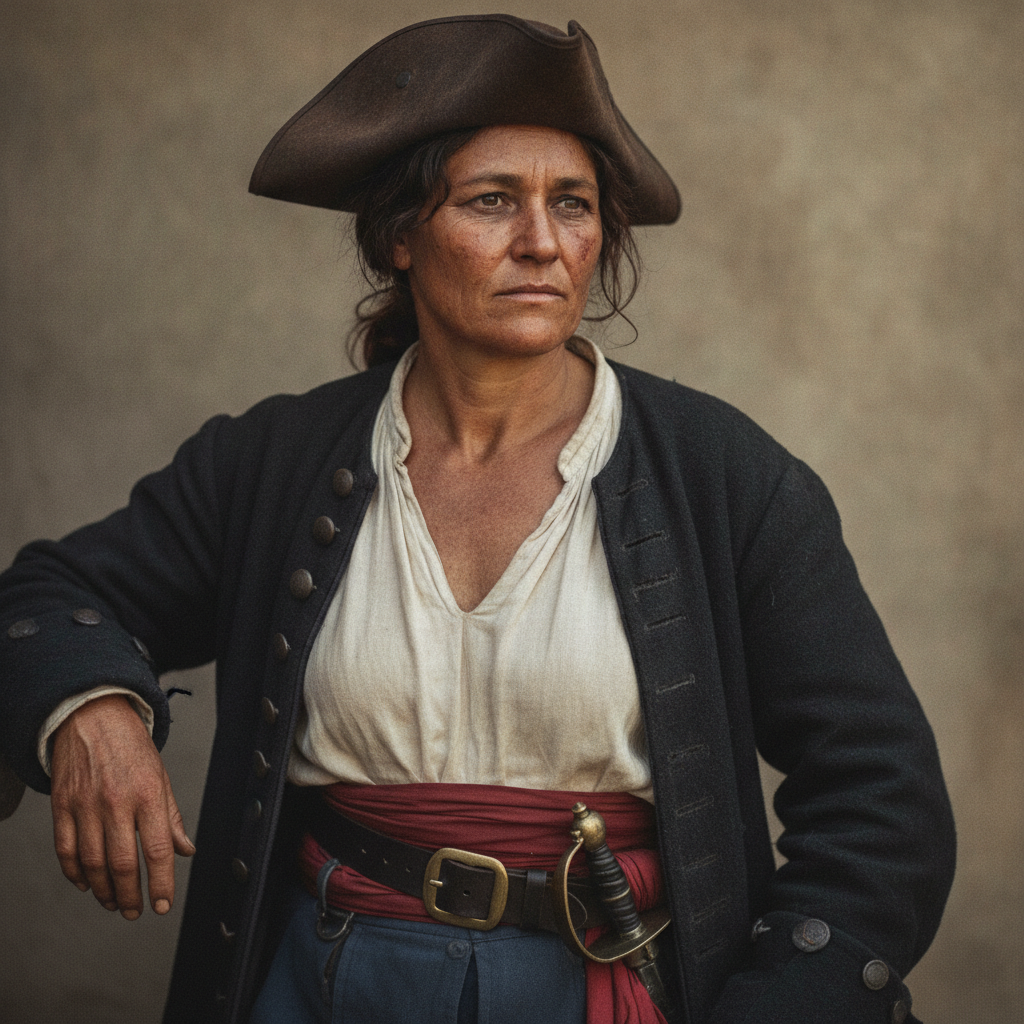
Mary Read
1685–1721 · English (active in Caribbean)
Mary Read was an English pirate who sailed with Calico Jack Rackham and Anne Bonny and was tried in Jamaica in 1720–1721.
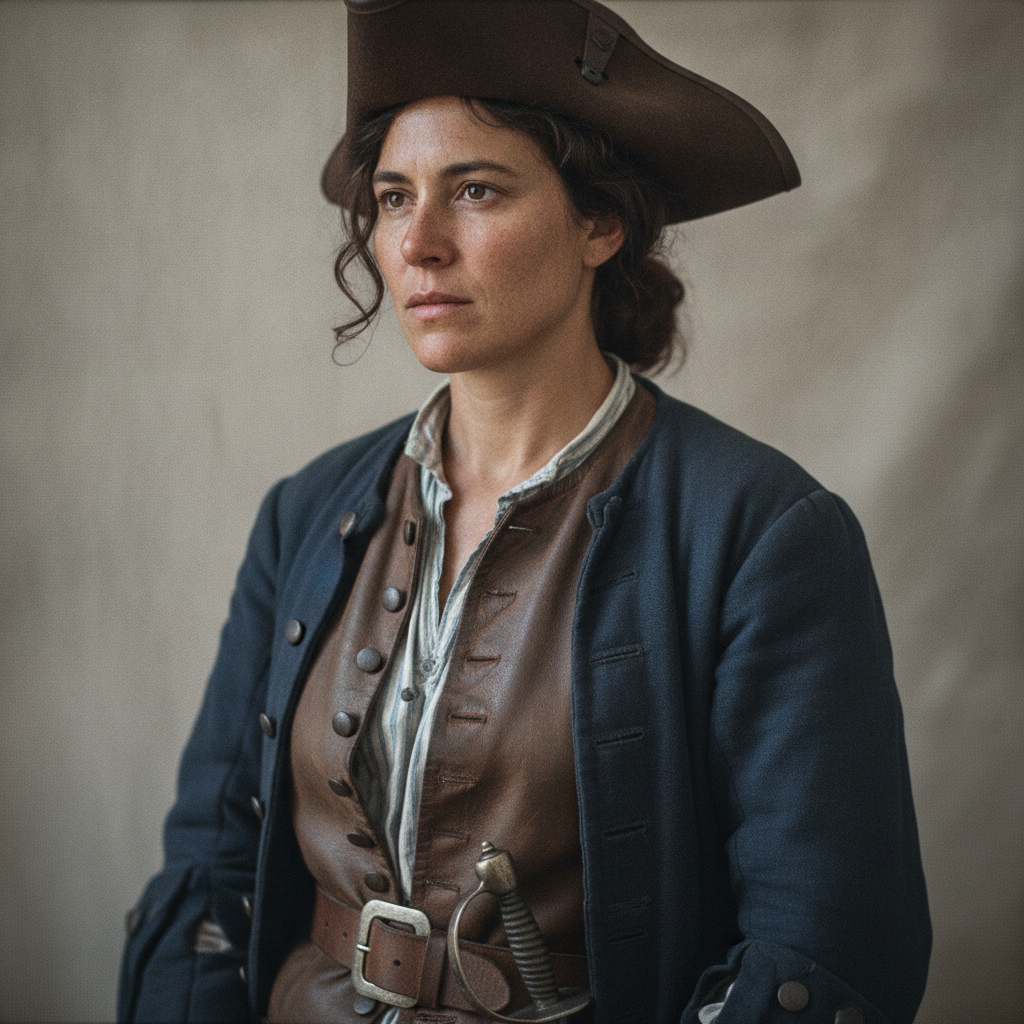
Anne Bonny
1697–1720 · Born in County Cork, Ireland; active in the Caribbean
Irish-born pirate active in the Caribbean around 1718–1720, famous for sailing with 'Calico Jack' Rackham and for fighting while disguised in men's clothing.
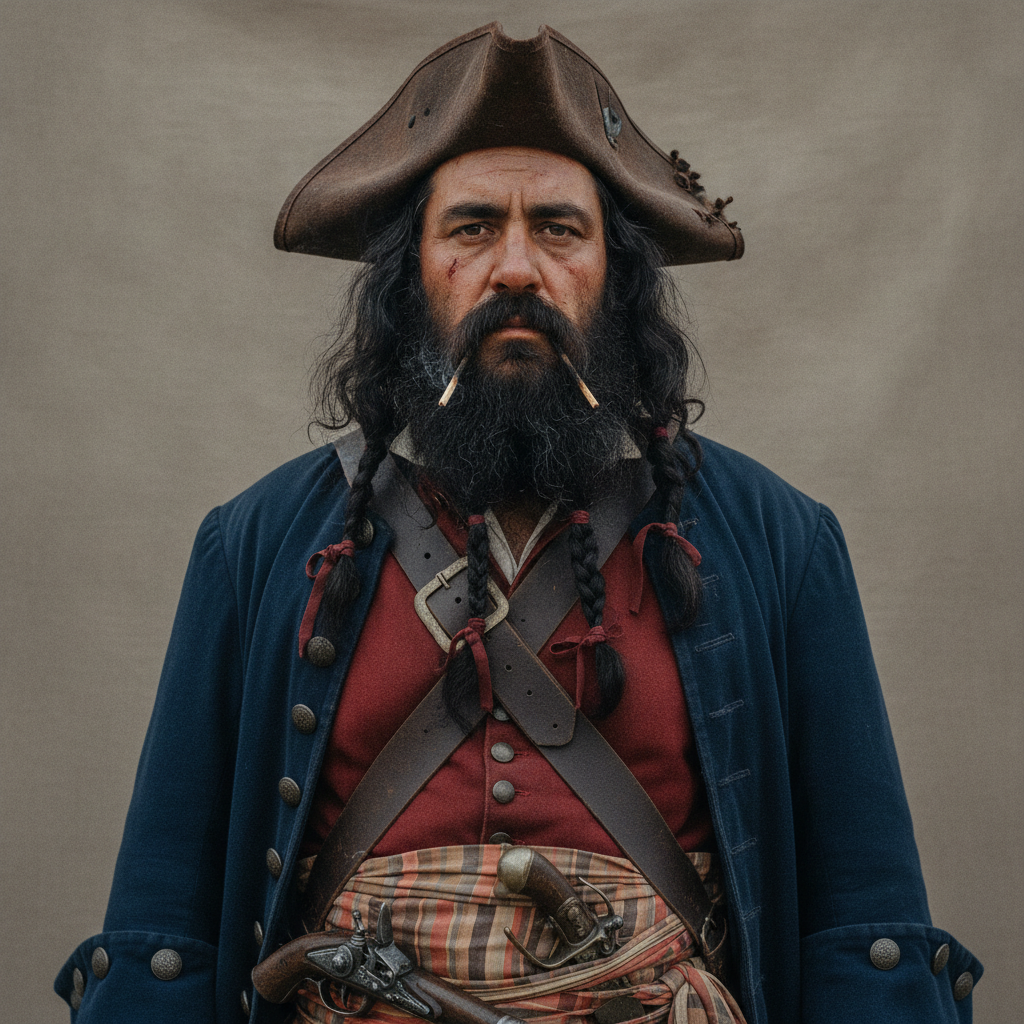
Blackbeard
1680–1718 · English Caribbean and American eastern seaboard
Edward 'Blackbeard' Teach (Thatch) was a notorious English pirate who operated in the Caribbean and along the North American Atlantic coast and was famed for his fearsome appearance and tactics.
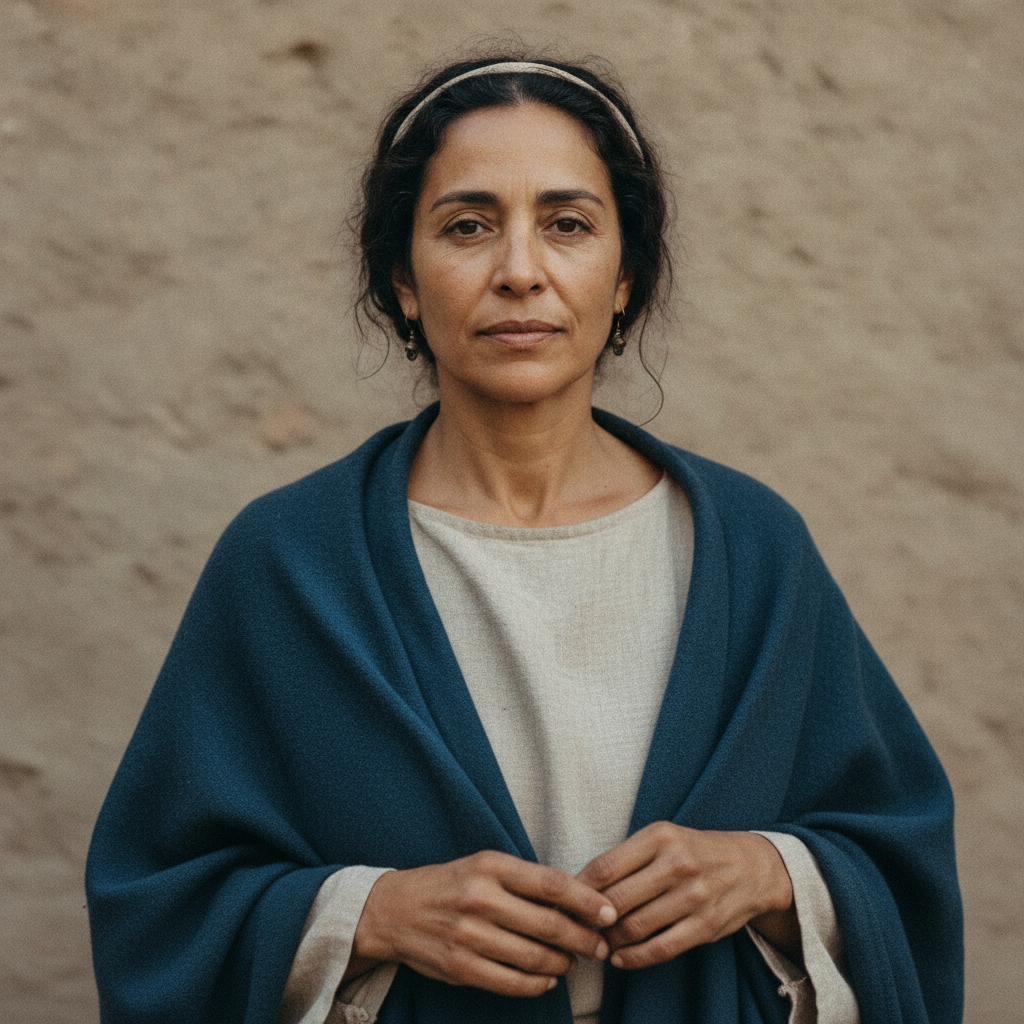
Deborah
0–0 · Ancient Israel (Canaan)
Deborah — the Israelite prophetess and judge who led and adjudicated Israel, known from Judges 4–5 in the Hebrew Bible.
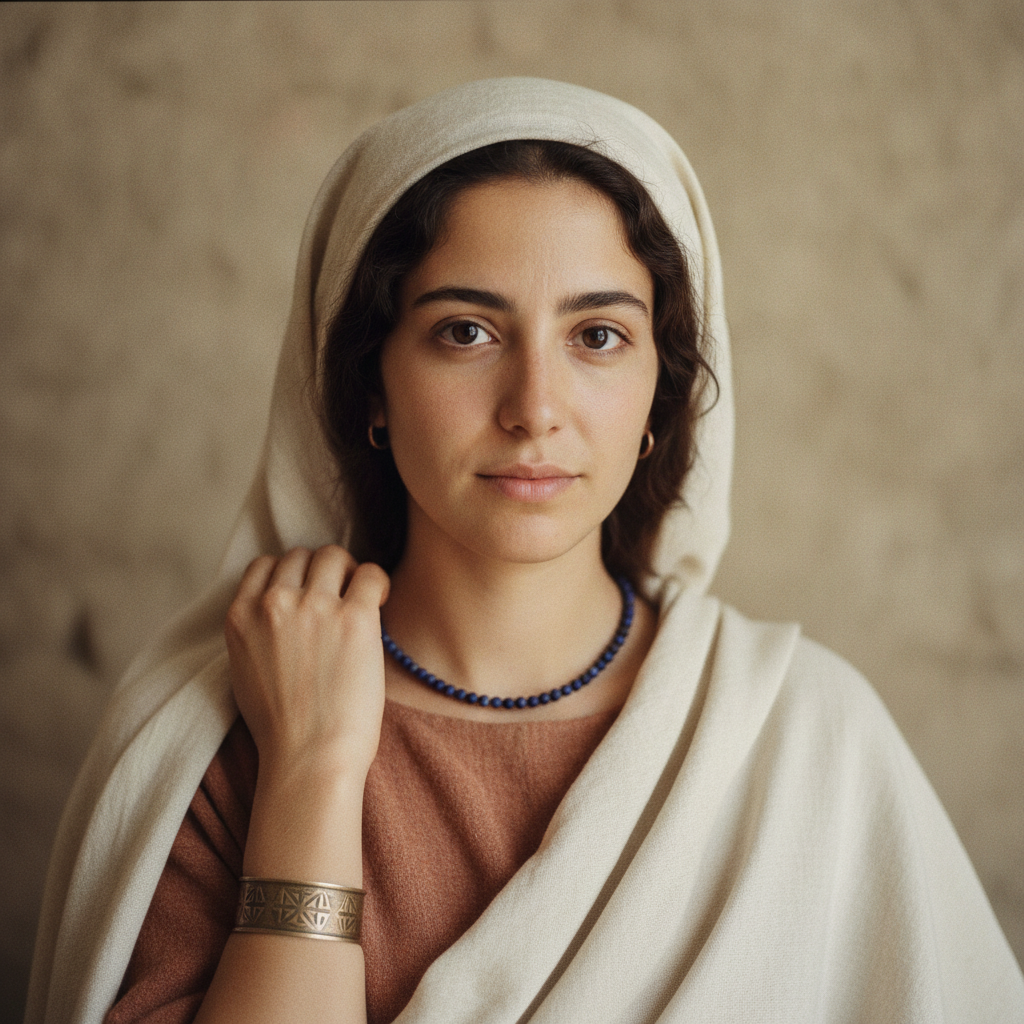
Bathsheba
0–0 · Jerusalem / Kingdom of Judah (Levant)
A Hebrew woman presented in the Bible as notably beautiful; associated with Jerusalem and the Davidic court.
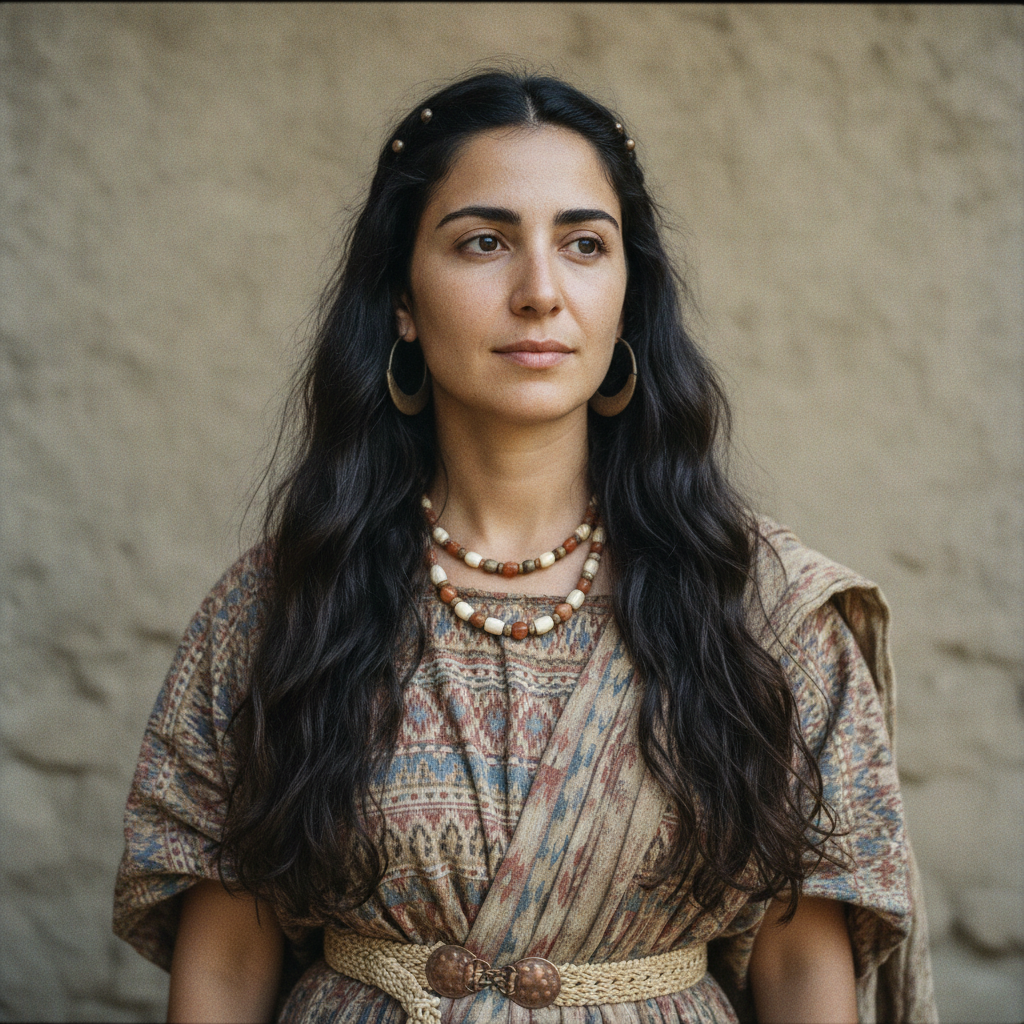
Delilah
0–0 · Philistine territory, southern Levant (Sorek/Shephelah region)
Delilah — the Philistine woman who features in the Samson narrative of Judges 16 — traditionally portrayed as a seductive figure who betrayed Samson.
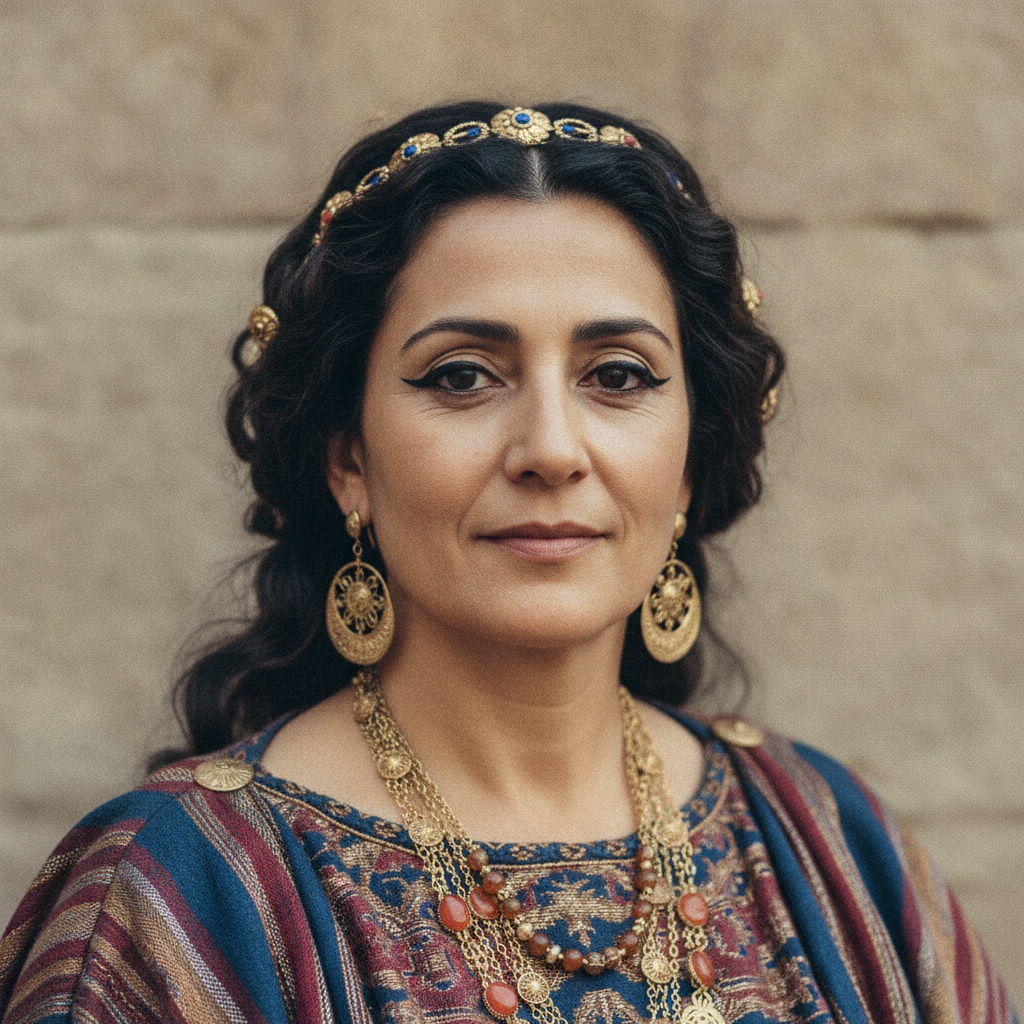
Jezebel
0–0 · Northern Kingdom of Israel / Sidon (Phoenicia)
A Phoenician-born queen of Israel (wife of Ahab) known from the Hebrew Bible for promoting Baal worship and for her Sidonian royal origin.
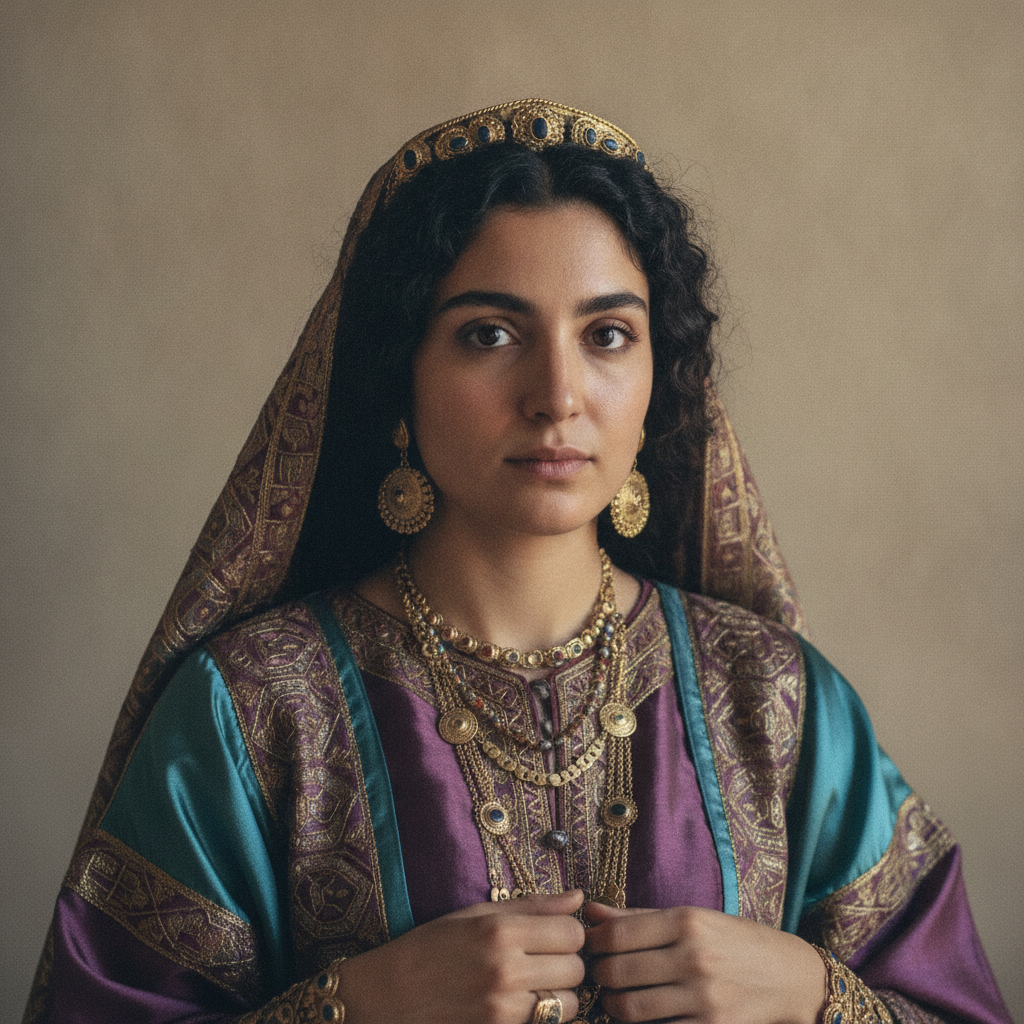
Esther
0–0 · Achaemenid Persia (Susa / Shushan court)
Esther was a Jewish woman who became queen of the Achaemenid king Ahasuerus (traditionally identified with Xerxes I) and is the central figure of the Book of Esther.
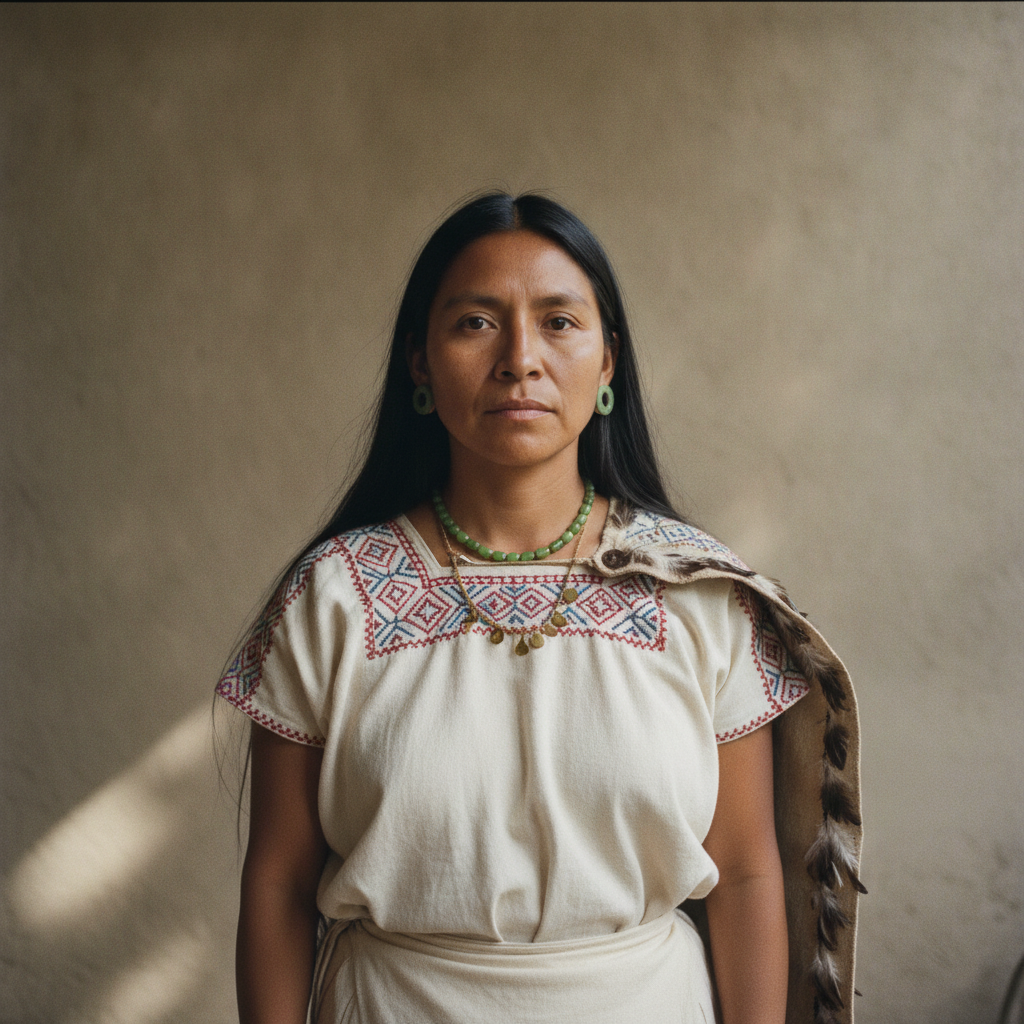
La Malinche
1496–1529 · Gulf Coast of Mexico (present-day Veracruz) and central Mexico (Tenochtitlán/ Mexico City)
Malintzin (La Malinche, Doña Marina) was a Nahuatl-speaking Indigenous woman who served as interpreter, advisor, and cultural intermediary for Hernán Cortés during the Spanish conquest of the Aztec Empire.