Archive
All faces
A complete index of historical figures currently available in the archive.
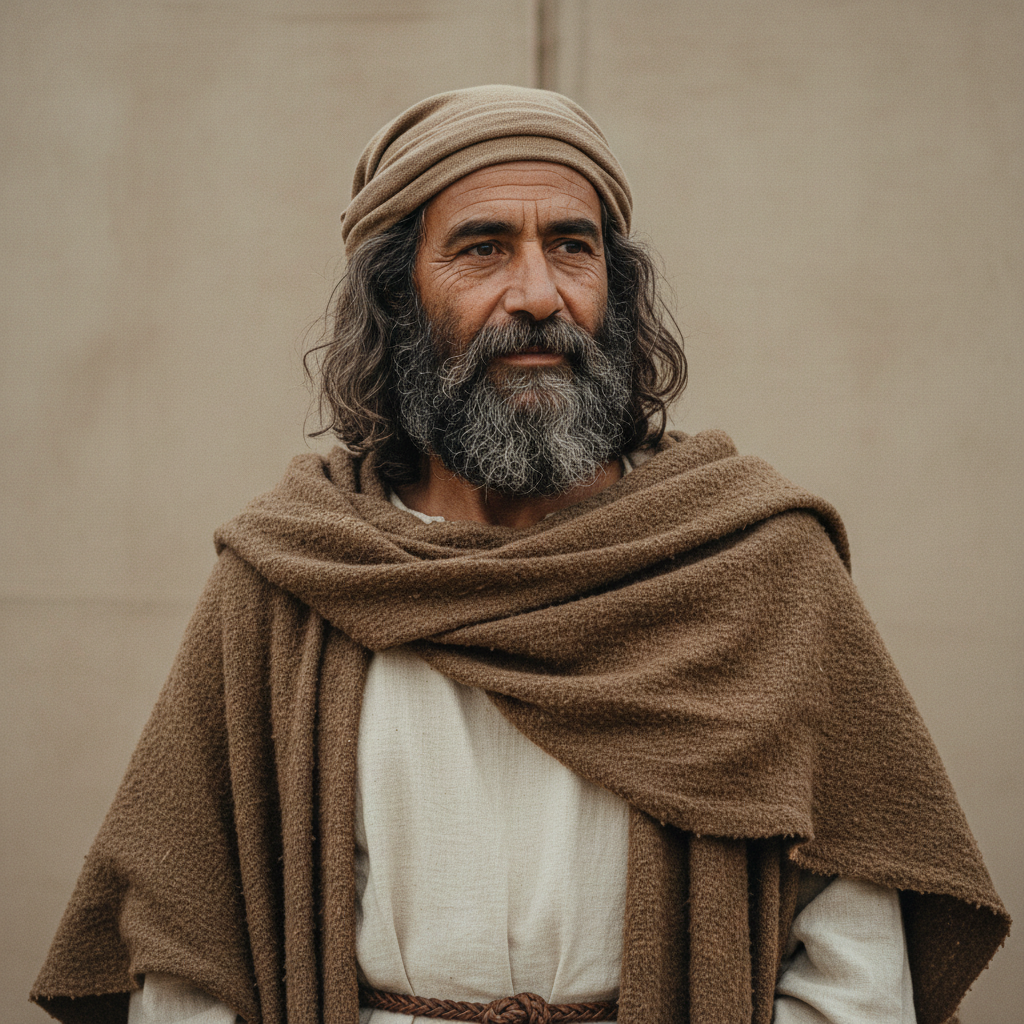
Abraham
0–0 · Levant / Mesopotamia (ancient Near East)
The biblical patriarch Abraham, a foundational figure in Jewish, Christian, and Islamic traditions and traditionally portrayed as a wandering herdsman and clan leader.
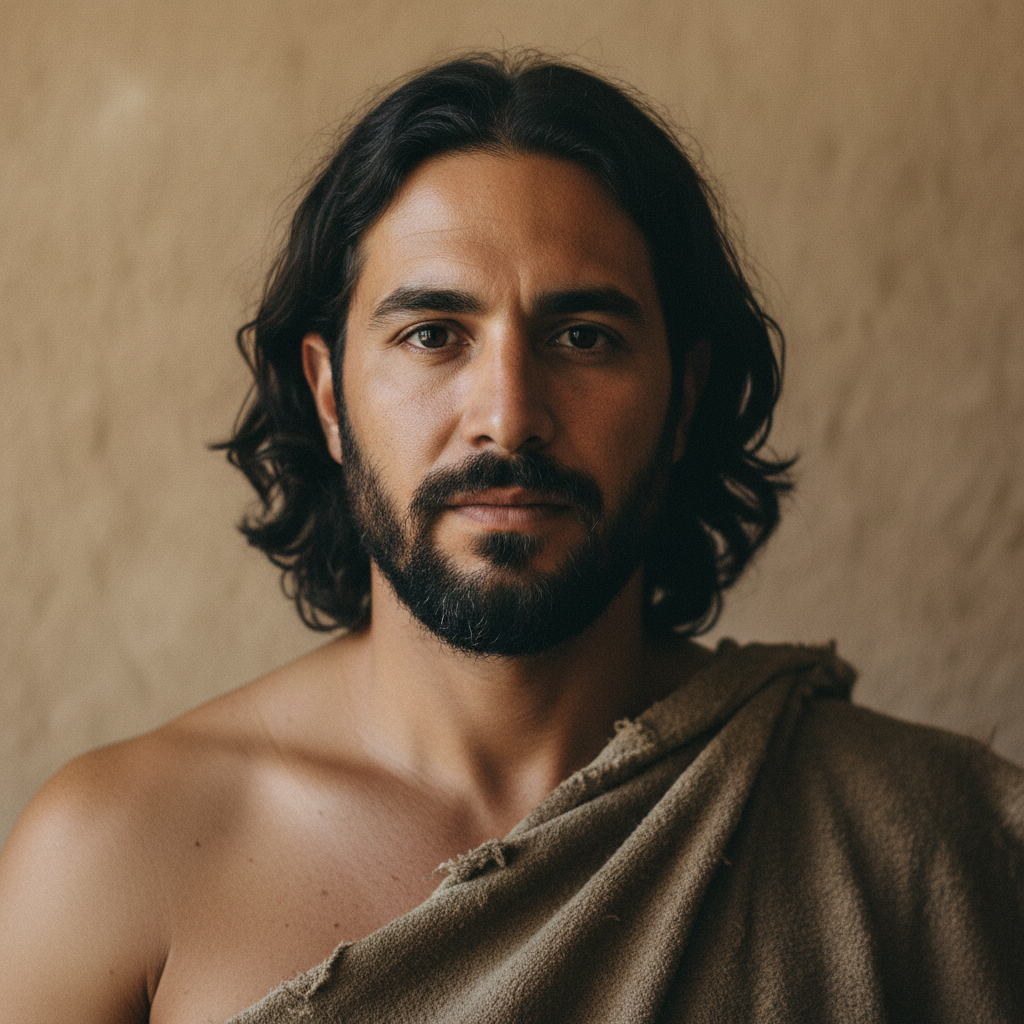
Adam
0–0 · Ancient Near East (Levant)
The biblical Adam: the archetypal first human described in Genesis and later Jewish, Christian, and Islamic traditions.
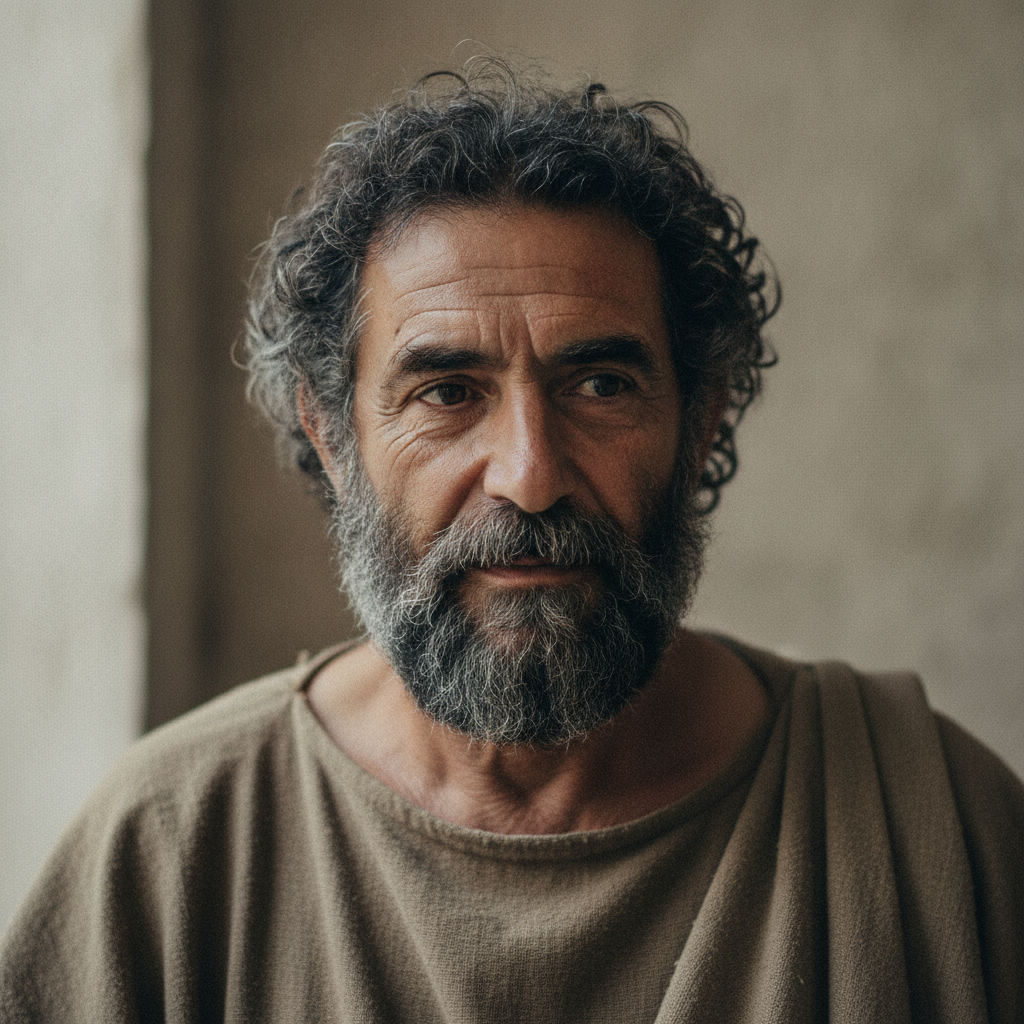
Aesop
0–0 · Traditionally Phrygia / Thrace / Ionia (Greek world of Anatolia / Black Sea fringe)
Legendary ancient Greek storyteller credited with composing and collecting fables that bear his name.
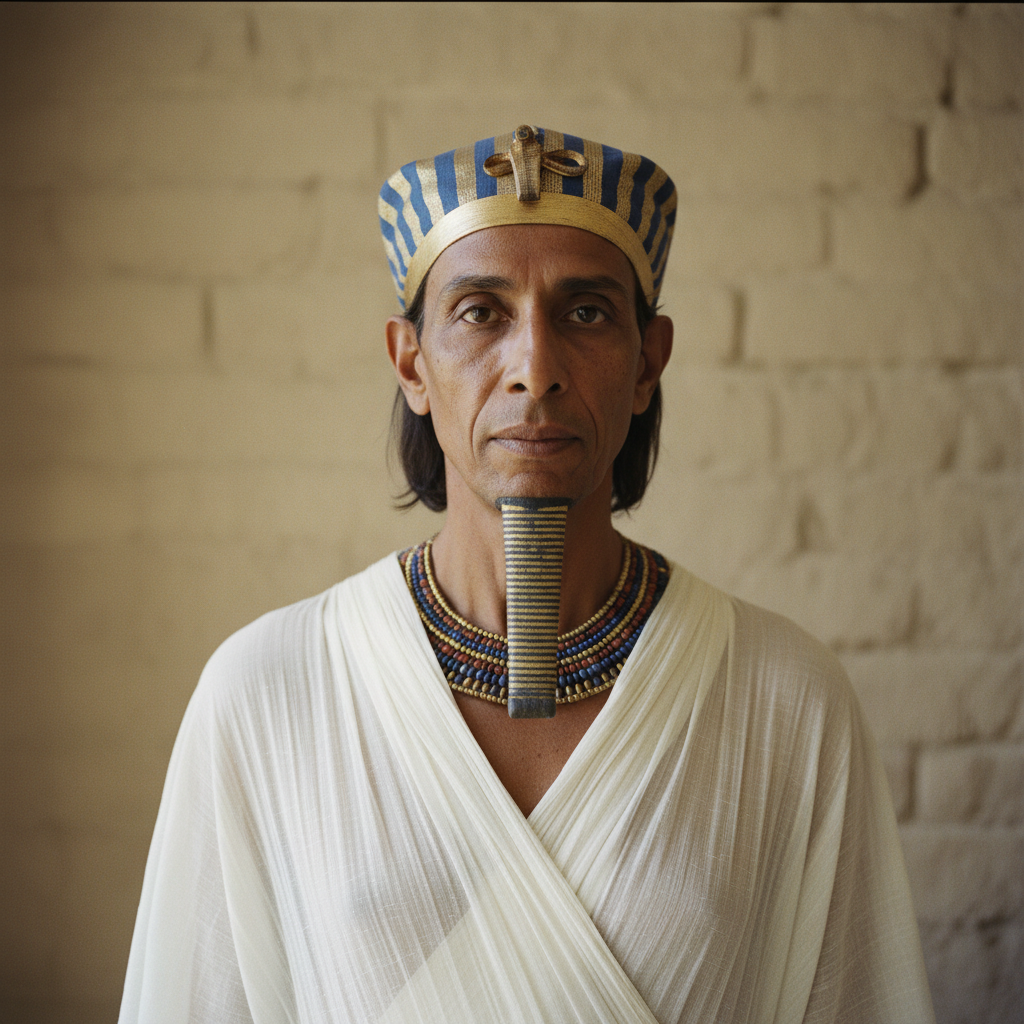
Akhenaten
1380 BCE–1336 BCE · Ancient Egypt (Amarna, 18th Dynasty)
Akhenaten was the 18th‑Dynasty Egyptian pharaoh who founded the Amarna period and promoted the Aten cult.
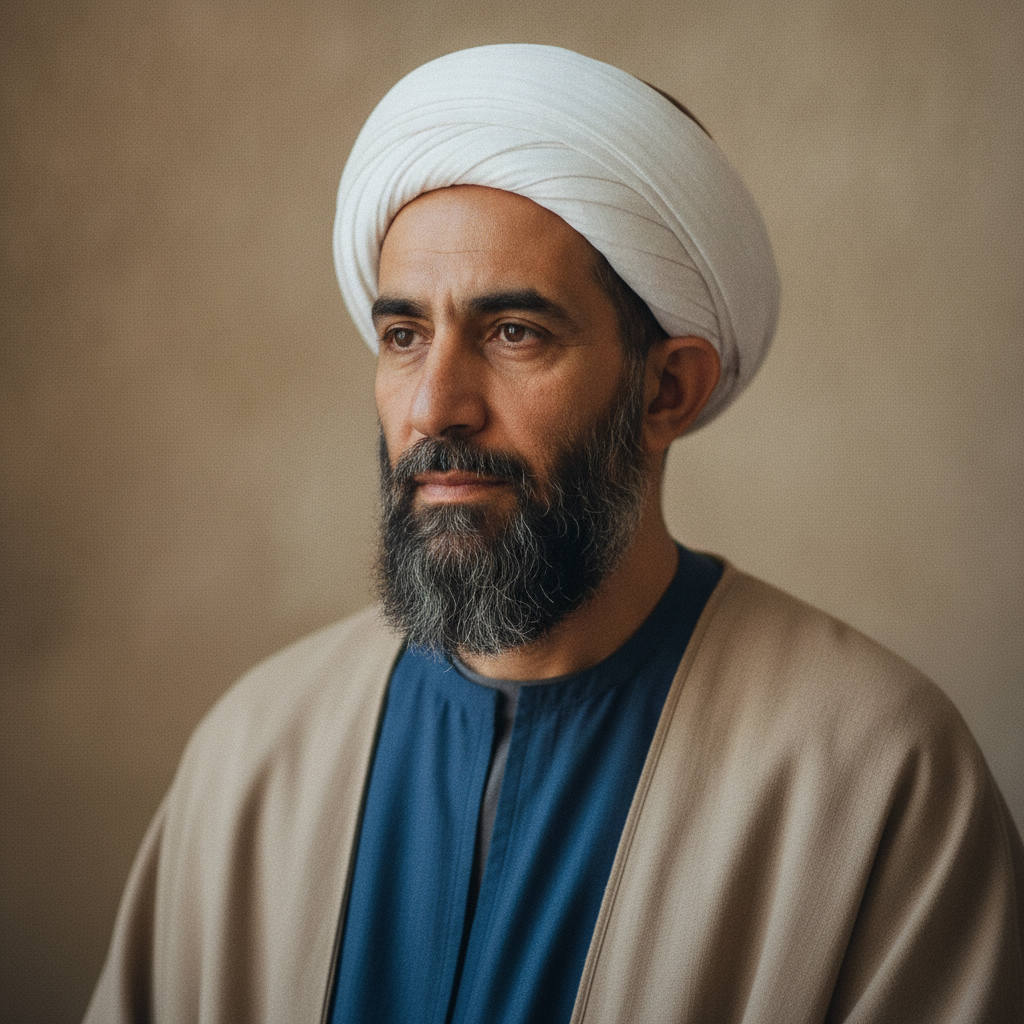
Al-Khwarizmi
780–850 · Khwarezm (born); active in Baghdad, Abbasid Caliphate
Abu Ja'far Muhammad ibn Musa al-Khwarizmi, a 9th-century Persian polymath from Khwarezm, author of foundational works in algebra and astronomy.
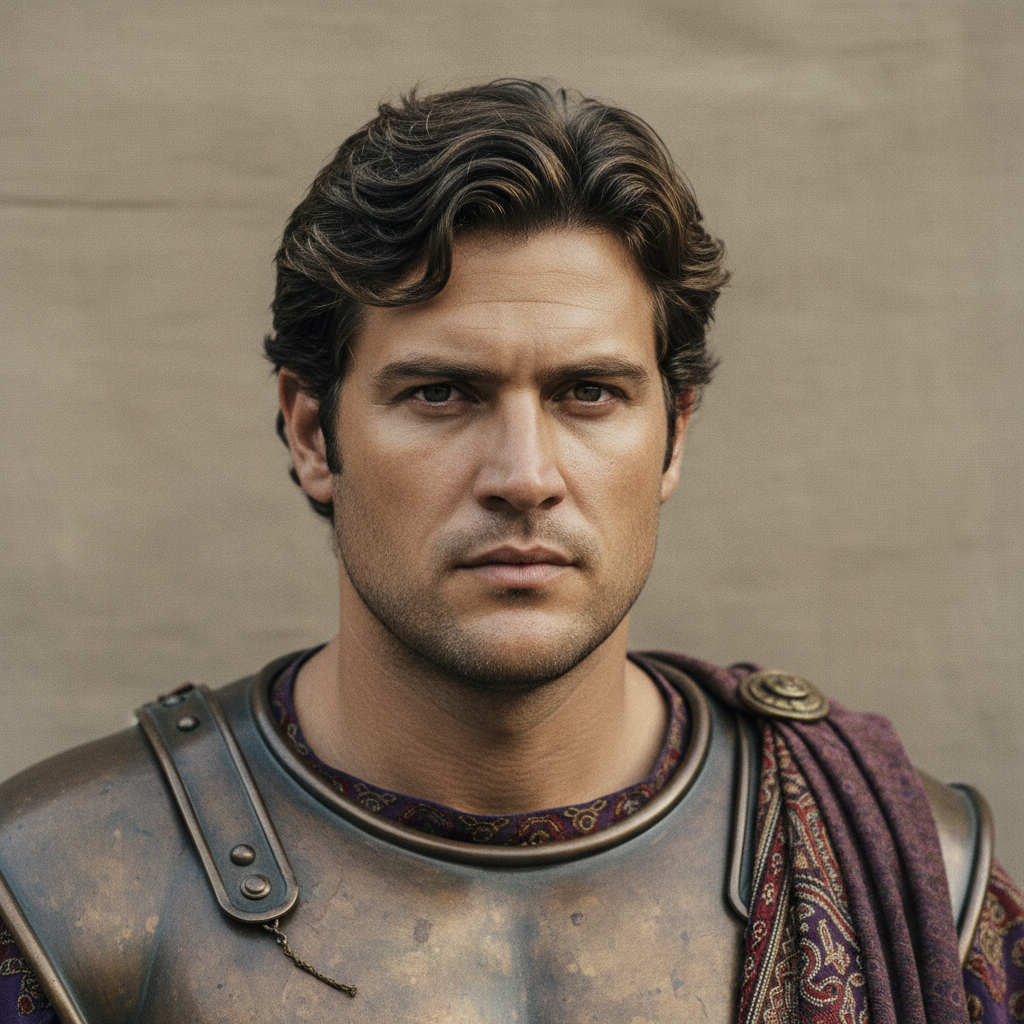
Alexander the Great
356–323 · Macedon (northern Greece)
Macedonian king who created one of the largest empires of the ancient world and whose image became a Hellenistic standard.
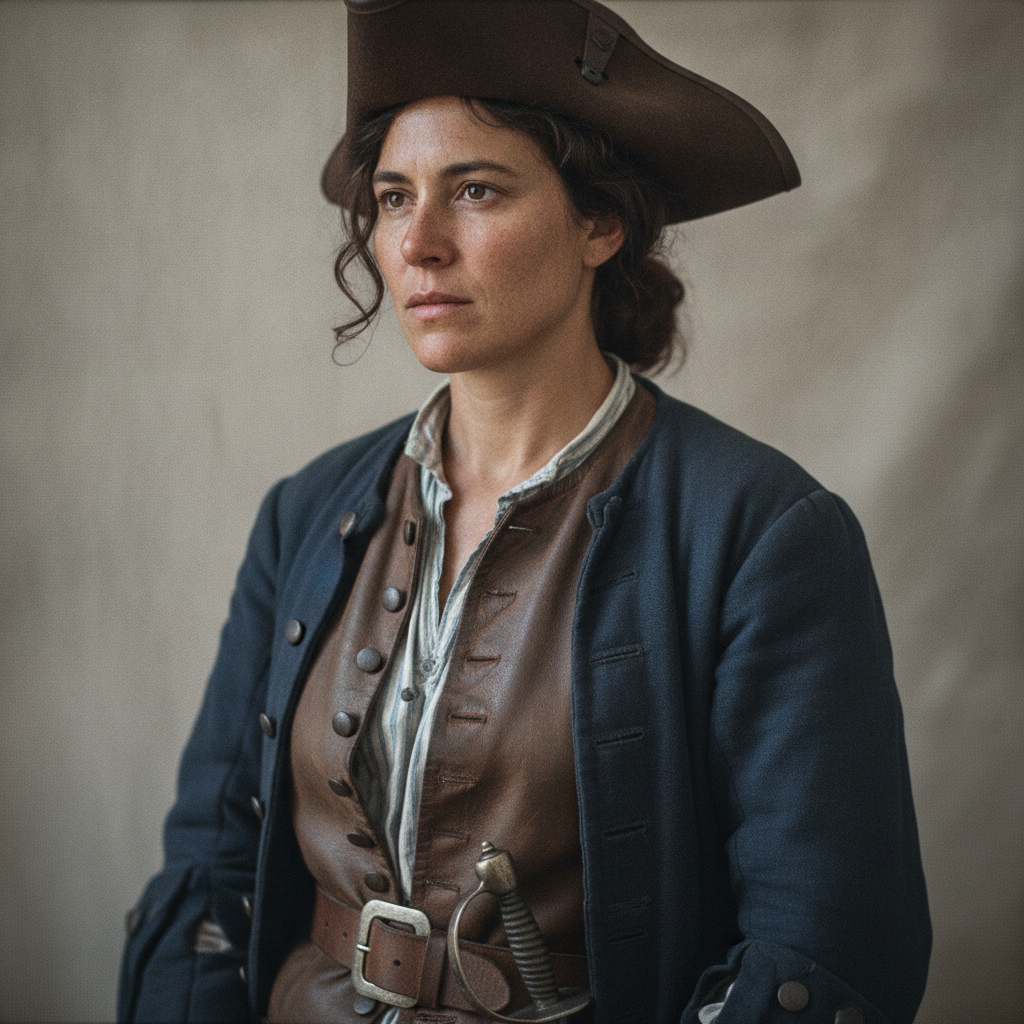
Anne Bonny
1697–1720 · Born in County Cork, Ireland; active in the Caribbean
Irish-born pirate active in the Caribbean around 1718–1720, famous for sailing with 'Calico Jack' Rackham and for fighting while disguised in men's clothing.
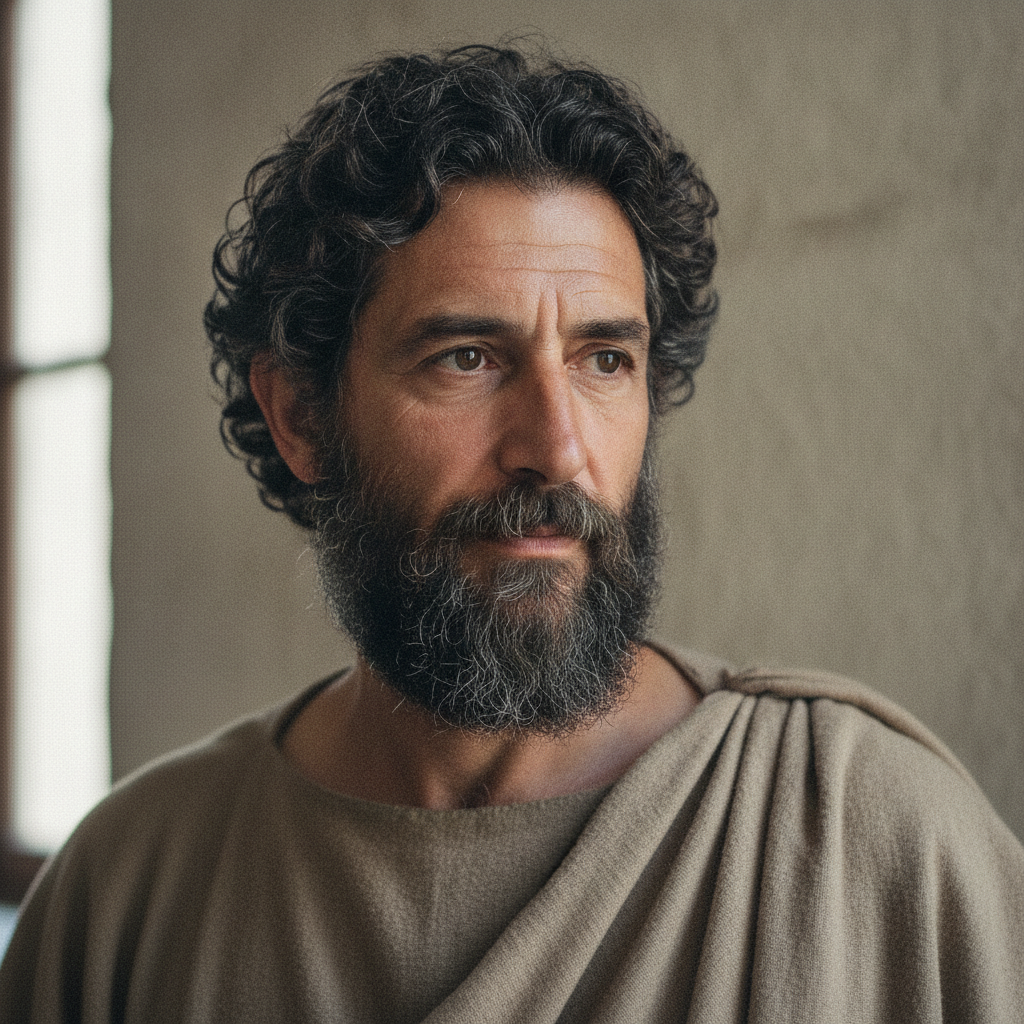
Archimedes
287 BCE–212 BCE · Syracuse, Sicily (Greek world)
Archimedes of Syracuse, the Hellenistic mathematician and inventor famed for work in geometry, hydrostatics and mechanics.
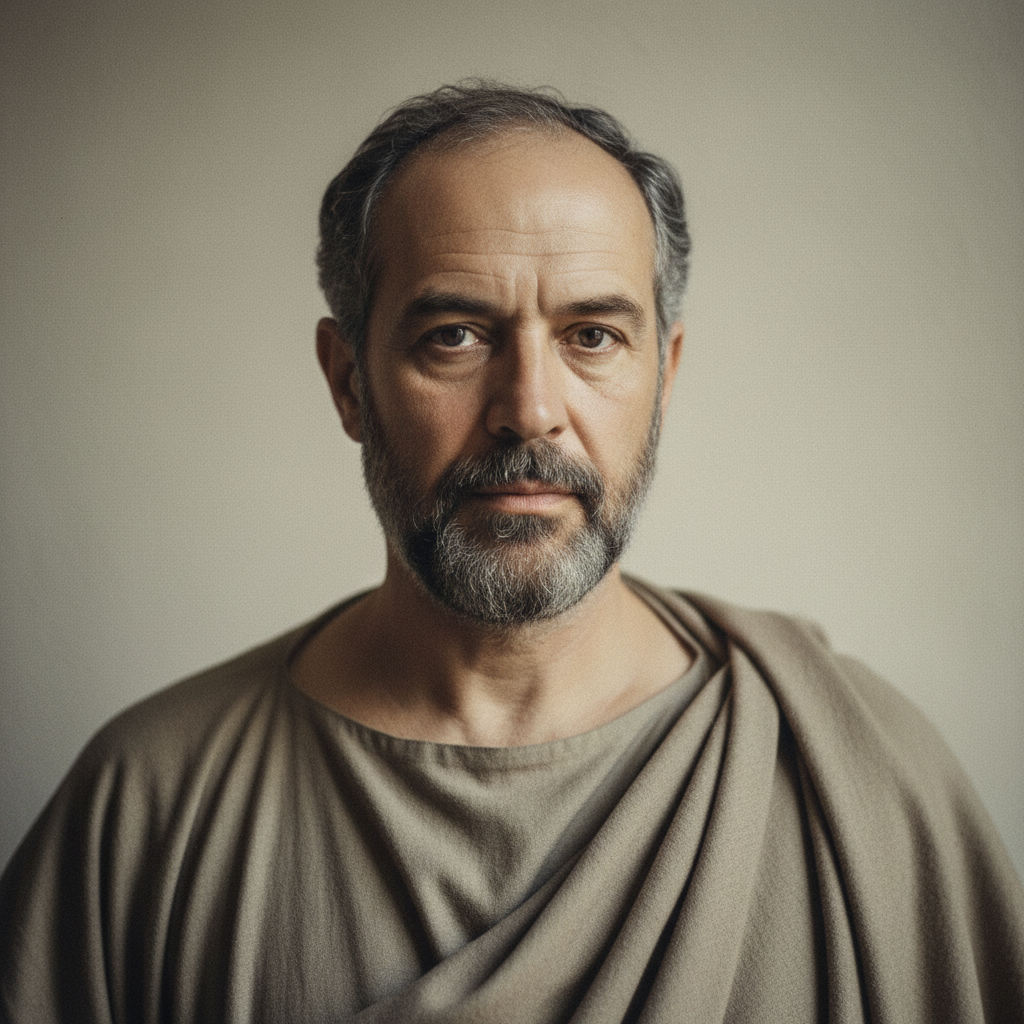
Aristotle
384 BCE–322 BCE · Stagira (Macedonia) — active in Athens
Ancient Greek philosopher from Stagira whose writings shaped Western science and philosophy.
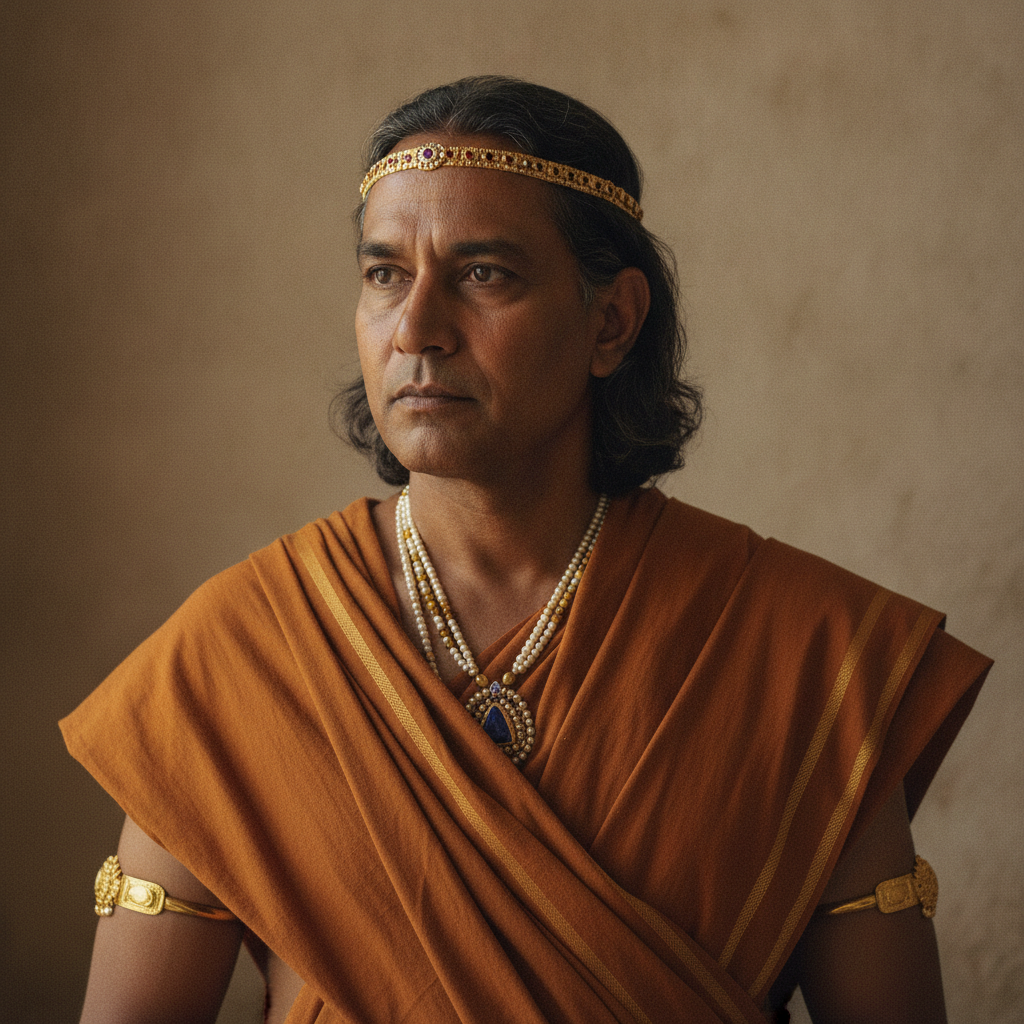
Ashoka
304 BCE–232 BCE · Magadha (northern Indian subcontinent)
Ashoka the Great, third Mauryan emperor who ruled much of the Indian subcontinent and later became a major patron of Buddhism.
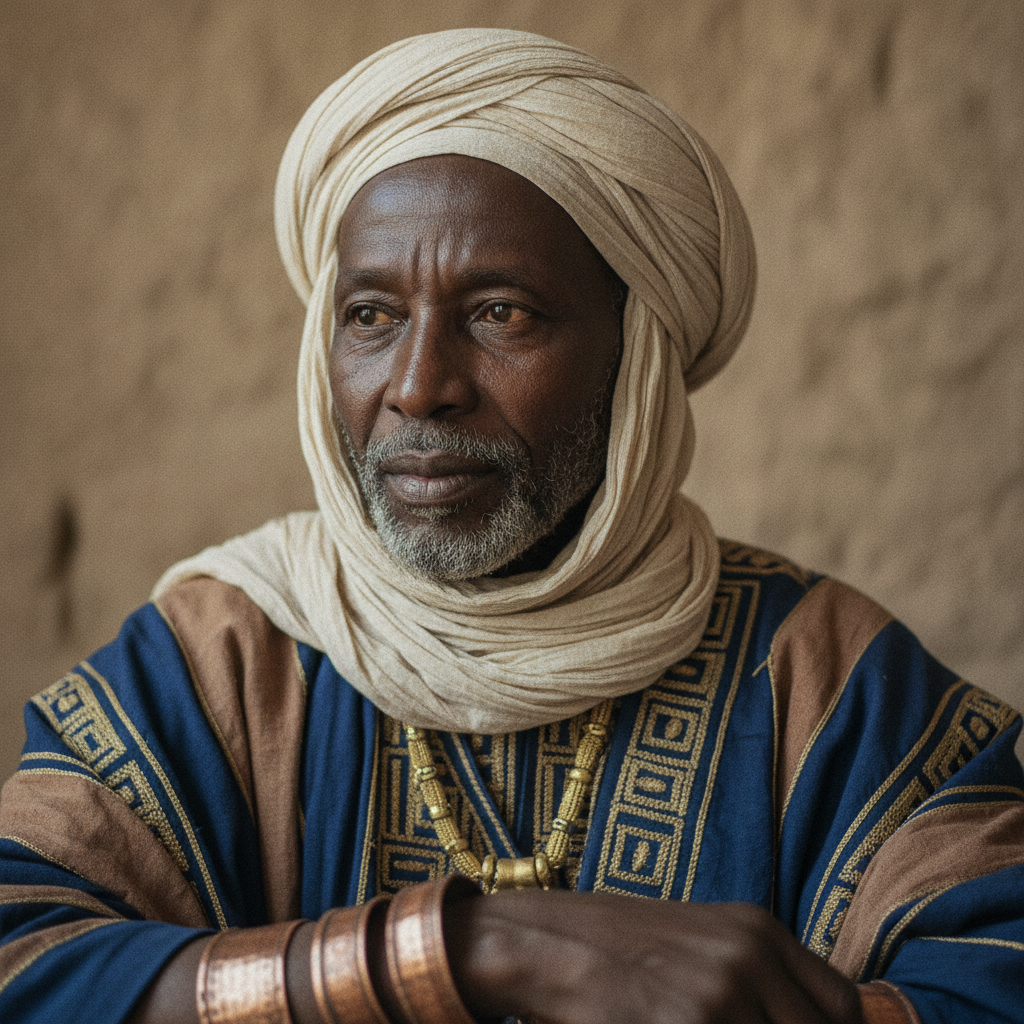
Askia Muhammad I
0–0 · Songhai Empire (West Africa, Sahel)
Askia Muhammad I (Askia the Great) was the late-15th/early-16th-century emperor who expanded and Islamized the Songhai Empire.
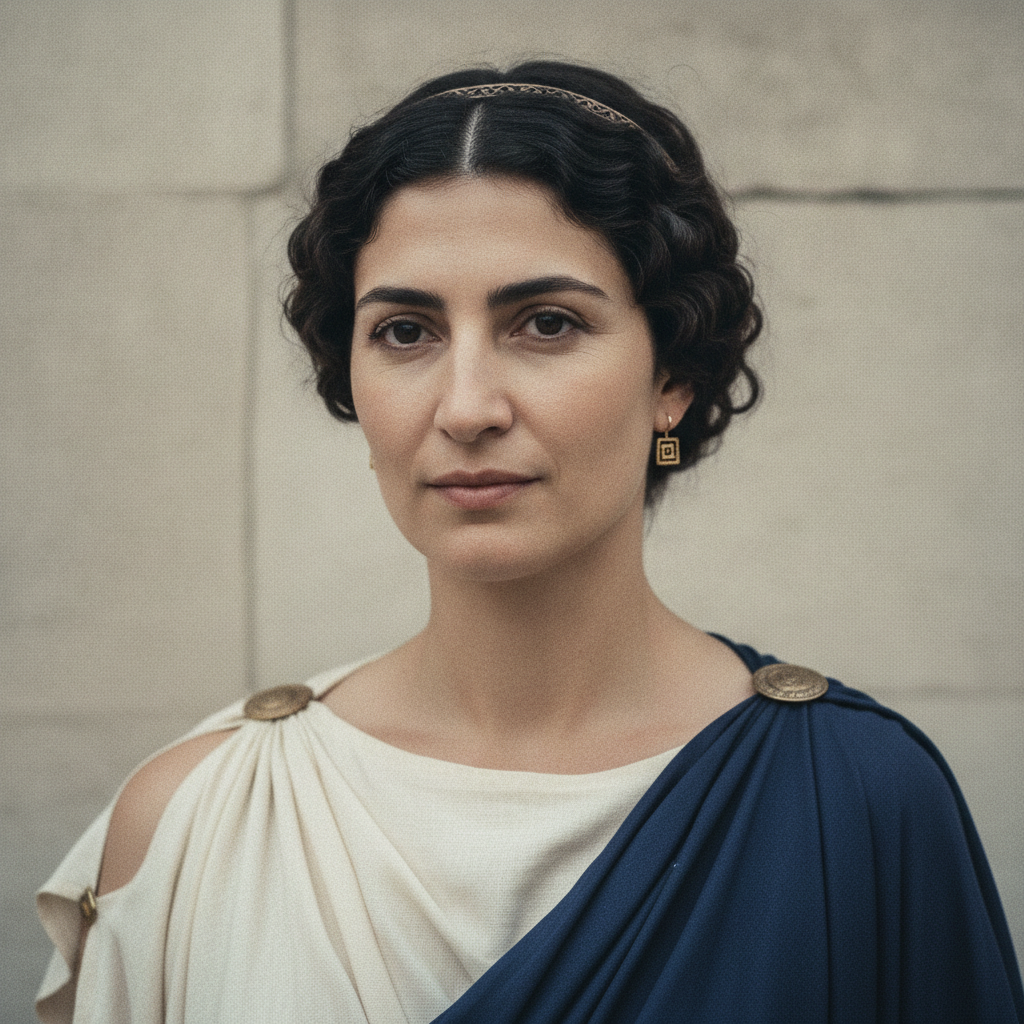
Aspasia
0–0 · Miletus (Ionian Anatolia); active in Athens
Aspasia of Miletus — a prominent 5th‑century BCE hetaera and intellectual in Athens, famous as Pericles’ partner and a salon figure.
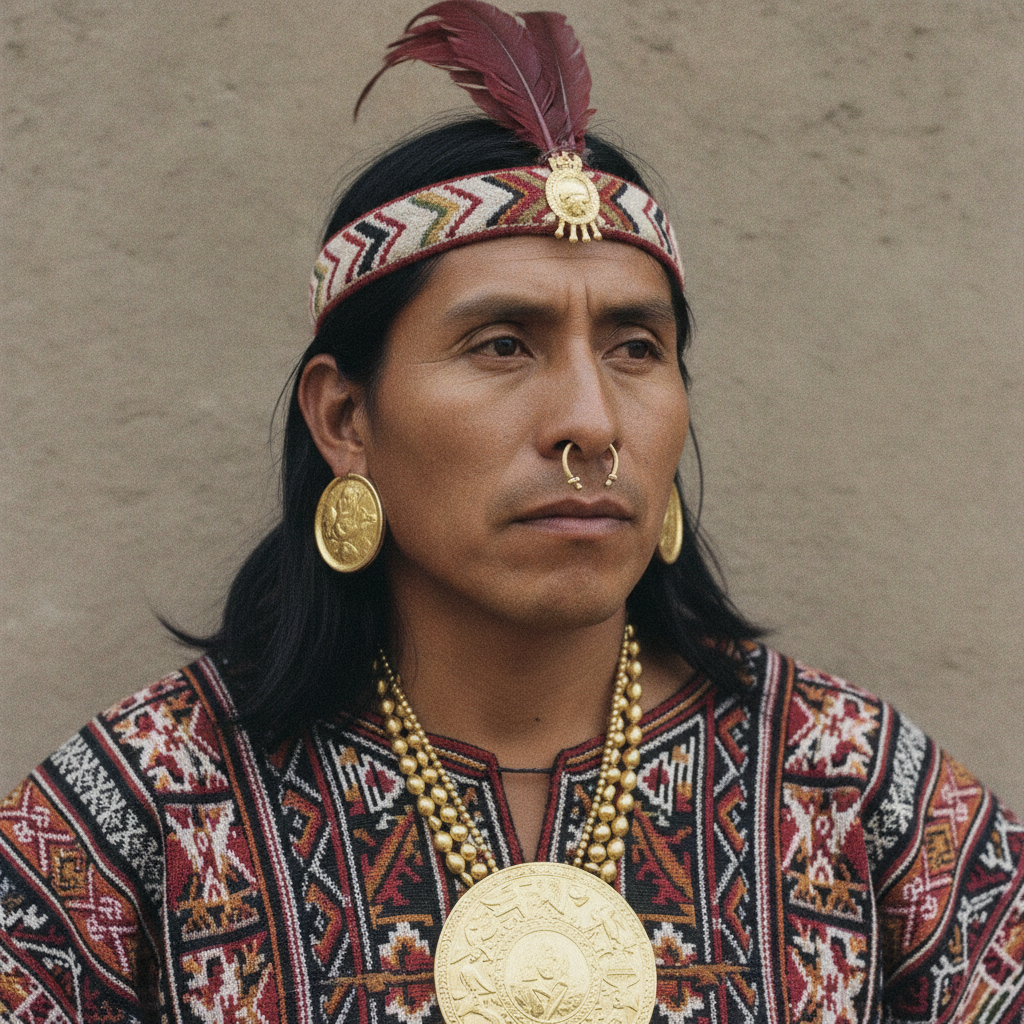
Atahualpa
1502–1533 · Tawantinsuyu (Inca Empire; modern Ecuador / Peru)
Atahualpa was the last independent Sapa Inca of the northern Inca realm, captured by the Spanish and executed in 1533.
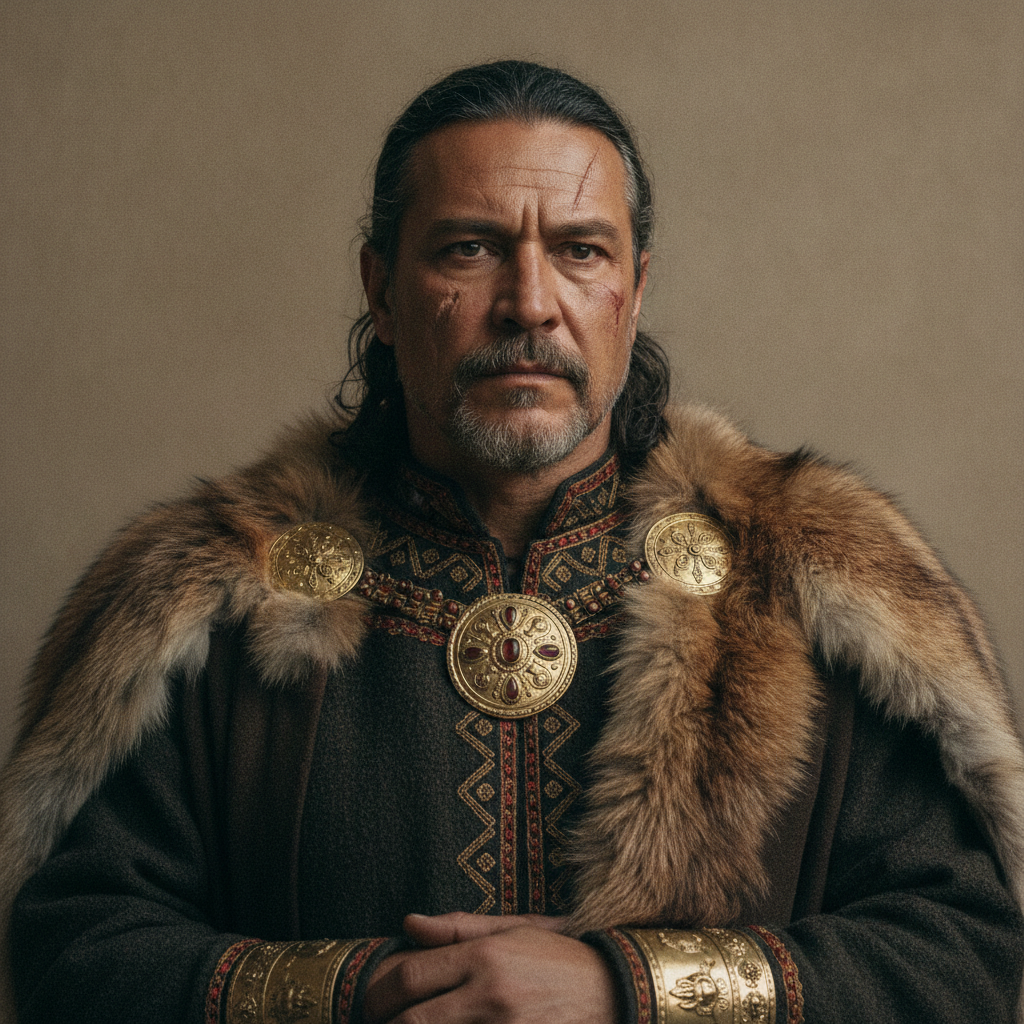
Attila the Hun
0–0 · Eurasian Steppe / Pannonian Basin (central-eastern Europe)
Leader of the Hunnic confederation who invaded Roman territories and negotiated with Constantinople in the mid-5th century.
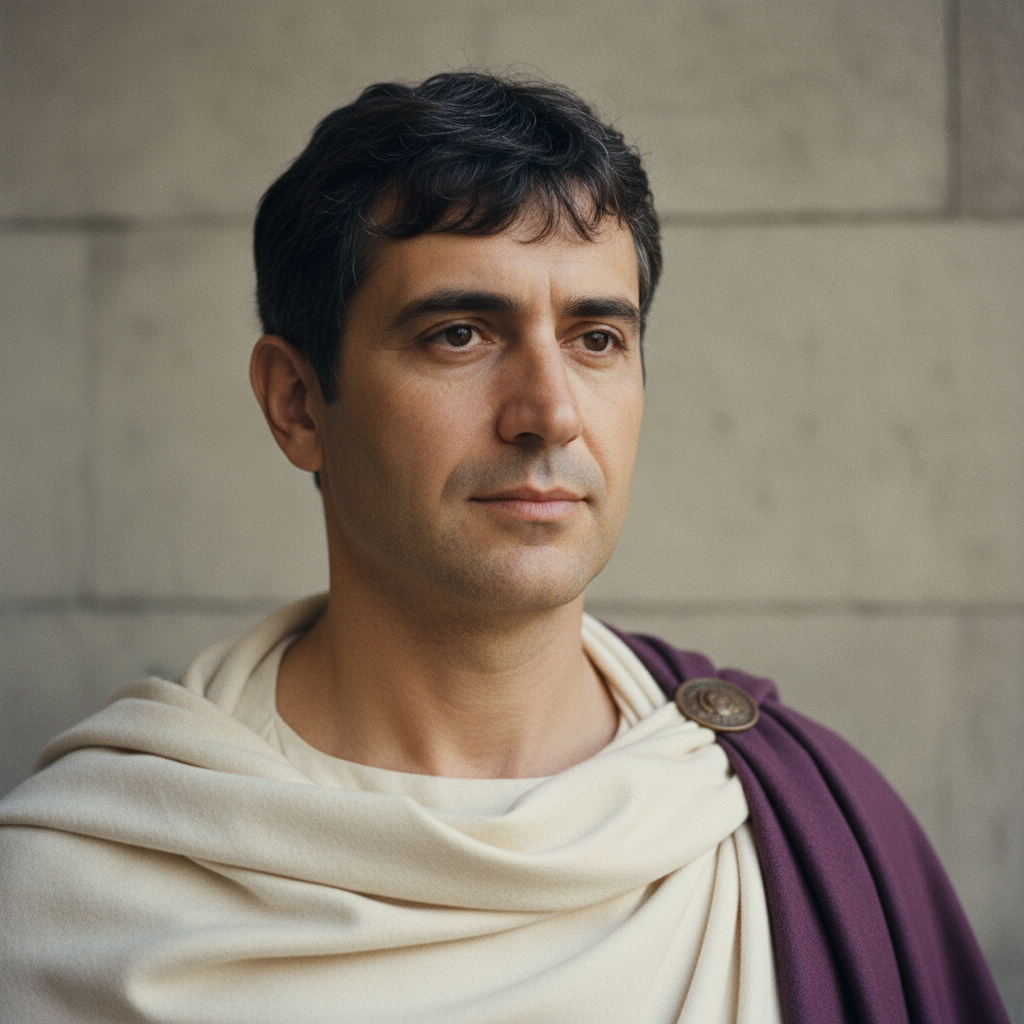
Augustus
63 BCE–14 · Rome / Italian peninsula
Augustus (Gaius Octavius) was Rome's first emperor who established the principate and carefully controlled his public image.
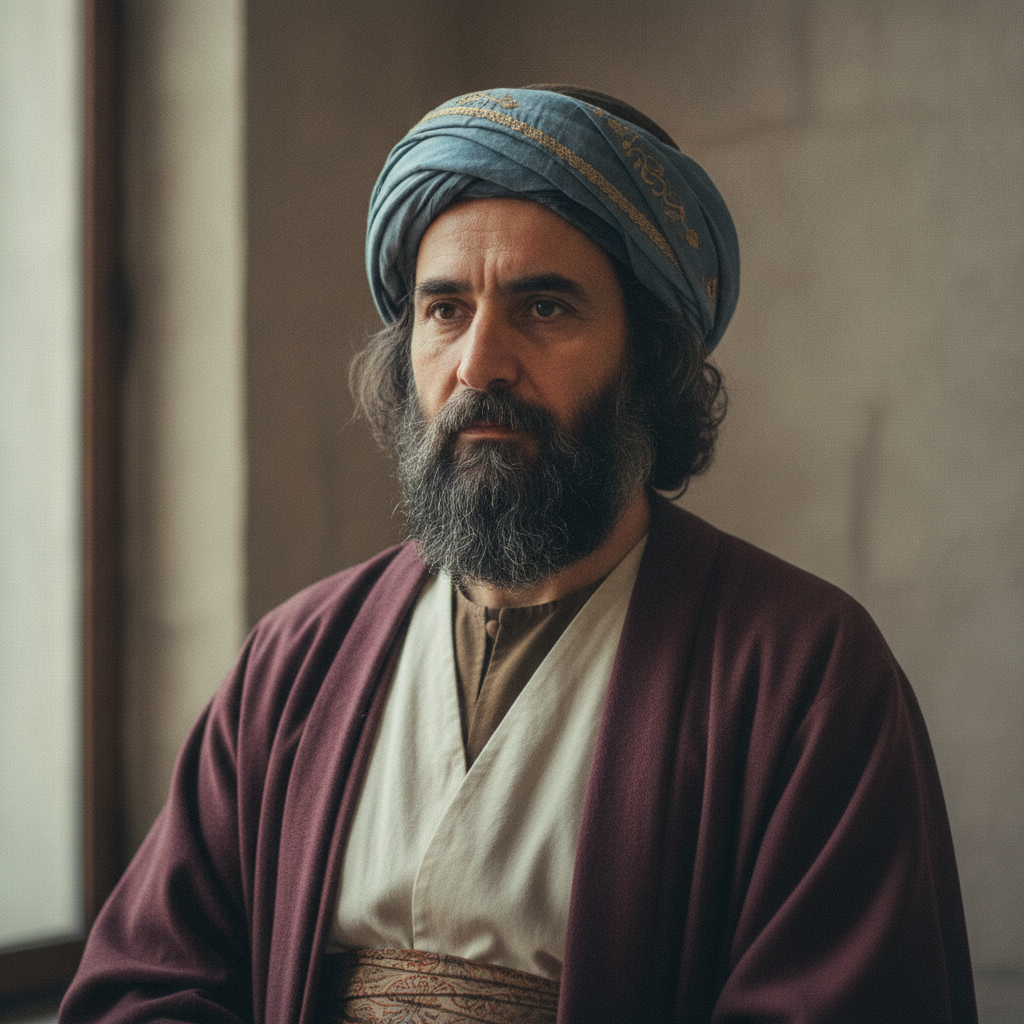
Avicenna
980–1037 · Persia (born near Bukhara; active in Khurasan, Isfahan, Hamadan)
Avicenna (Ibn Sīnā) was an 11th‑century Persian physician and philosopher whose writings shaped Islamic and European medicine and philosophy.
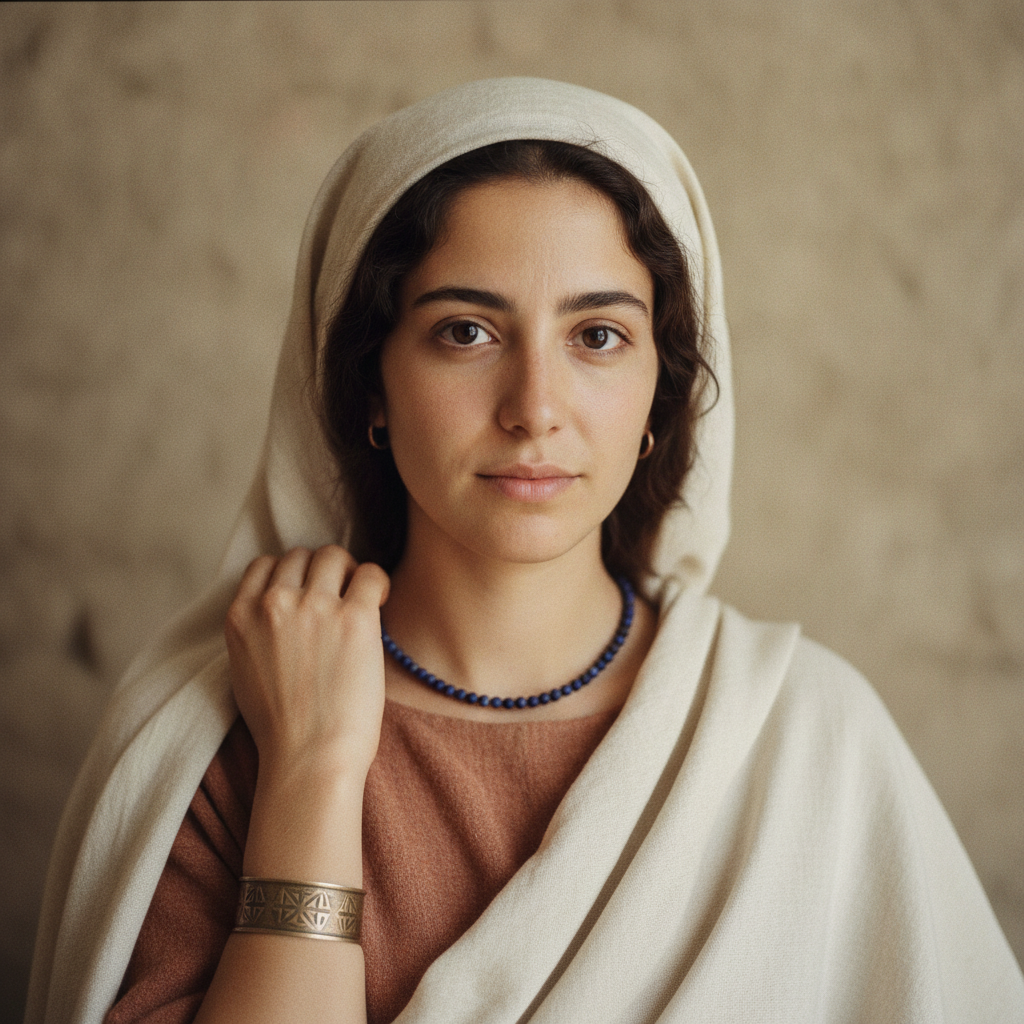
Bathsheba
0–0 · Jerusalem / Kingdom of Judah (Levant)
A Hebrew woman presented in the Bible as notably beautiful; associated with Jerusalem and the Davidic court.
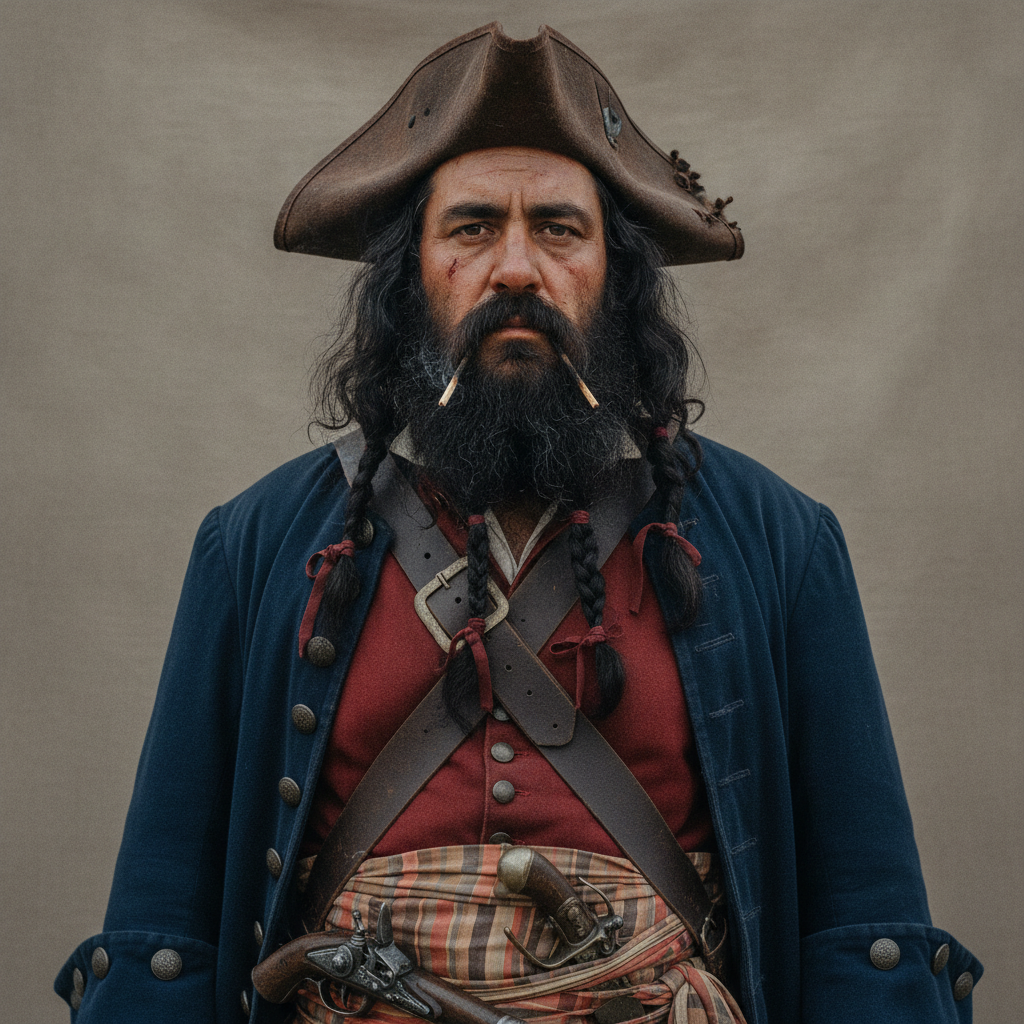
Blackbeard
1680–1718 · English Caribbean and American eastern seaboard
Edward 'Blackbeard' Teach (Thatch) was a notorious English pirate who operated in the Caribbean and along the North American Atlantic coast and was famed for his fearsome appearance and tactics.
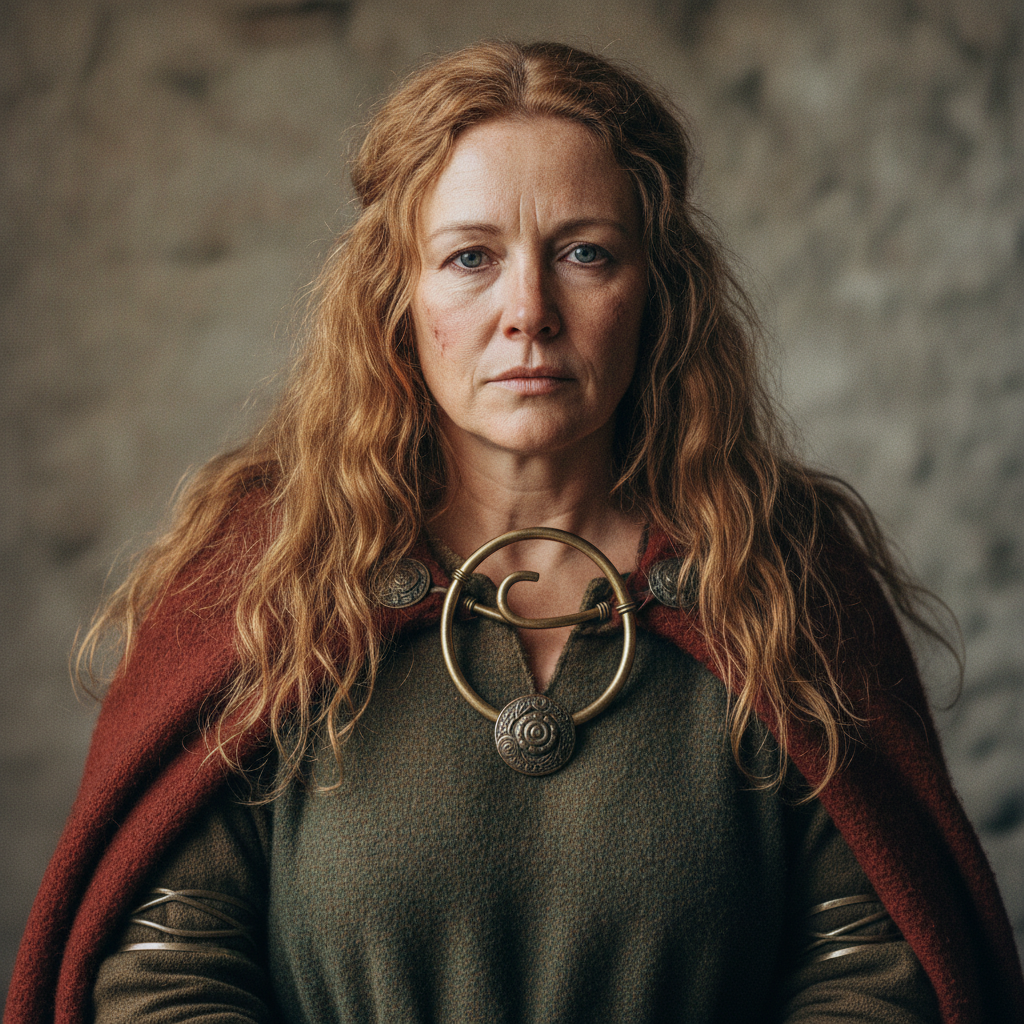
Boudica
0–0 · Iceni (East Anglia), Roman Britain
Boudica was the queen of the Iceni who led a major uprising against Roman rule in Britain around 60–61 CE.
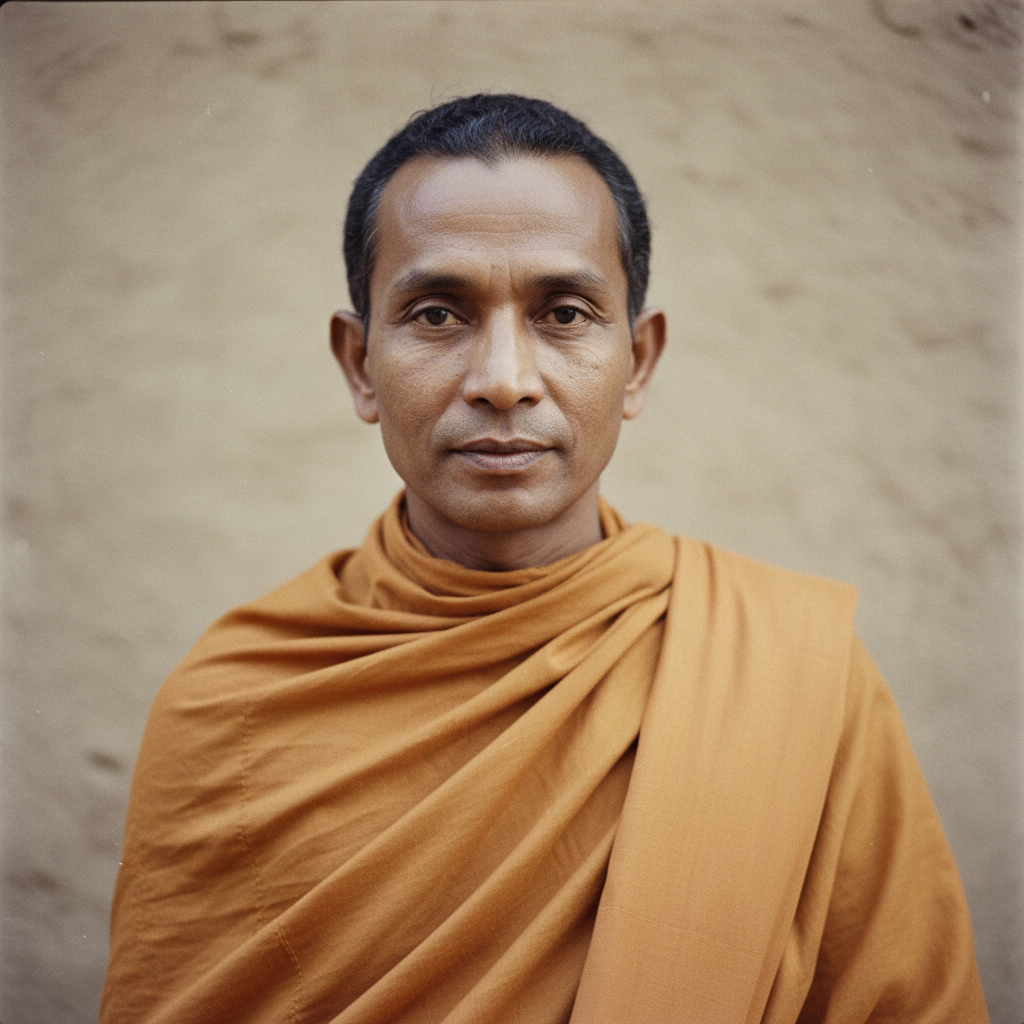
Buddha
563–483 · Lumbini / Kosala–Shakya region (modern Nepal / northern India)
Siddhartha Gautama — a North-Indian prince who became the Buddha, teacher and founder of the Buddhist community.
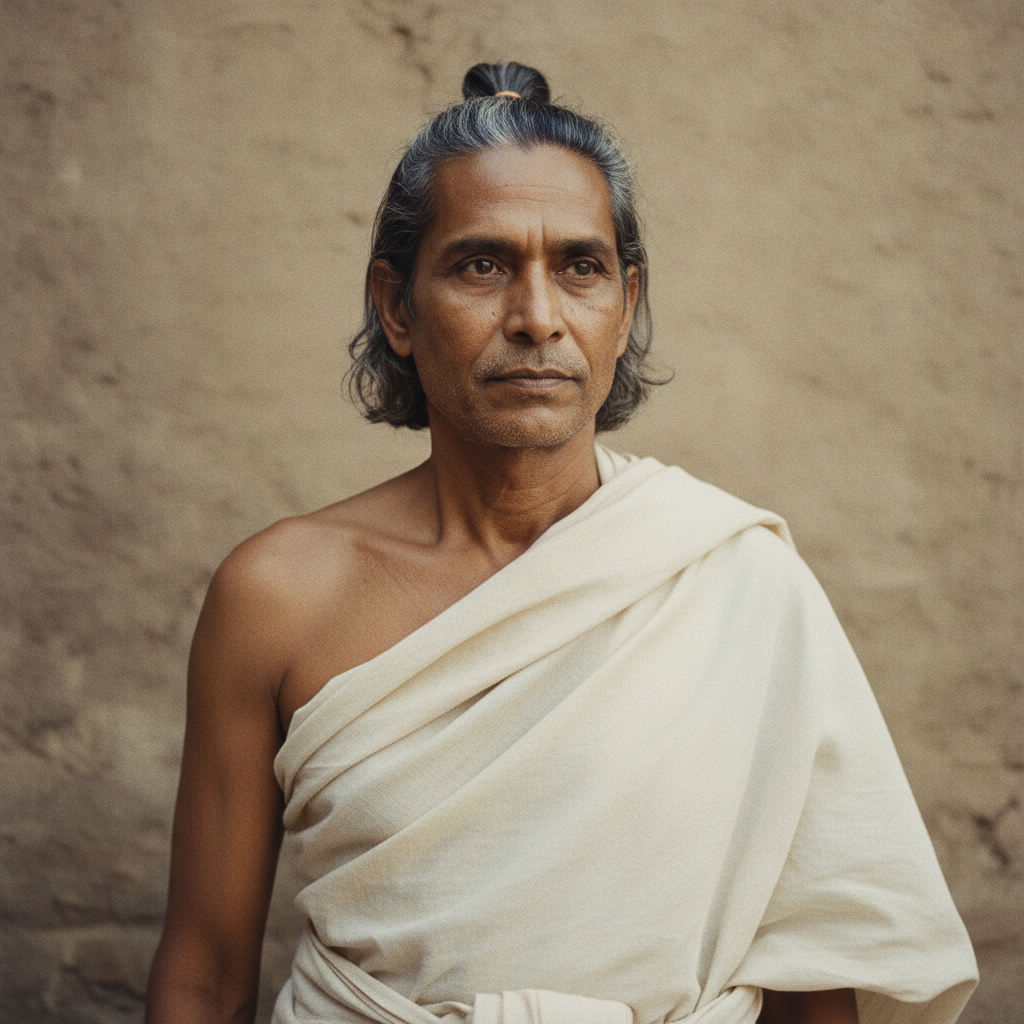
Chanakya
0–0 · Takshashila (Taxila) origin; active in Magadha (northern India / present Pakistan–India border region)
An influential Brahmin scholar and strategist who helped found the Mauryan state and is traditionally credited with the Arthashastra.
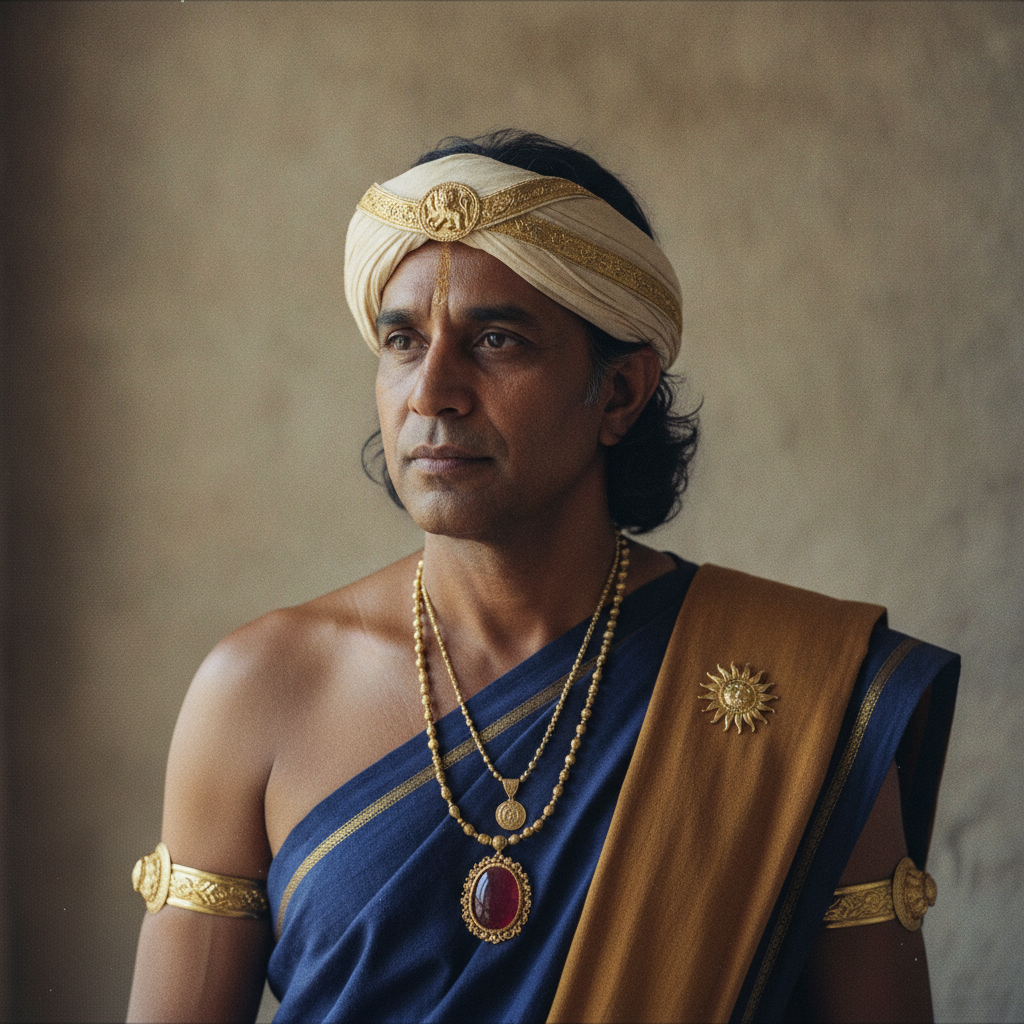
Chandragupta Maurya
340 BCE–297 BCE · Magadha (present-day Bihar, India)
Chandragupta Maurya was the founder of the Maurya Empire who transformed a regional kingdom into a vast imperial state across northern India.
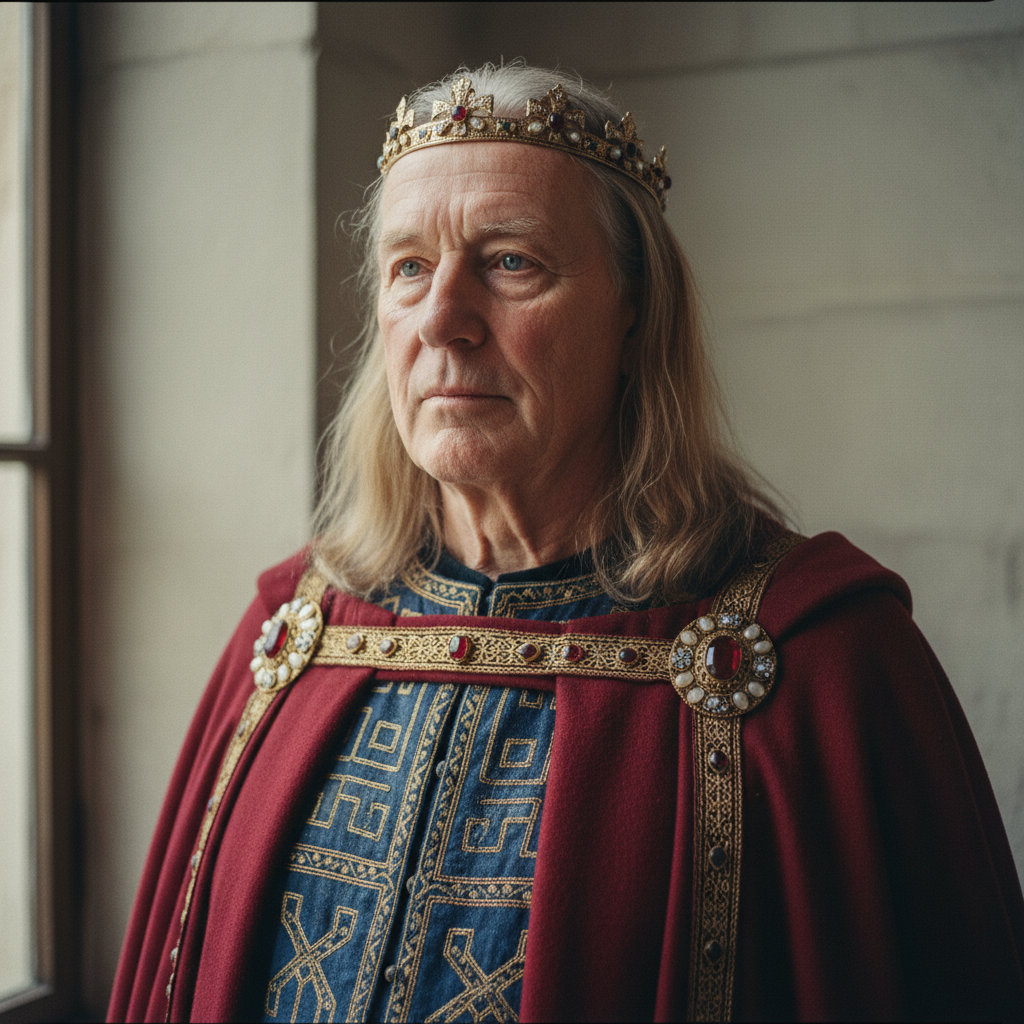
Charlemagne
742–814 · Frankish Kingdom / Western Europe (centered on modern-day France and Germany)
Charlemagne (Charles the Great) was the early medieval Frankish king and first Holy Roman Emperor who united much of Western Europe.
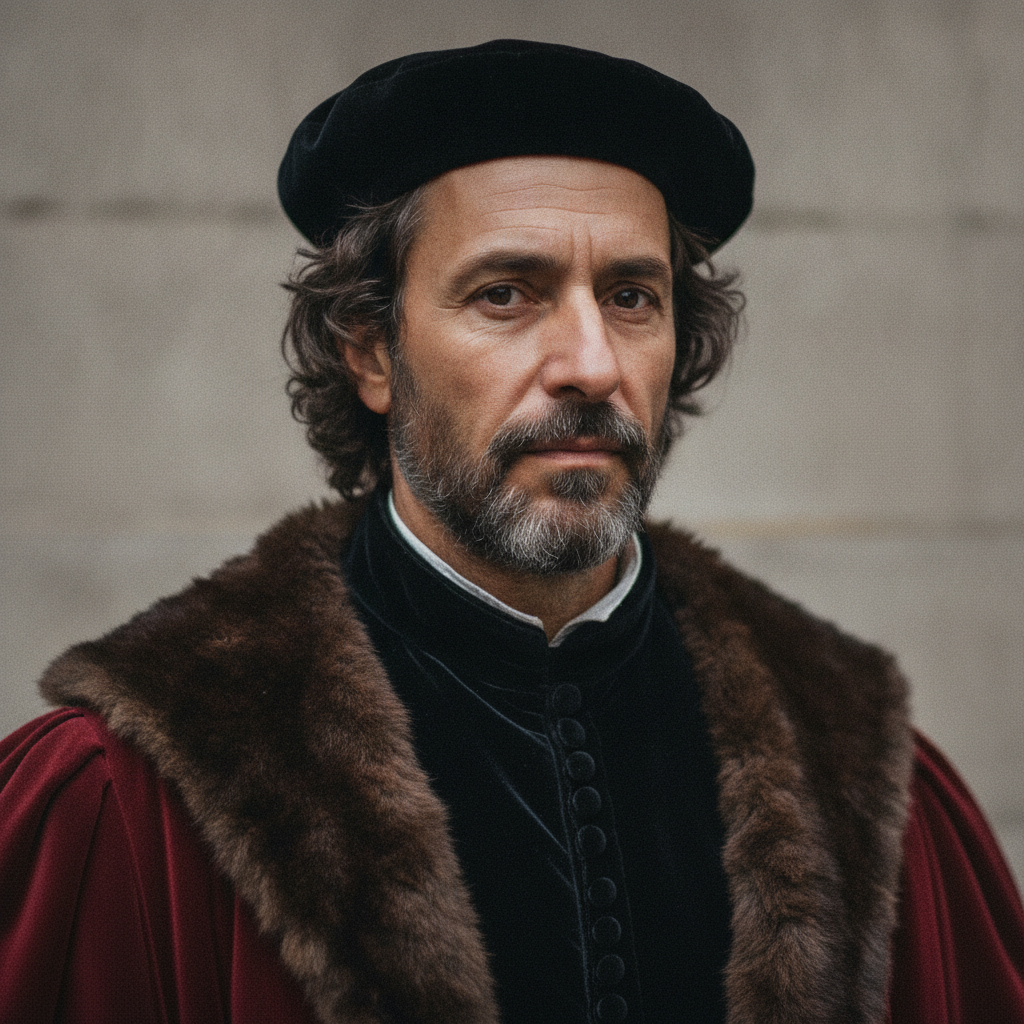
Christopher Columbus
1451–1506 · Genoa (Republic of Genoa); active in Spain and the Atlantic
Italian-born Genoese navigator who led the 1492 transatlantic voyage that opened sustained contact between Europe and the Americas.
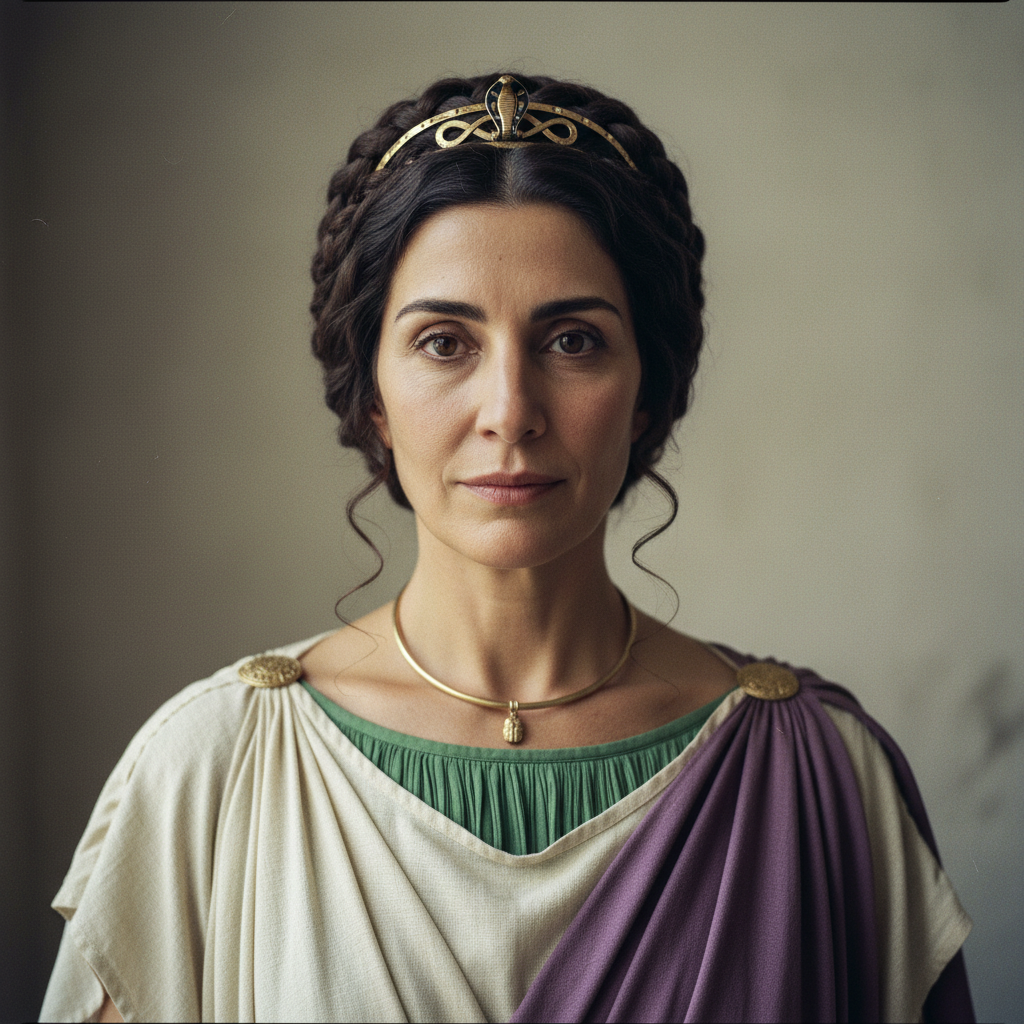
Cleopatra VII
69 BCE–30 BCE · Ptolemaic Egypt (Alexandria)
Cleopatra VII Philopator was the last Ptolemaic queen of Egypt, a Hellenistic monarch famous for her political skill and relationships with Roman leaders.
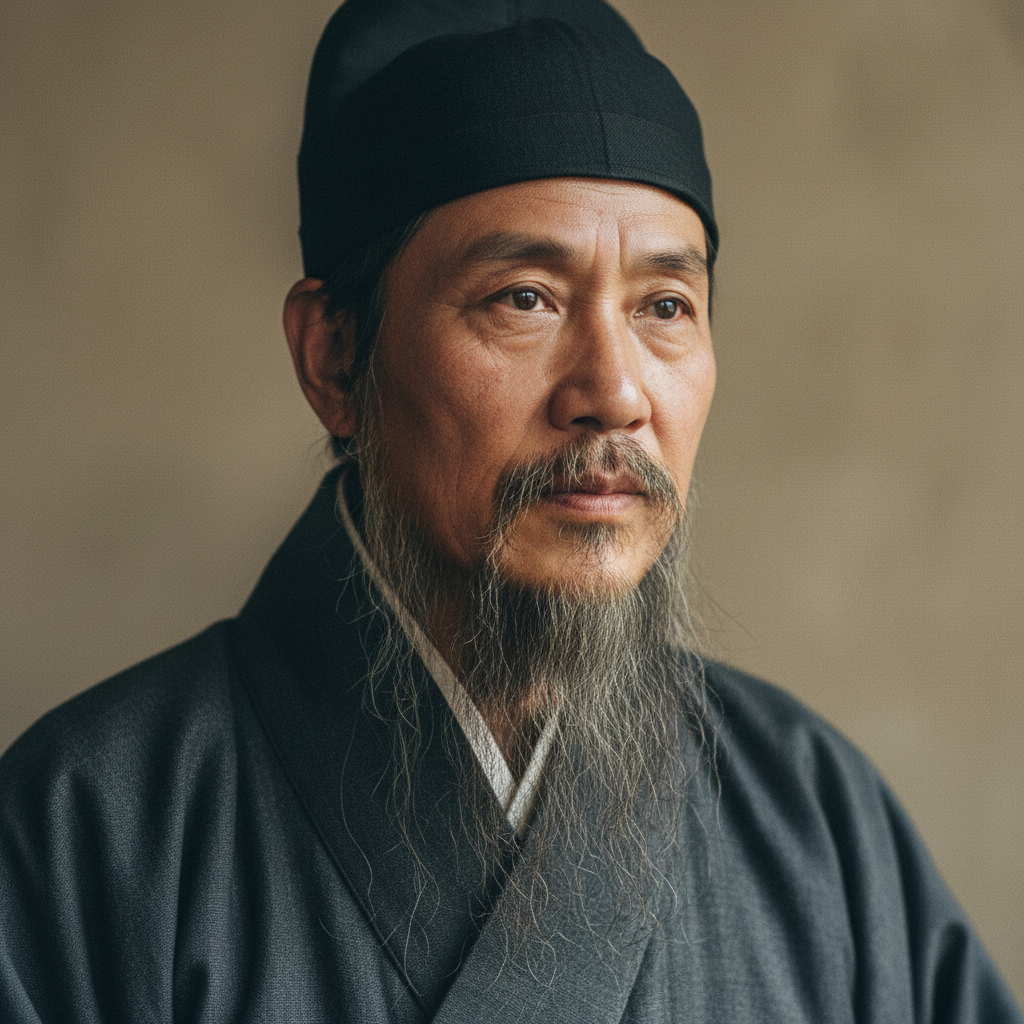
Confucius
551 BCE–479 BCE · State of Lu (modern Shandong, China)
Confucius (Kong Qiu) was an influential Chinese teacher and philosopher from the state of Lu whose ethical teachings became the foundation of Confucianism.
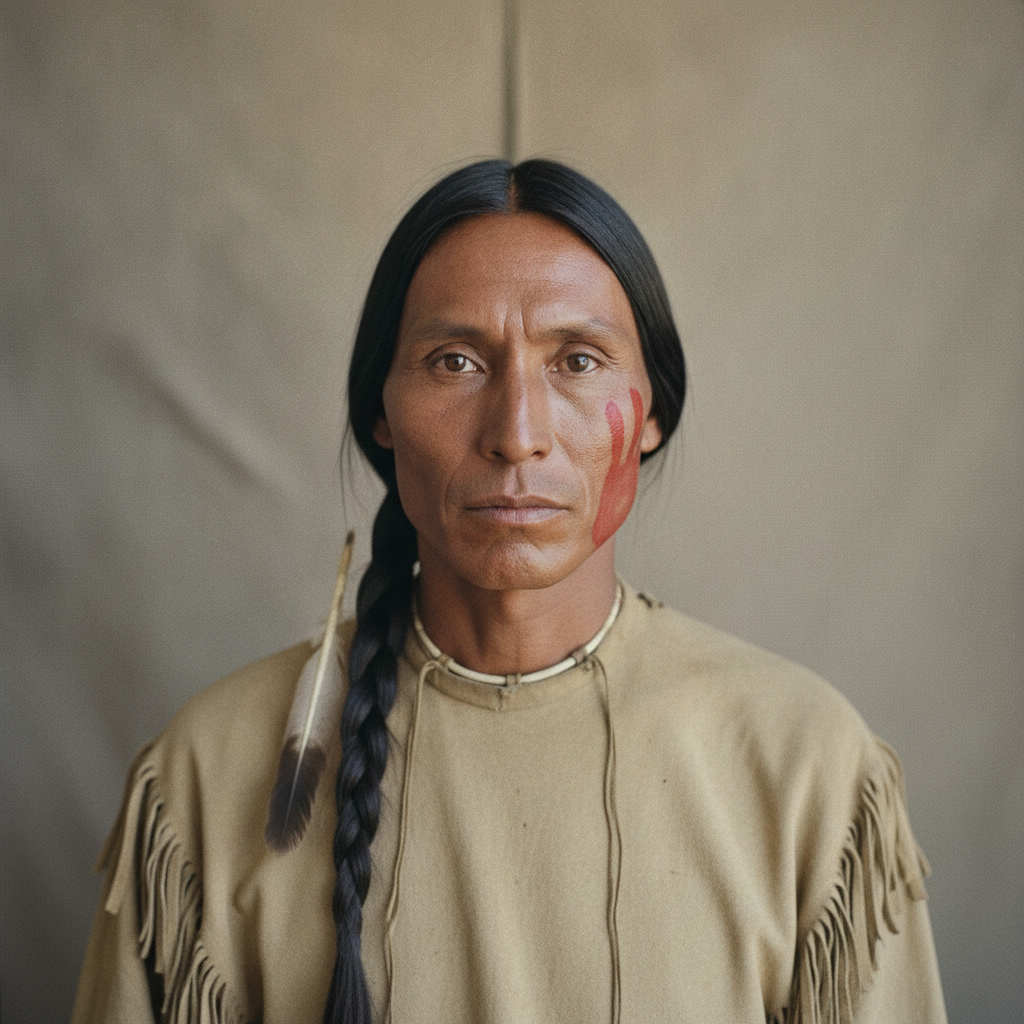
Crazy Horse
1840–1877 · Great Plains (Oglala Lakota, present-day South Dakota)
Crazy Horse was an Oglala Lakota war leader famed for his role resisting U.S. encroachment on the Plains and for his fierce battlefield presence.
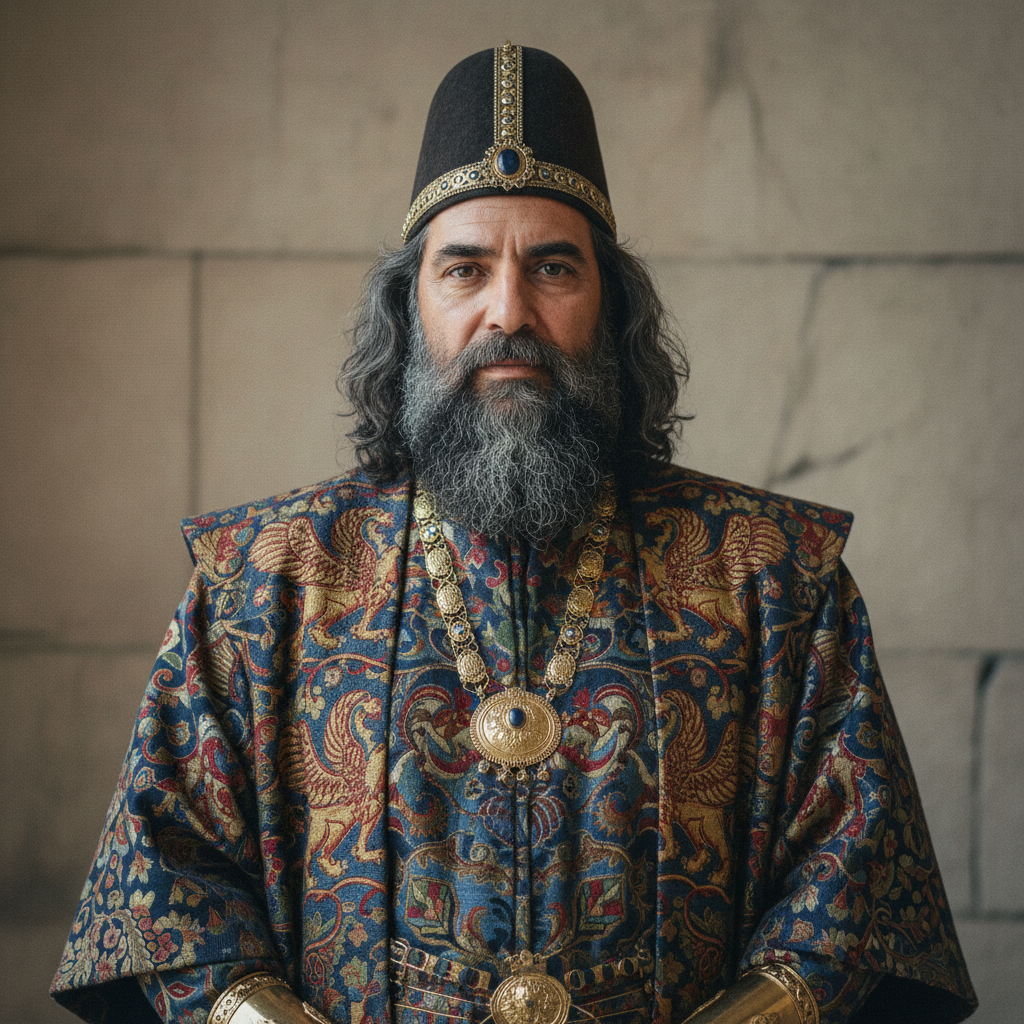
Cyrus the Great
600 BCE–530 BCE · Persia (modern Iran)
Cyrus II (Cyrus the Great) — 6th‑century BCE founder of the Achaemenid Persian Empire and its first great king.

Darius the Great
550 BCE–486 BCE · Persian Empire (centered in modern Iran)
Darius I (Darius the Great), Achaemenid king who ruled Persia 522–486 BCE and commissioned the great reliefs at Behistun and Persepolis.
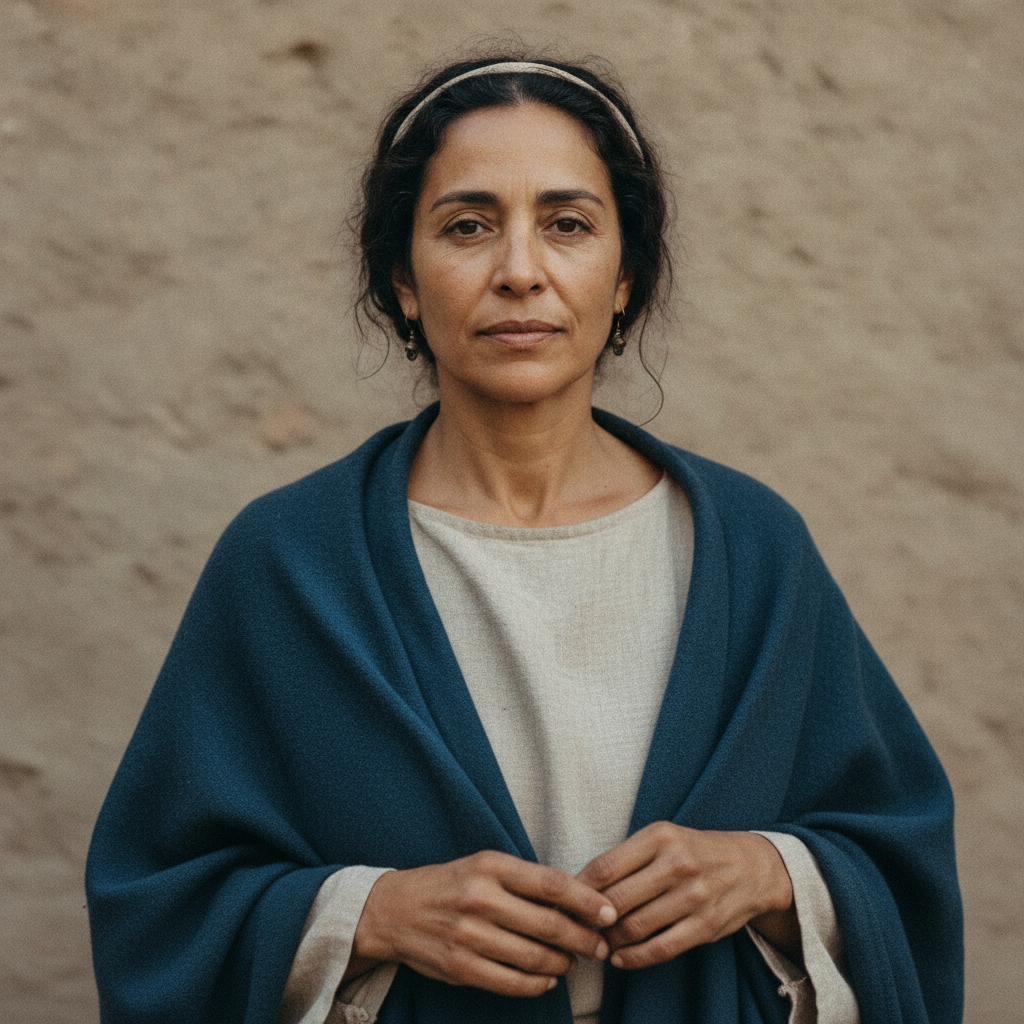
Deborah
0–0 · Ancient Israel (Canaan)
Deborah — the Israelite prophetess and judge who led and adjudicated Israel, known from Judges 4–5 in the Hebrew Bible.
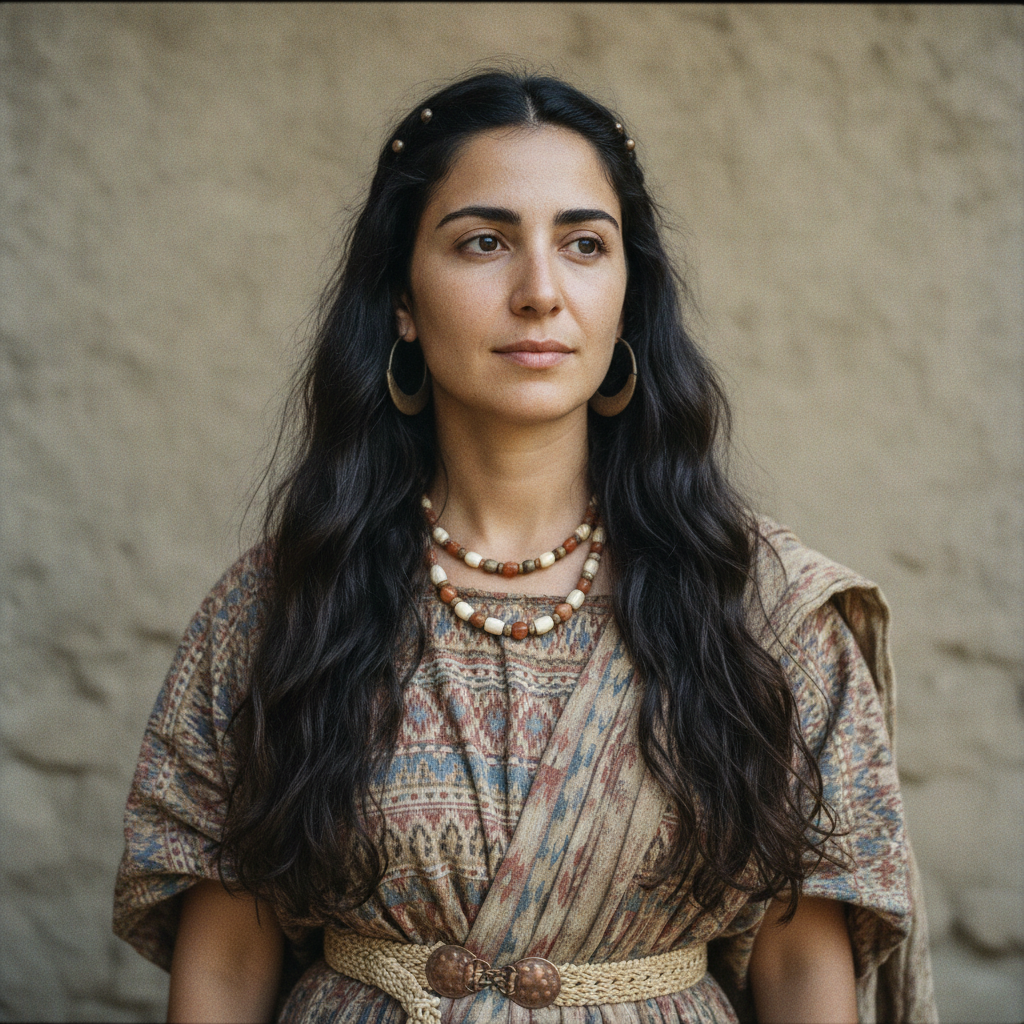
Delilah
0–0 · Philistine territory, southern Levant (Sorek/Shephelah region)
Delilah — the Philistine woman who features in the Samson narrative of Judges 16 — traditionally portrayed as a seductive figure who betrayed Samson.
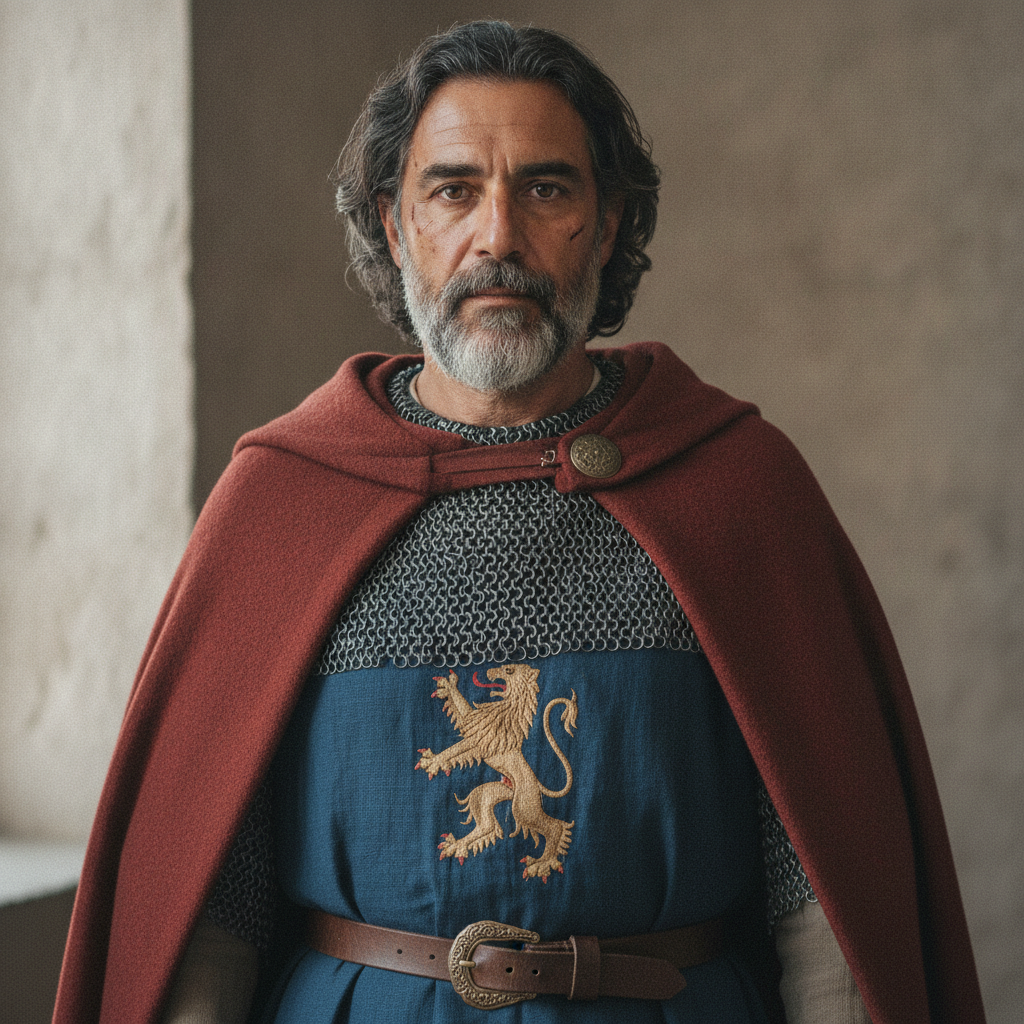
El Cid
1043–1099 · Castile (northern Iberia)
Rodrigo Díaz de Vivar — known as El Cid — was an 11th‑century Castilian nobleman and military leader, famed as a mounted knight and warlord in Christian and Muslim Spain.
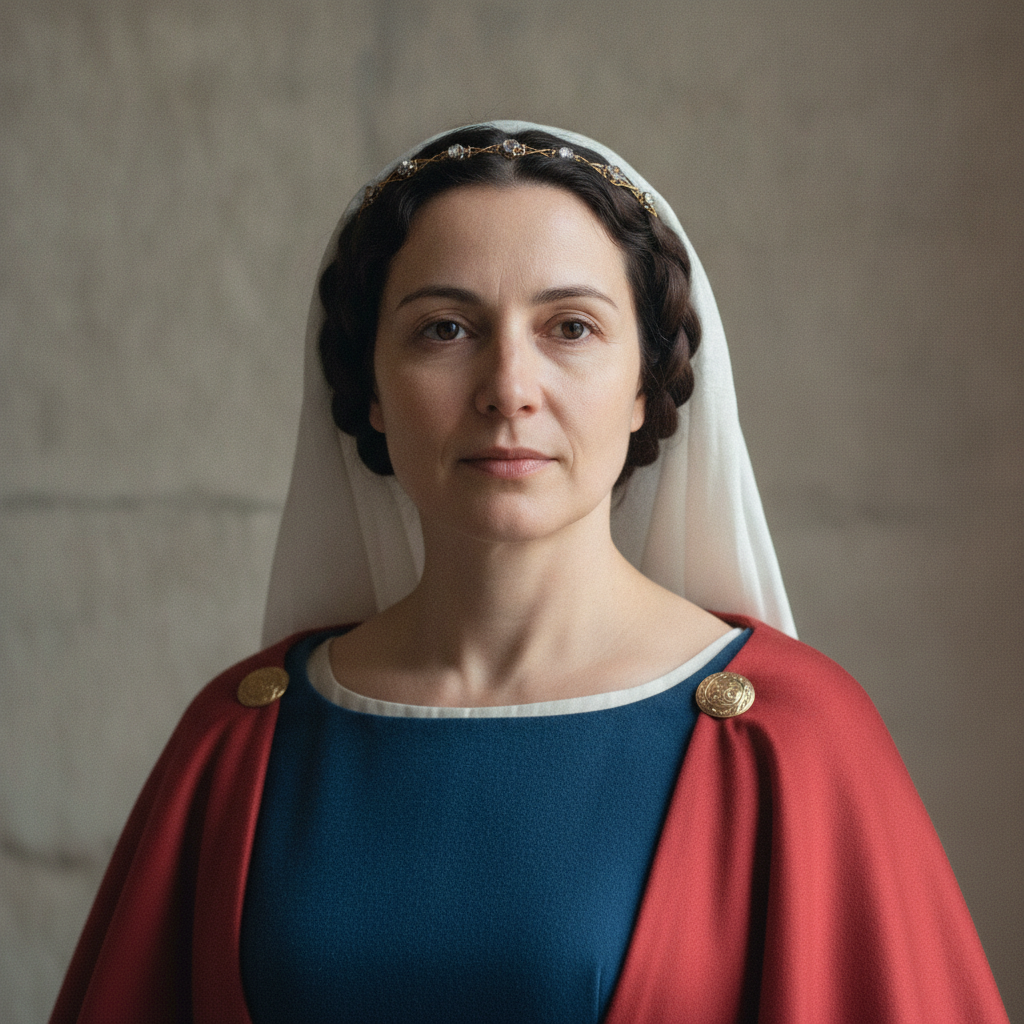
Eleanor of Aquitaine
1122–1204 · Aquitaine (southwestern France); later England and Normandy
One of the most powerful and famous women of 12th-century Europe: Duchess of Aquitaine and queen consort of France and England.
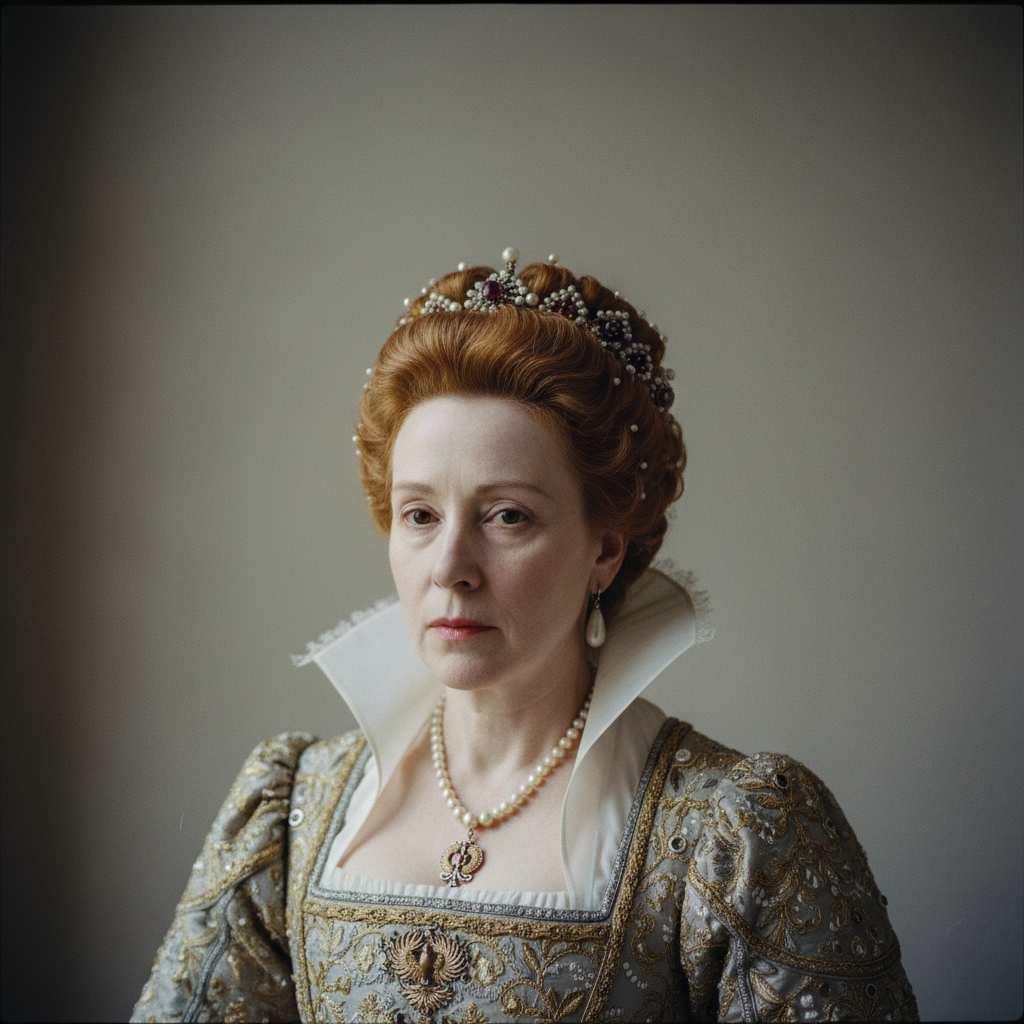
Elizabeth I
1533–1603 · England (Tudor court)
Elizabeth I (1533–1603), the Tudor queen who ruled England from 1558 to 1603, known for her iconic court image and elaborate portraiture.
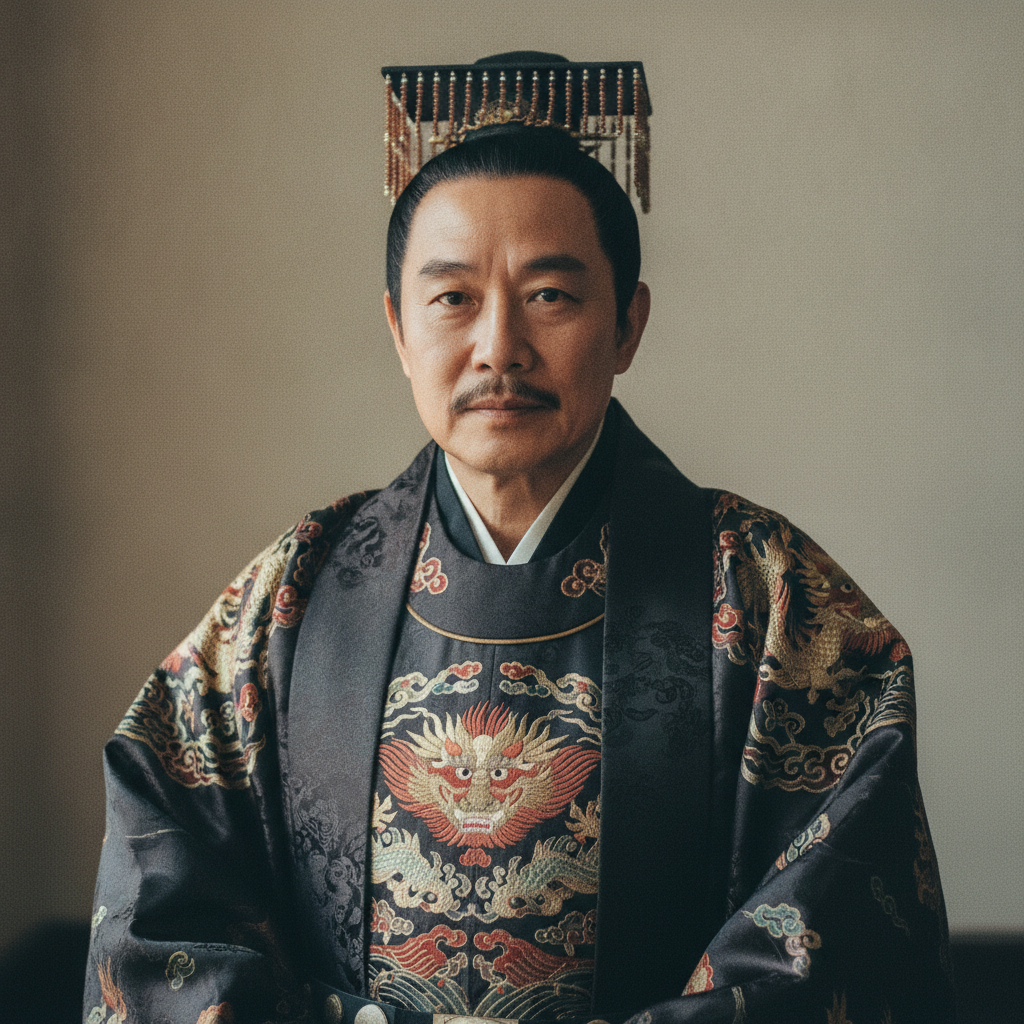
Emperor Wu of Han
156–87 · Imperial Han China (capital: Chang'an / modern Shaanxi region)
Emperor Wu of Han (Liu Che) was a powerful Western Han emperor (r. 141–87 BCE) known for military expansion and centralized rule.
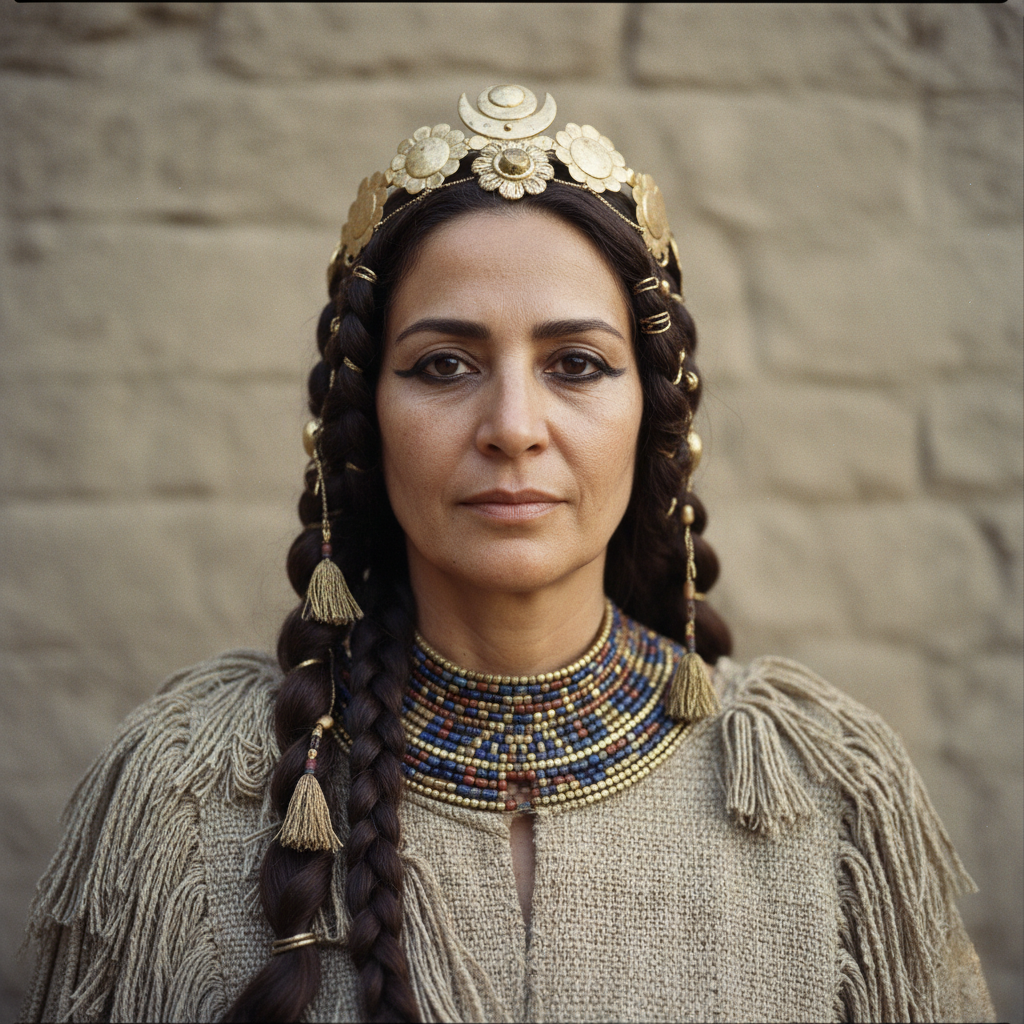
Enheduanna
0–0 · Sumer (city of Ur), southern Mesopotamia
Enheduanna was a Sargonic-period high priestess of Nanna at Ur and the earliest named author in the historical record.
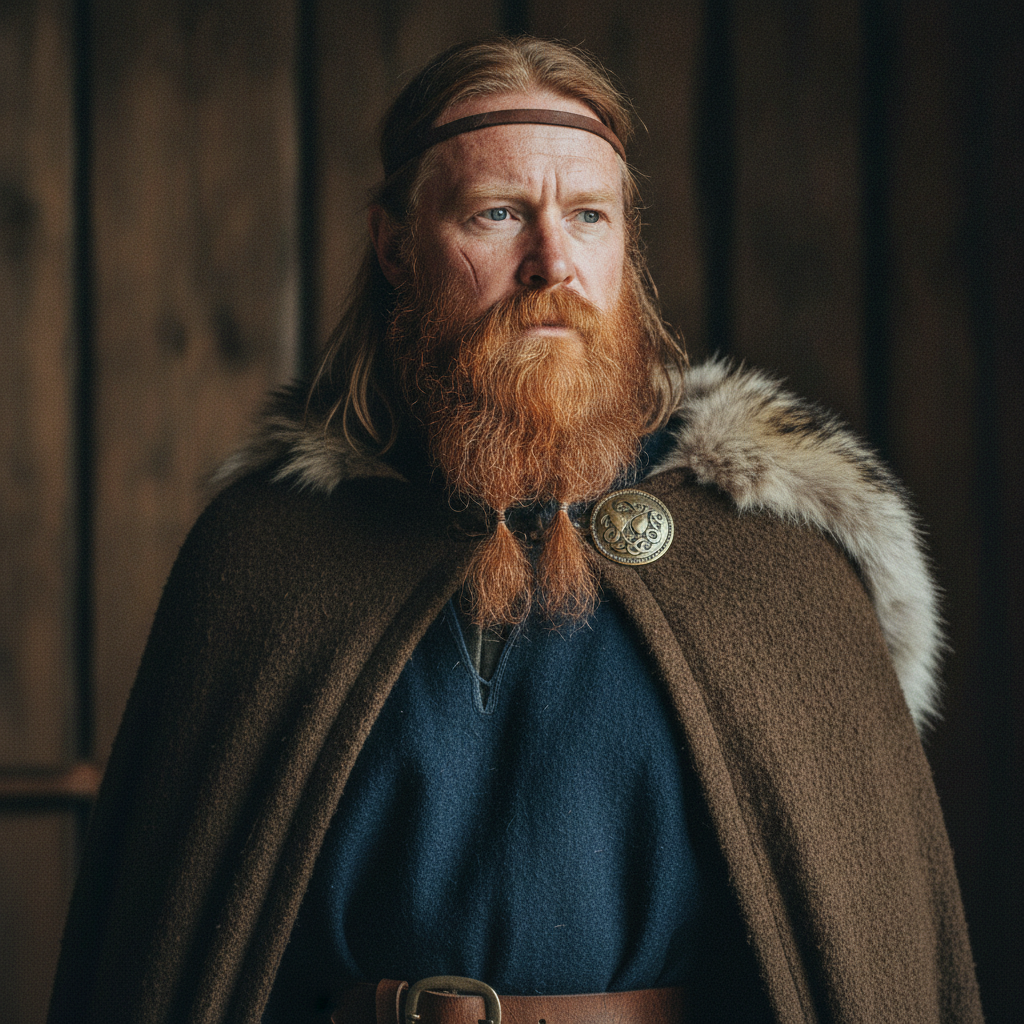
Erik the Red
950–1003 · Norse North Atlantic (Norway → Iceland → Greenland)
Erik the Red (Erik Þorvaldsson) was a Norse explorer and chieftain who led the colonization of Greenland in the late 10th century.
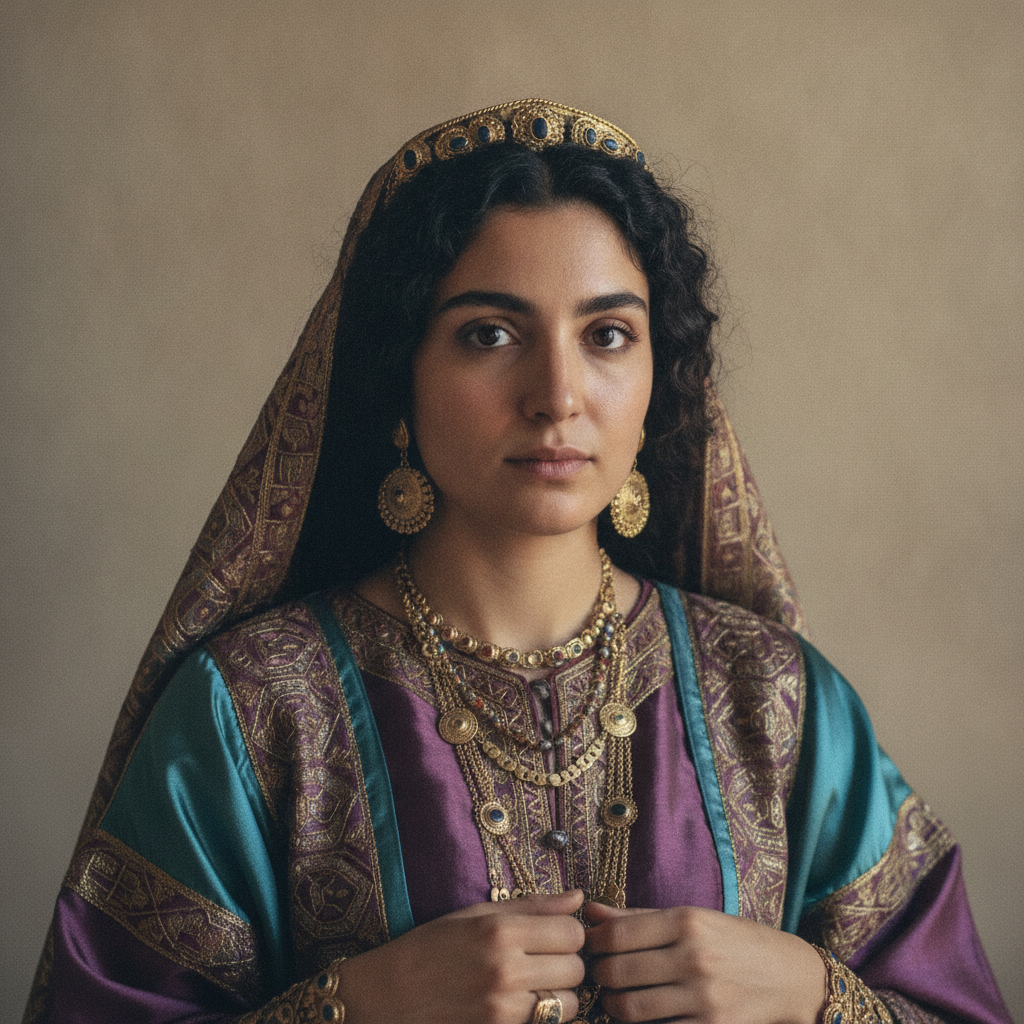
Esther
0–0 · Achaemenid Persia (Susa / Shushan court)
Esther was a Jewish woman who became queen of the Achaemenid king Ahasuerus (traditionally identified with Xerxes I) and is the central figure of the Book of Esther.
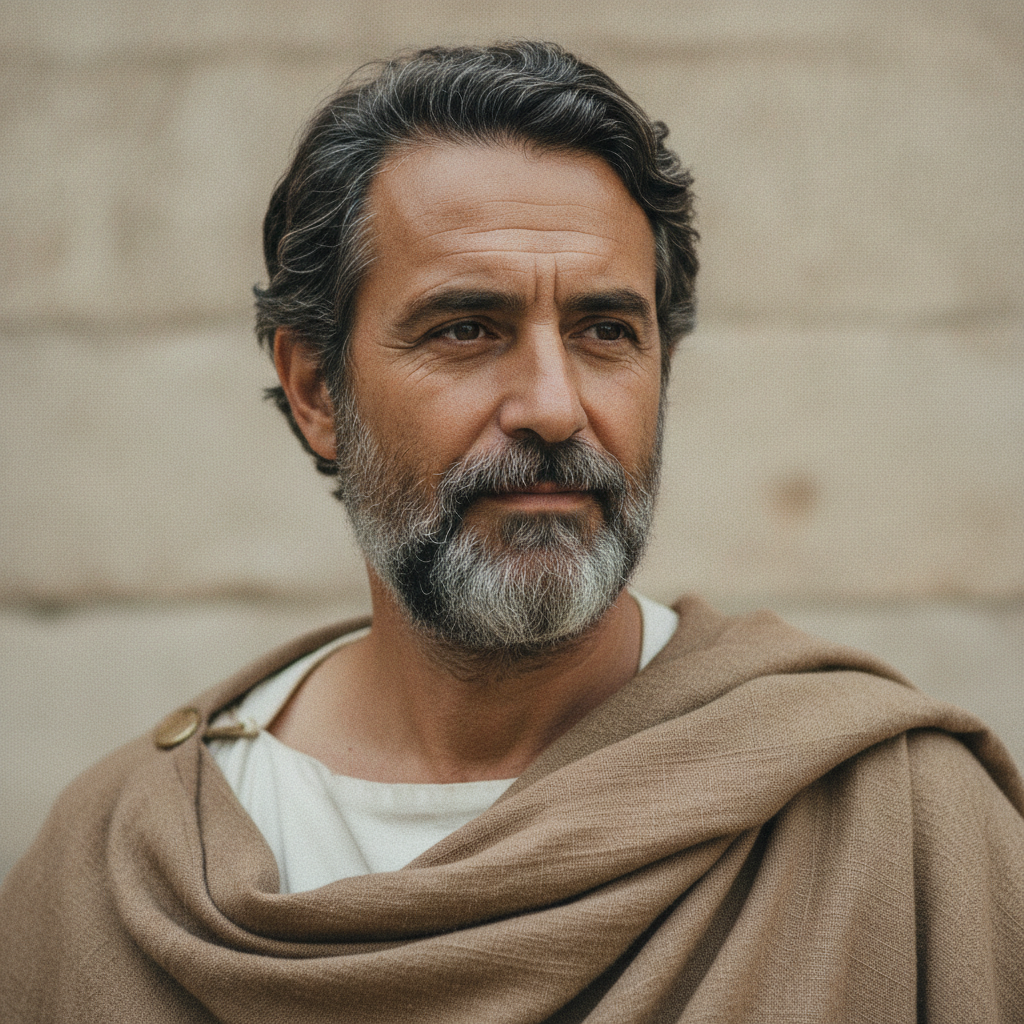
Euclid
0–0 · Alexandria, Ptolemaic Egypt (Greek-speaking)
Euclid of Alexandria, the influential Hellenistic mathematician often called the 'father of geometry', active around 300 BCE.

Eve
0–0 · Ancient Near East (Levant)
Eve, the first woman in the Hebrew Bible, an archetypal matriarch of the Abrahamic traditions.
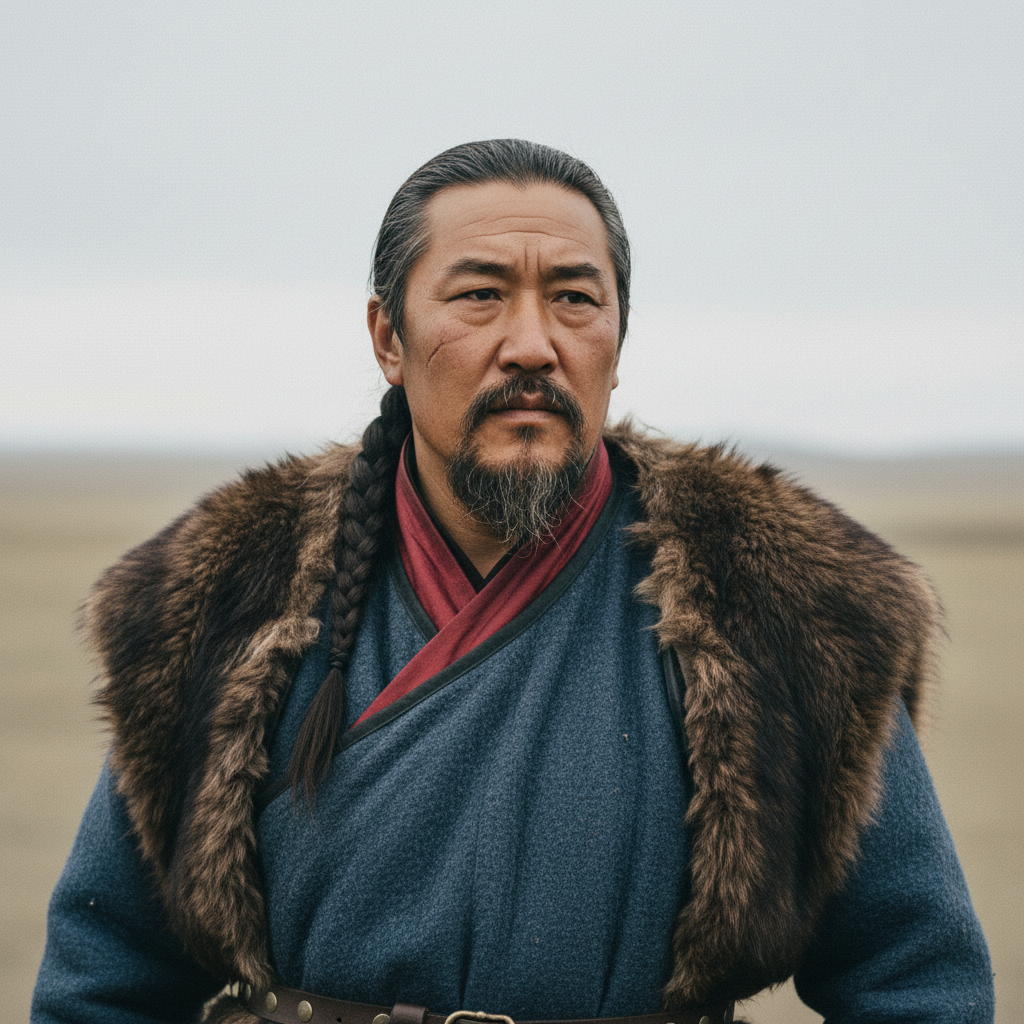
Genghis Khan
1162–1227 · Mongolian steppe; founder of the Mongol Empire
Genghis Khan (Temüjin) was the Mongol leader who united the steppe tribes and founded the Mongol Empire in the early 1200s.
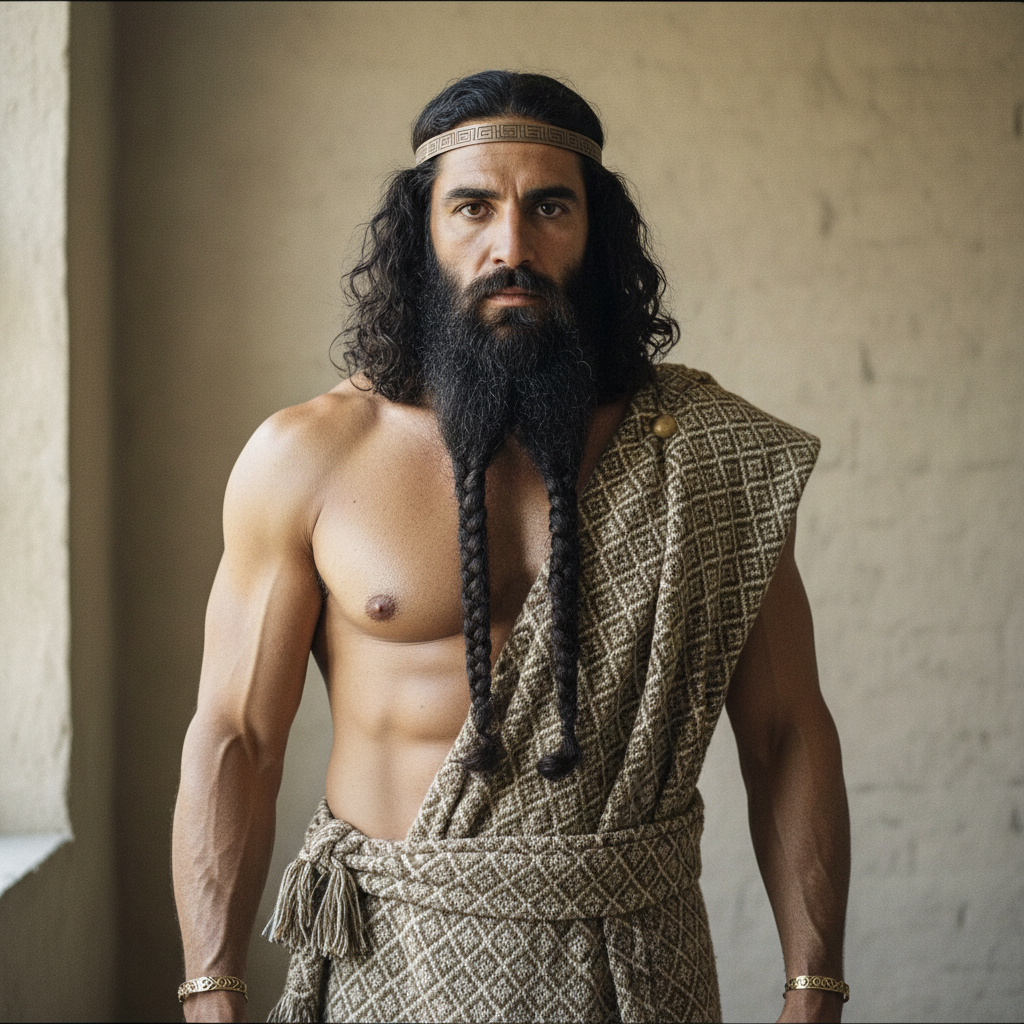
Gilgamesh
0–0 · Uruk (southern Mesopotamia, modern Iraq)
Legendary king of Uruk from Mesopotamian tradition—celebrated in the Epic of Gilgamesh as a superhuman warrior-king.
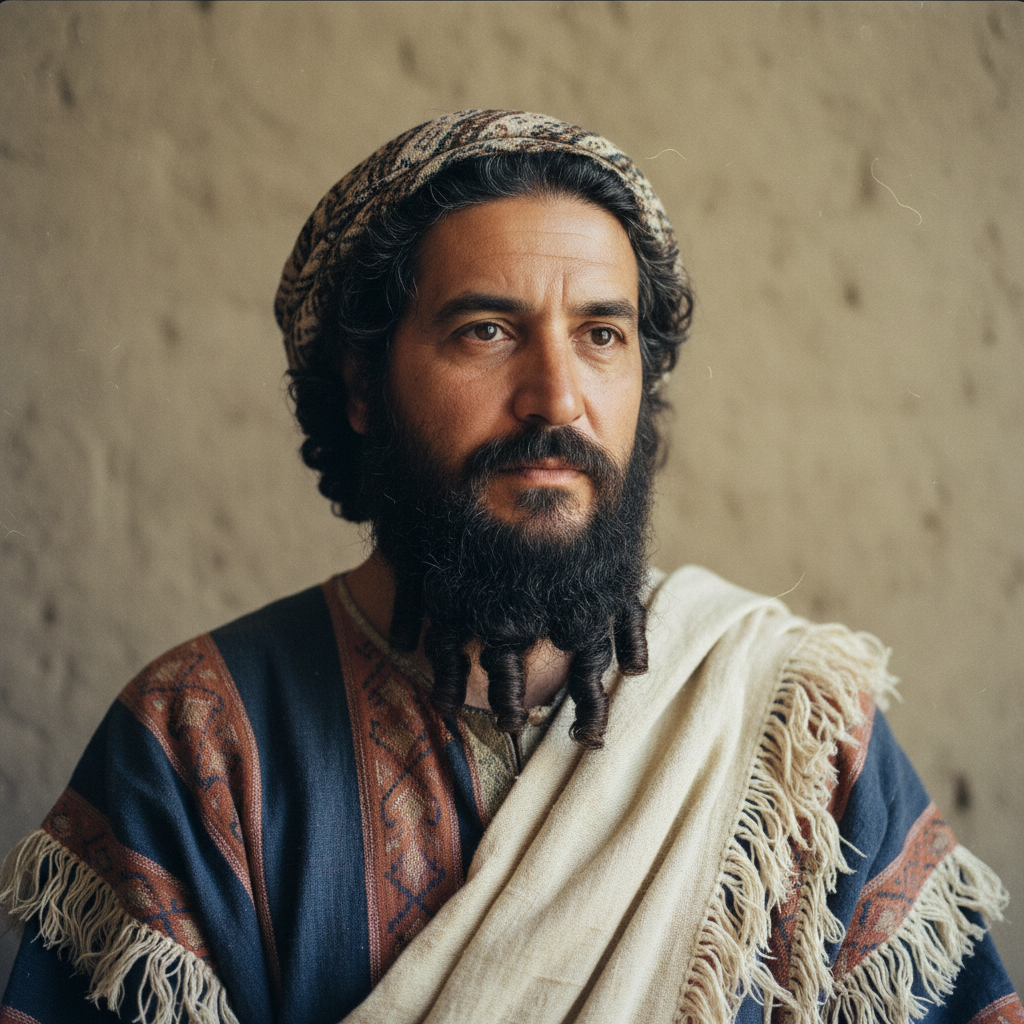
Hammurabi
1810 BCE–1750 BCE · Mesopotamia (Babylon)
King of Babylon best known for the Code of Hammurabi, a military and administrative ruler of the Old Babylonian period.
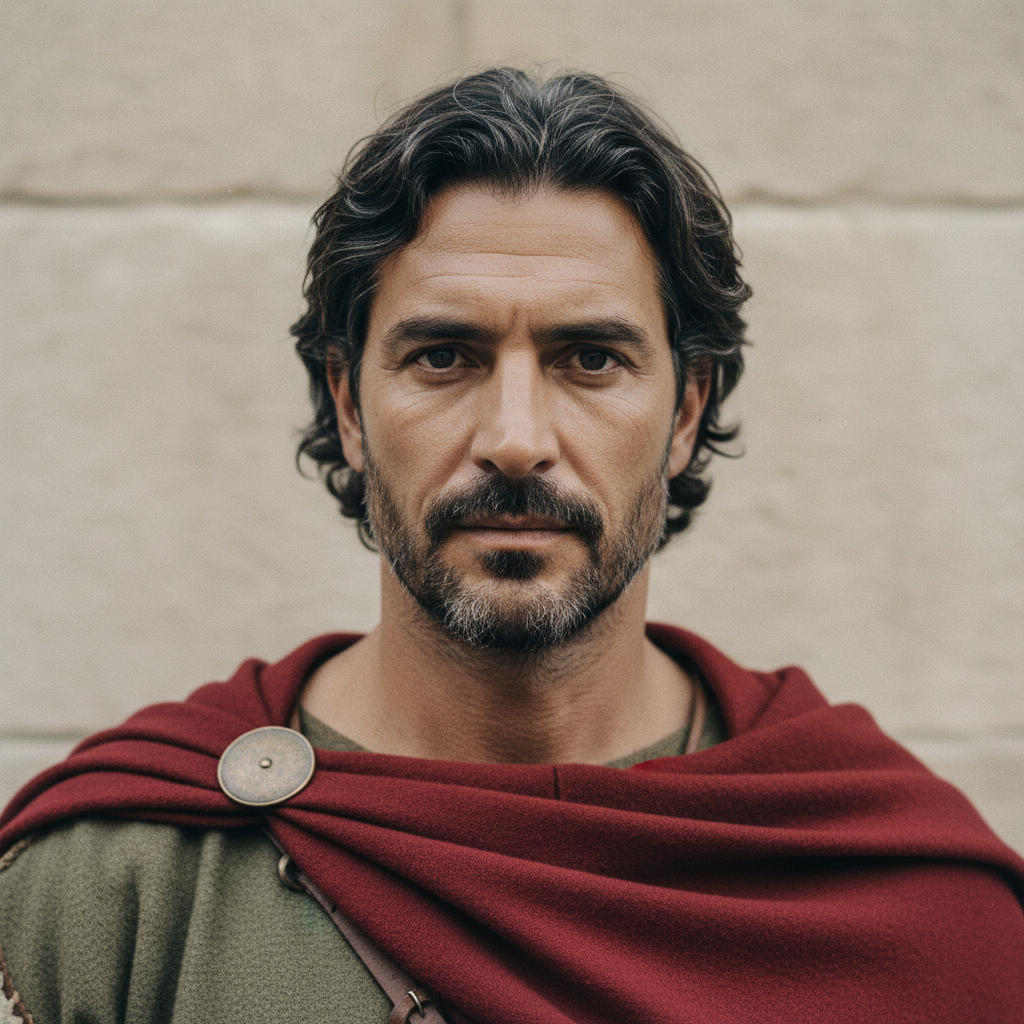
Hannibal Barca
247 BCE–183 BCE · Carthage (born in North Africa), active in Iberia and Italy
Hannibal Barca, Carthaginian commander renowned for crossing the Alps and fighting Rome during the Second Punic War.
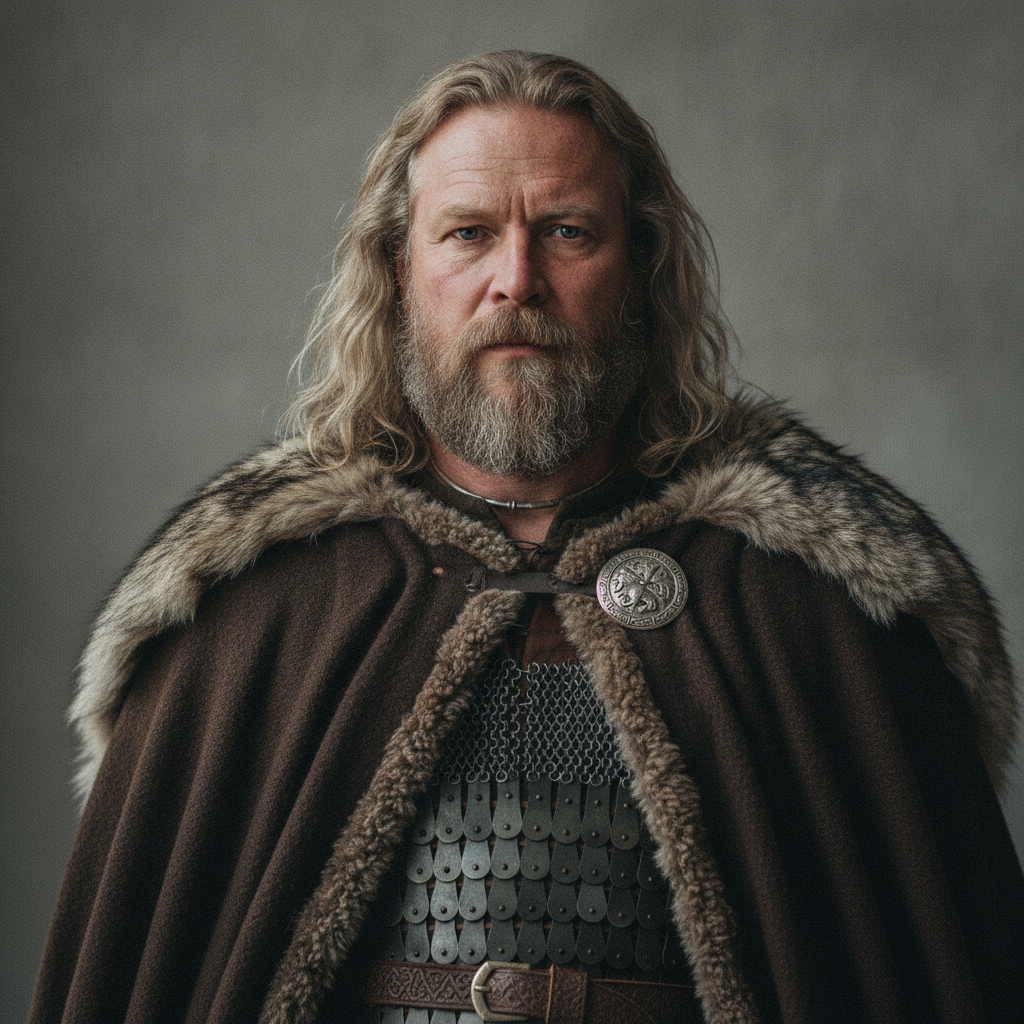
Harald Hardrada
1015–1066 · Norway (active in Kievan Rus' and Byzantium)
Harald Sigurdsson (Harald Hardrada), King of Norway (r. 1046–1066), famed Viking war-leader who died at Stamford Bridge.
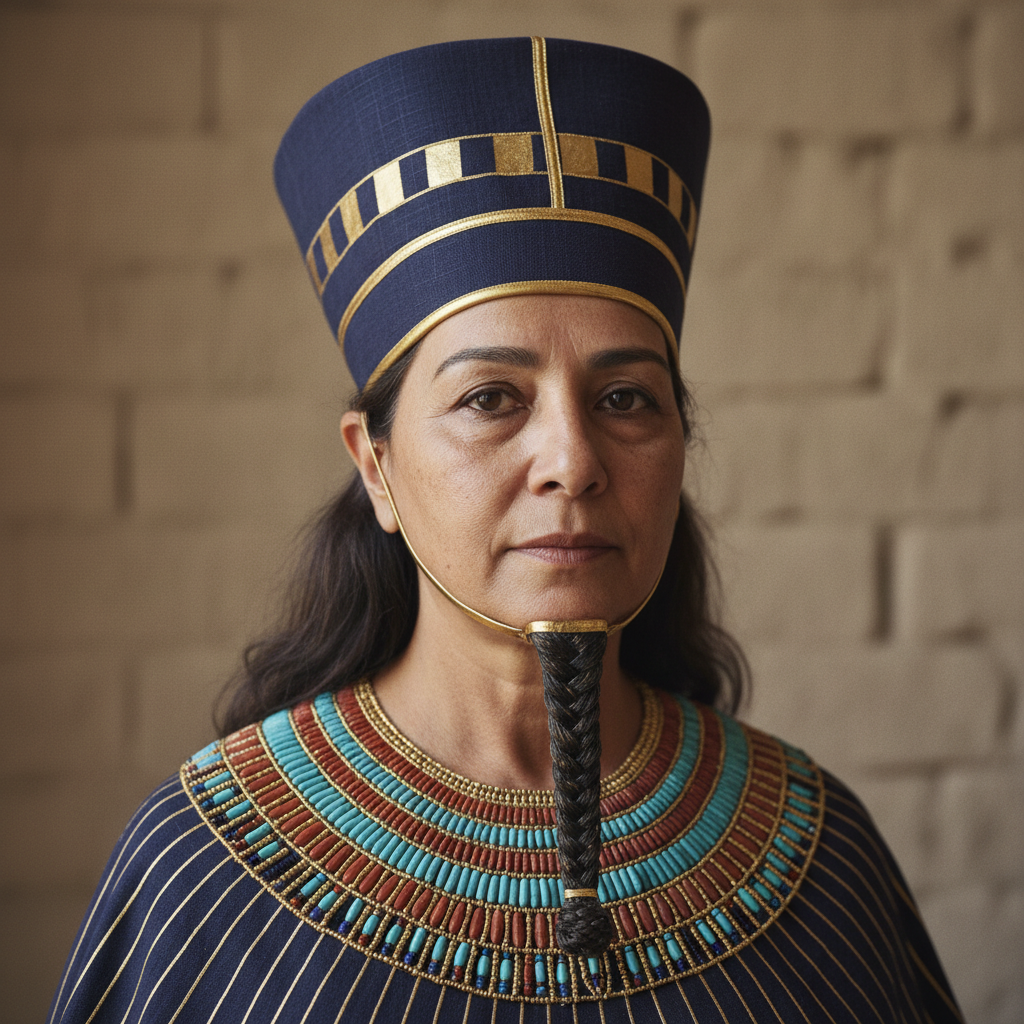
Hatshepsut
1507 BCE–1458 BCE · Ancient Egypt (Thebes, Upper Egypt)
Hatshepsut was a powerful 18th‑Dynasty Egyptian pharaoh who ruled as king of Egypt and commissioned extensive statuary and relief portraits.
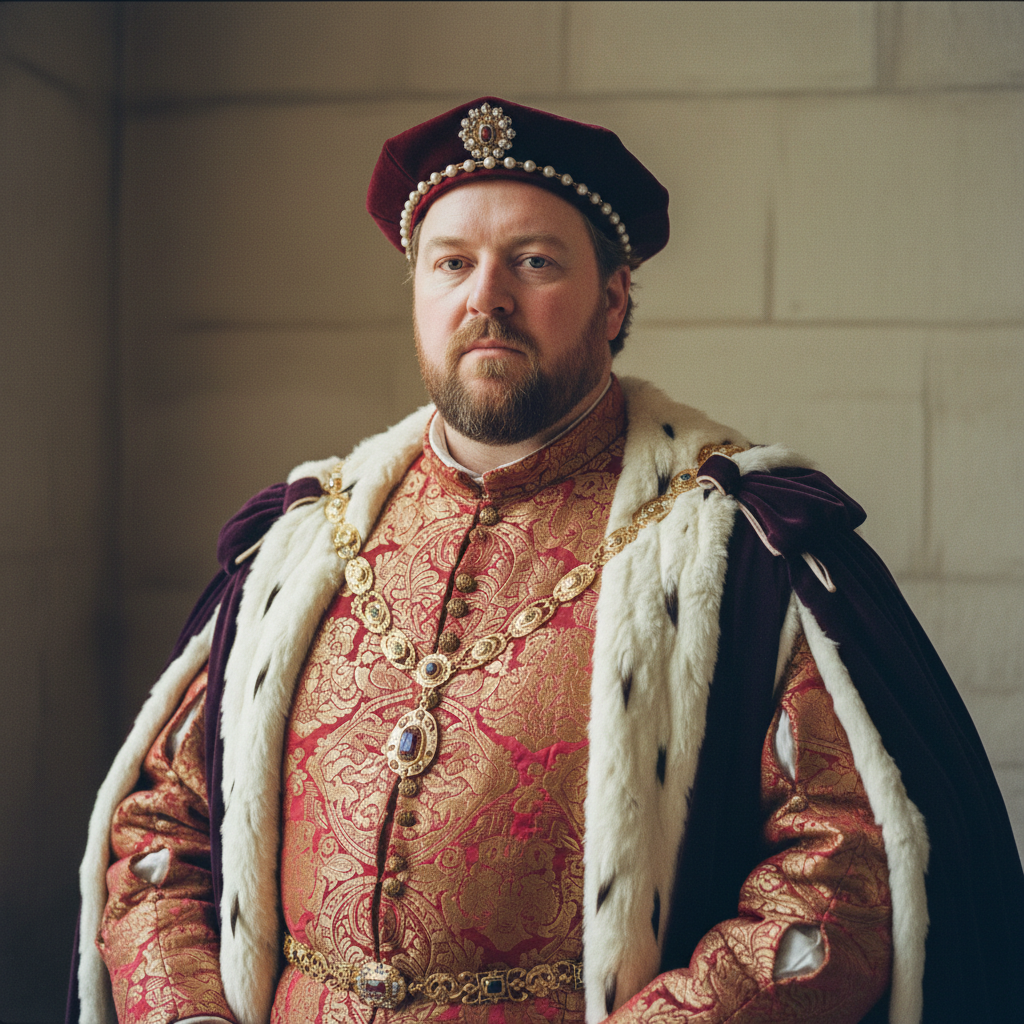
Henry VIII
1491–1547 · England
Henry VIII, Tudor monarch (r. 1509–1547) who transformed the English monarchy and is widely known for his six marriages.
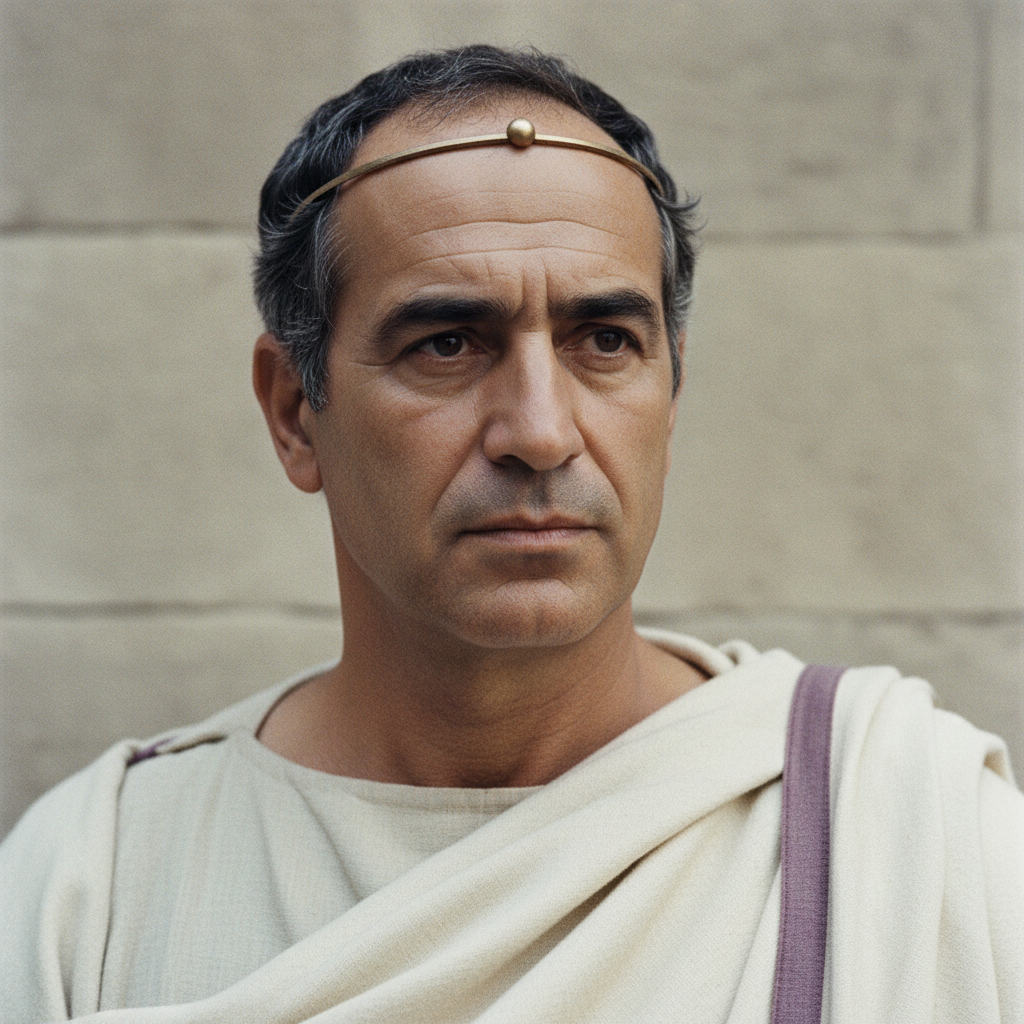
Herod the Great
73 BCE–4 BCE · Judea (client king under Rome)
Herod the Great, the Roman client king of Judea (r. 37–4 BCE) who rebuilt the Second Temple and ruled a culturally mixed Levantine kingdom.
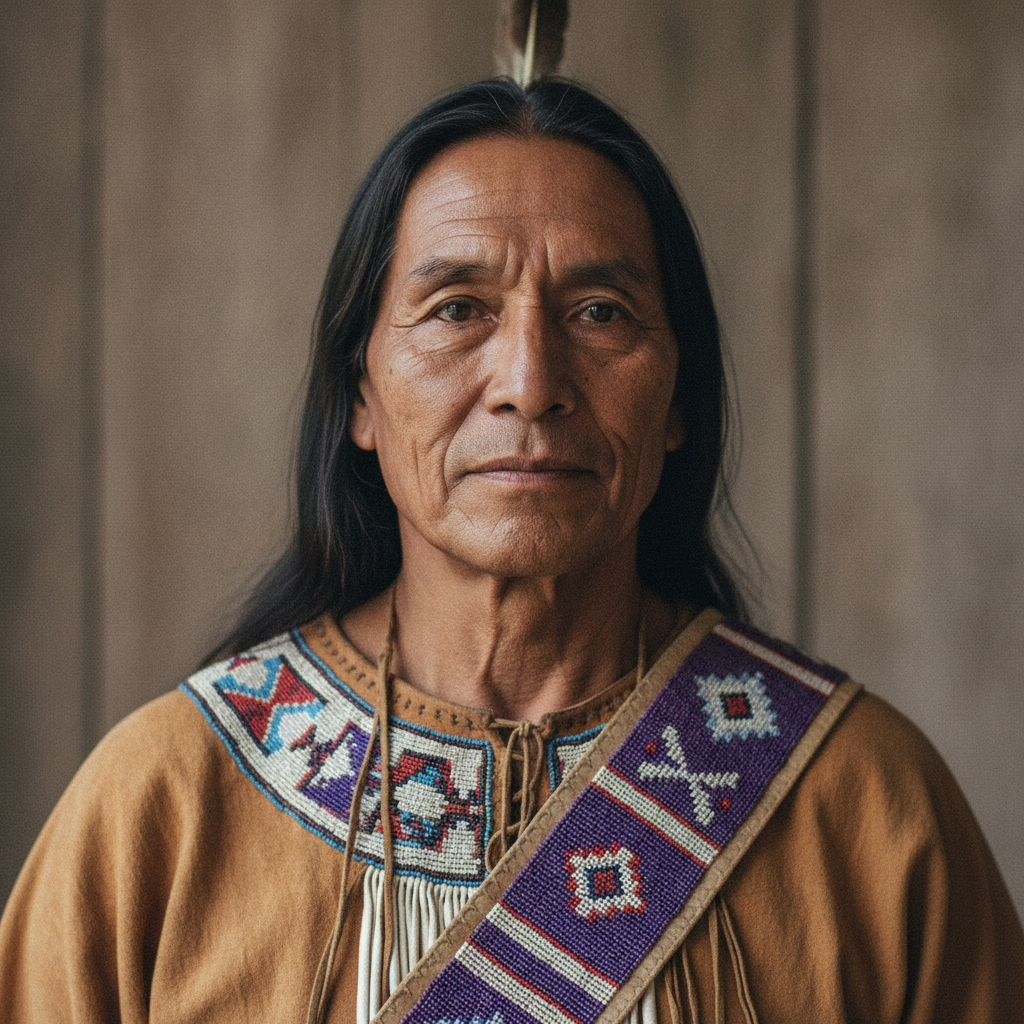
Hiawatha
0–0 · Haudenosaunee (Iroquois) territory — present-day upstate New York and the Great Lakes region
Hiawatha is the legendary Haudenosaunee leader and co-founder of the Iroquois Confederacy known from Haudenosaunee oral tradition.
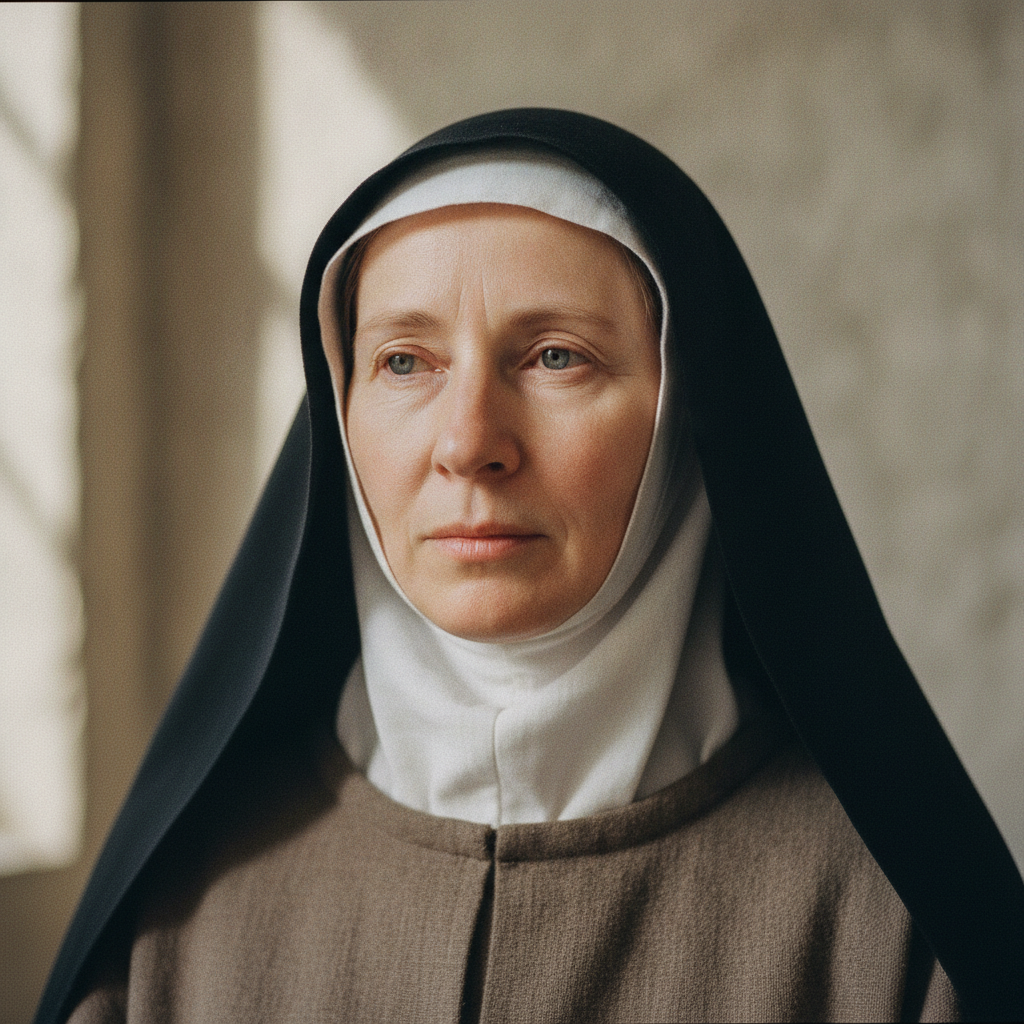
Hildegard of Bingen
1098–1179 · Rhineland, Holy Roman Empire (modern Germany)
Hildegard of Bingen (1098–1179) was a German Benedictine abbess, mystic, composer and writer who led religious communities and produced visionary works and music.
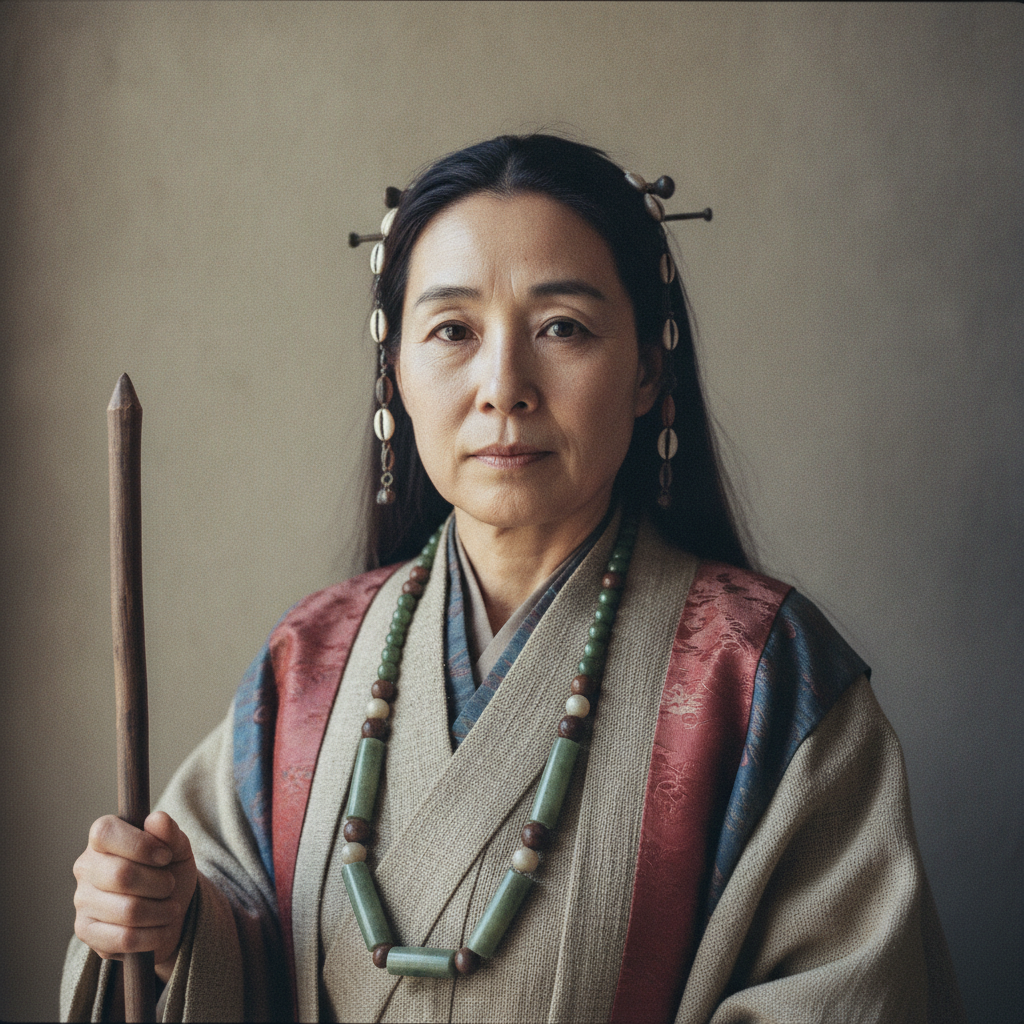
Himiko
0–0 · Yamatai (ancient Japan; central/western Honshū/Kyūshū debated)
Himiko was a 3rd-century shaman-queen described in Chinese sources as a female ruler of Yamatai who led through ritual and seclusion.
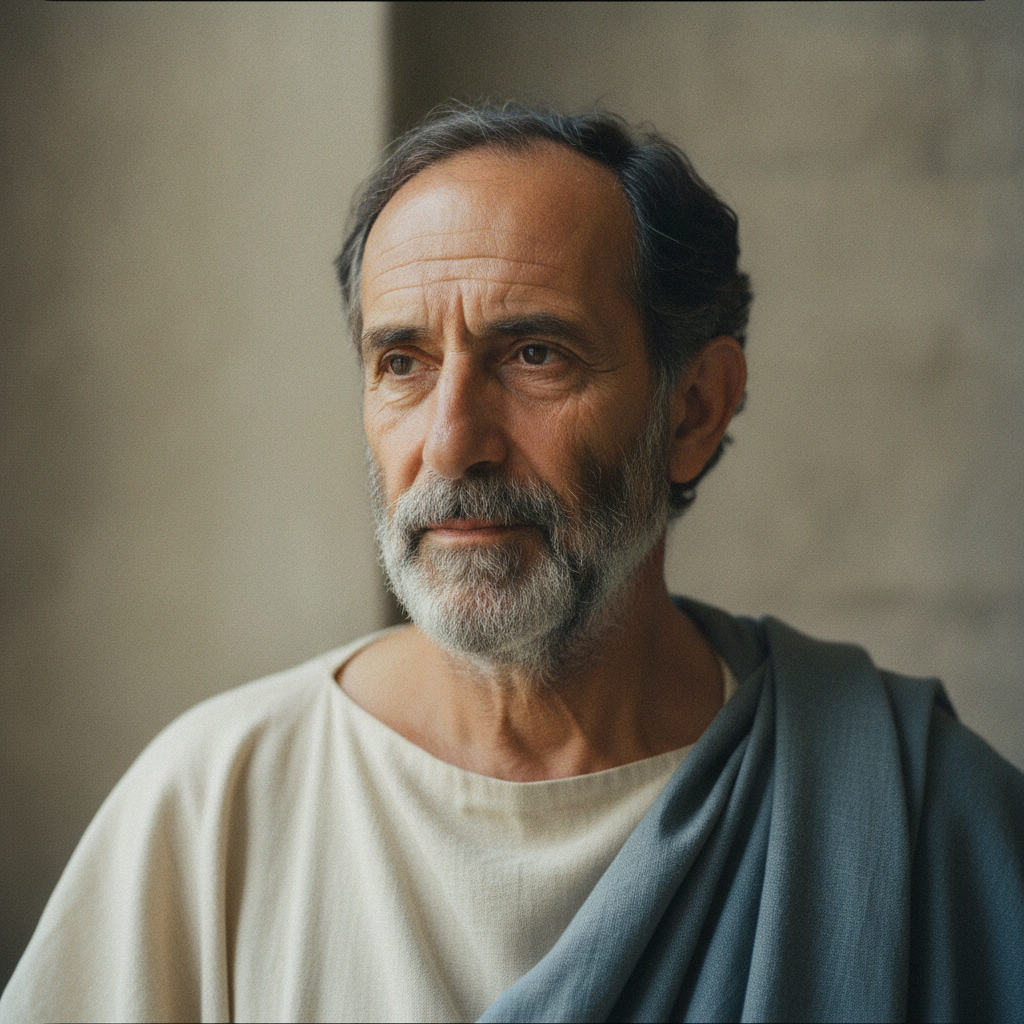
Hippocrates
460 BCE–370 BCE · Kos, Greek world (Aegean)
Hippocrates of Kos, a Classical Greek physician traditionally called the 'Father of Medicine.'
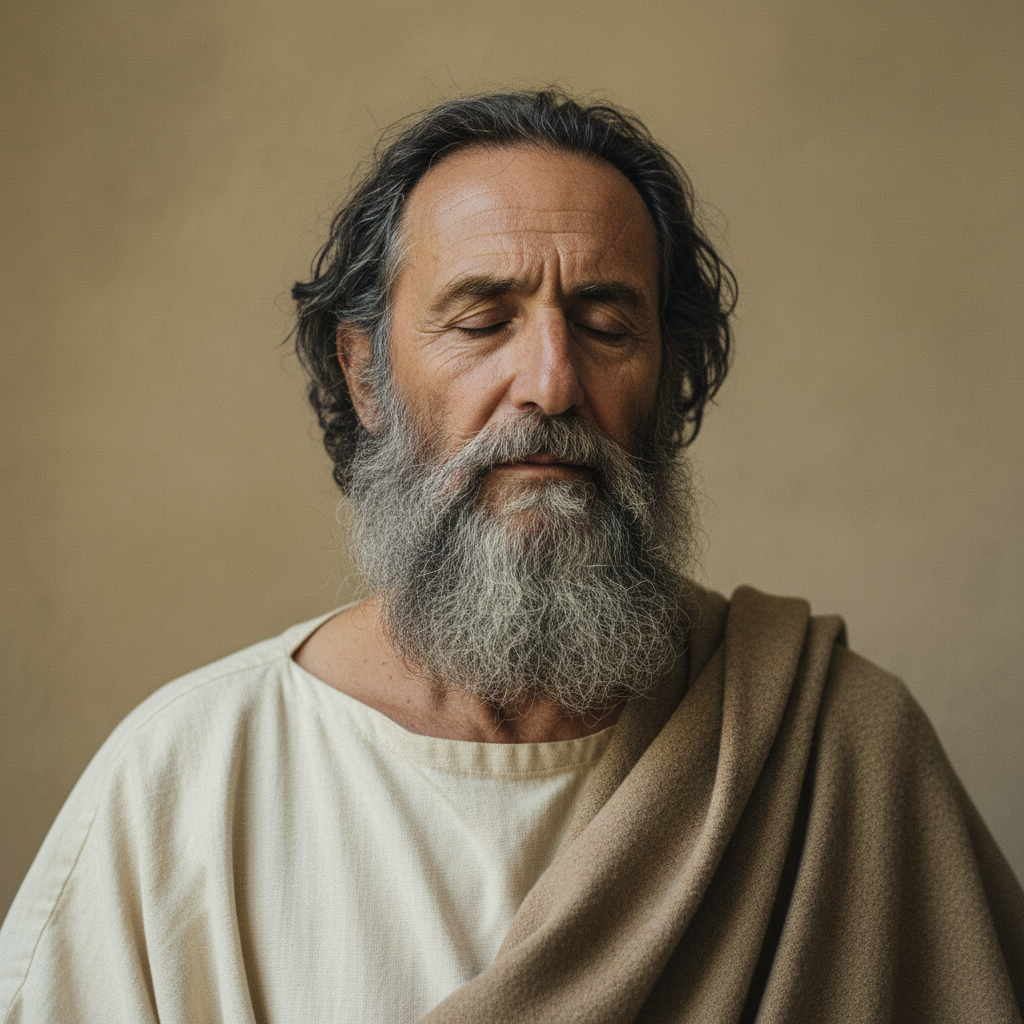
Homer
0–0 · Ionia (eastern Aegean coast)
Legendary ancient Greek epic poet traditionally credited with composing the Iliad and the Odyssey.
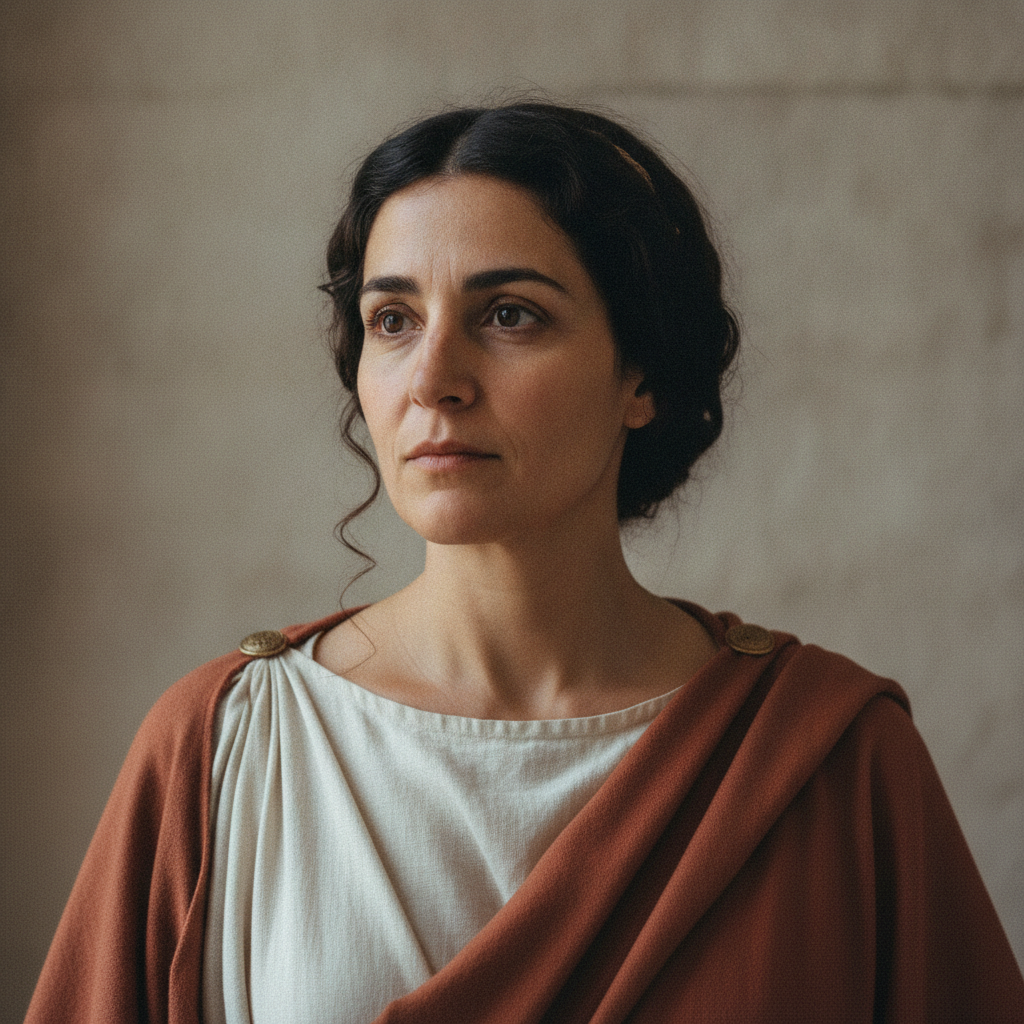
Hypatia
350–415 · Alexandria, Roman Egypt
An Alexandrian Neoplatonist philosopher and mathematician who taught and lectured to elites in Roman Egypt and was murdered in 415 CE.
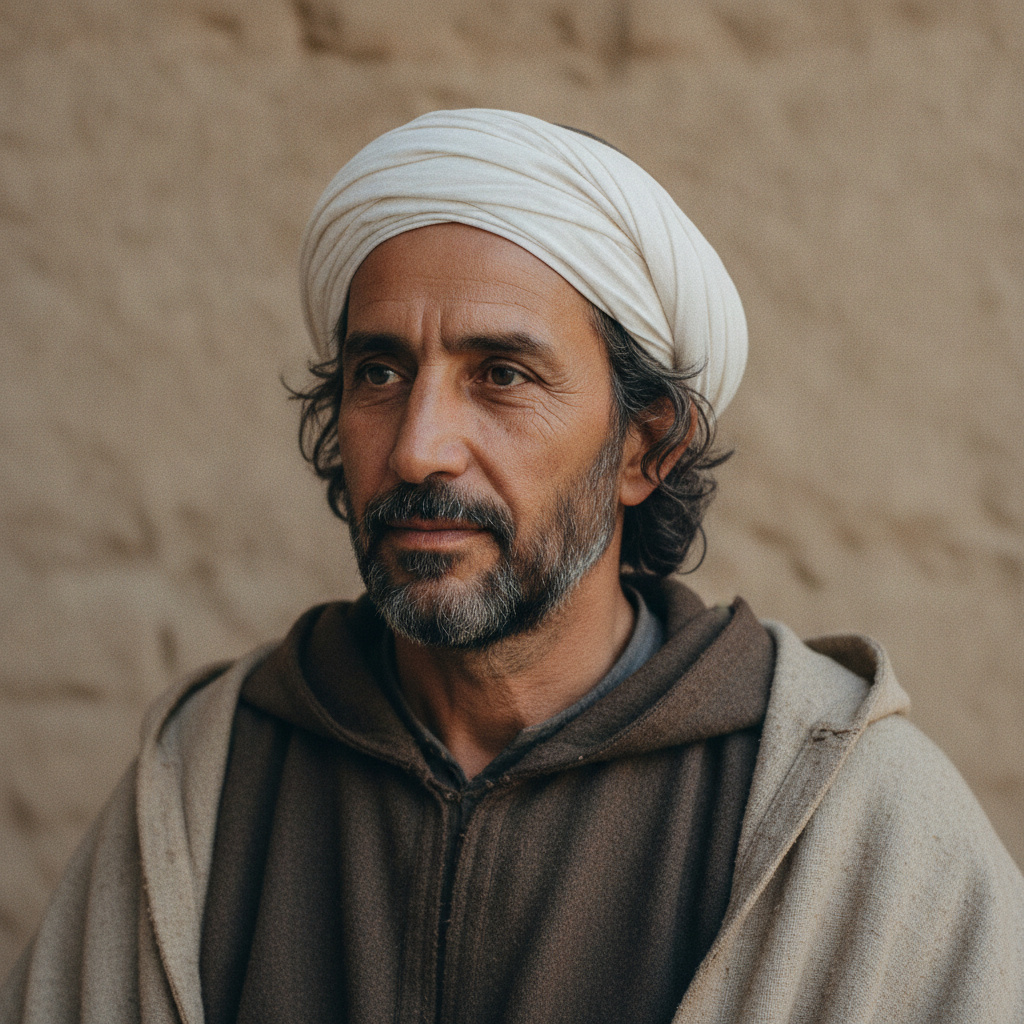
Ibn Battuta
1304–1368 · Morocco / Wider Islamic world
Fourteenth‑century Moroccan jurist and extraordinary travel writer whose Rihla records nearly 30 years of journeys across the Islamic world, Africa, and Asia.
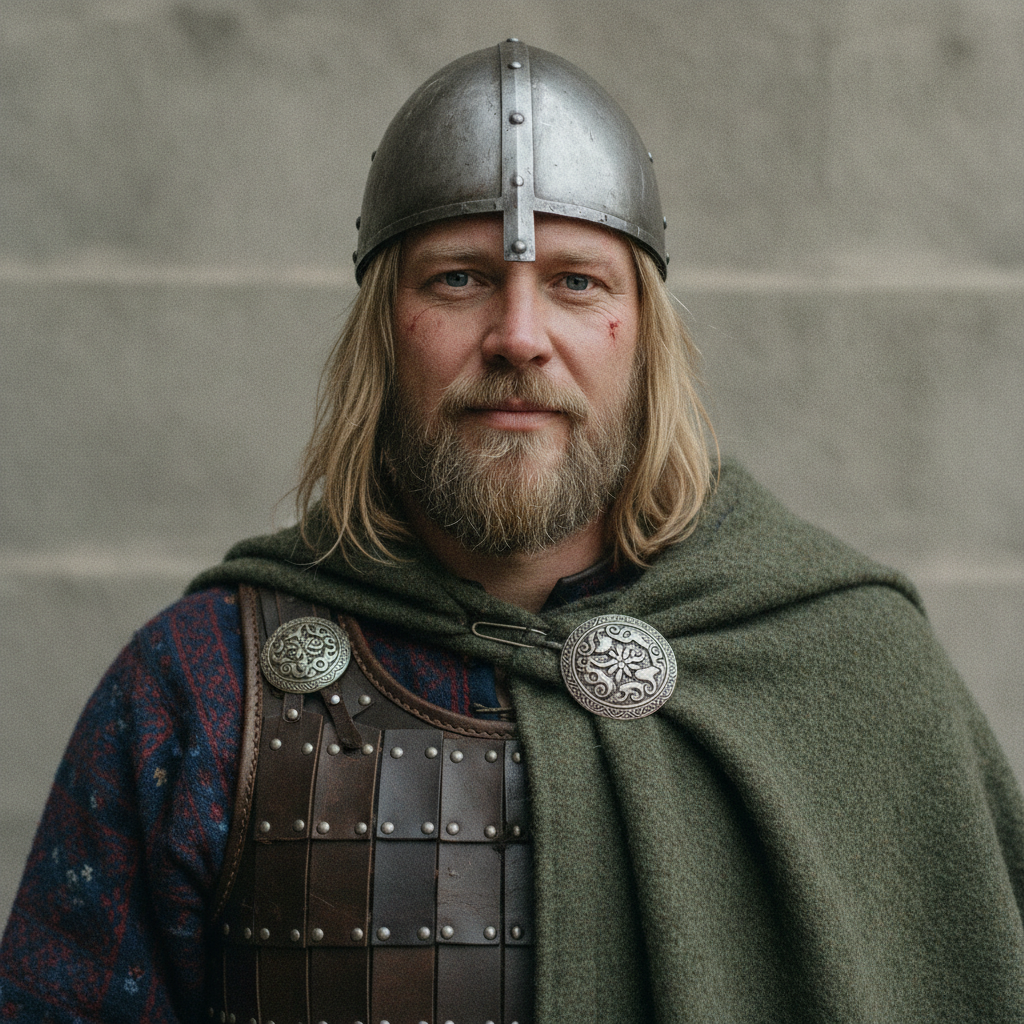
Ivar the Boneless
810–870 · Scandinavia / Viking world (operated in Britain & Ireland)
Ivar the Boneless was a 9th-century Norse war leader famous for commanding the Great Heathen Army in Britain and for his fearsome reputation in Irish and Anglo‑Saxon sources.
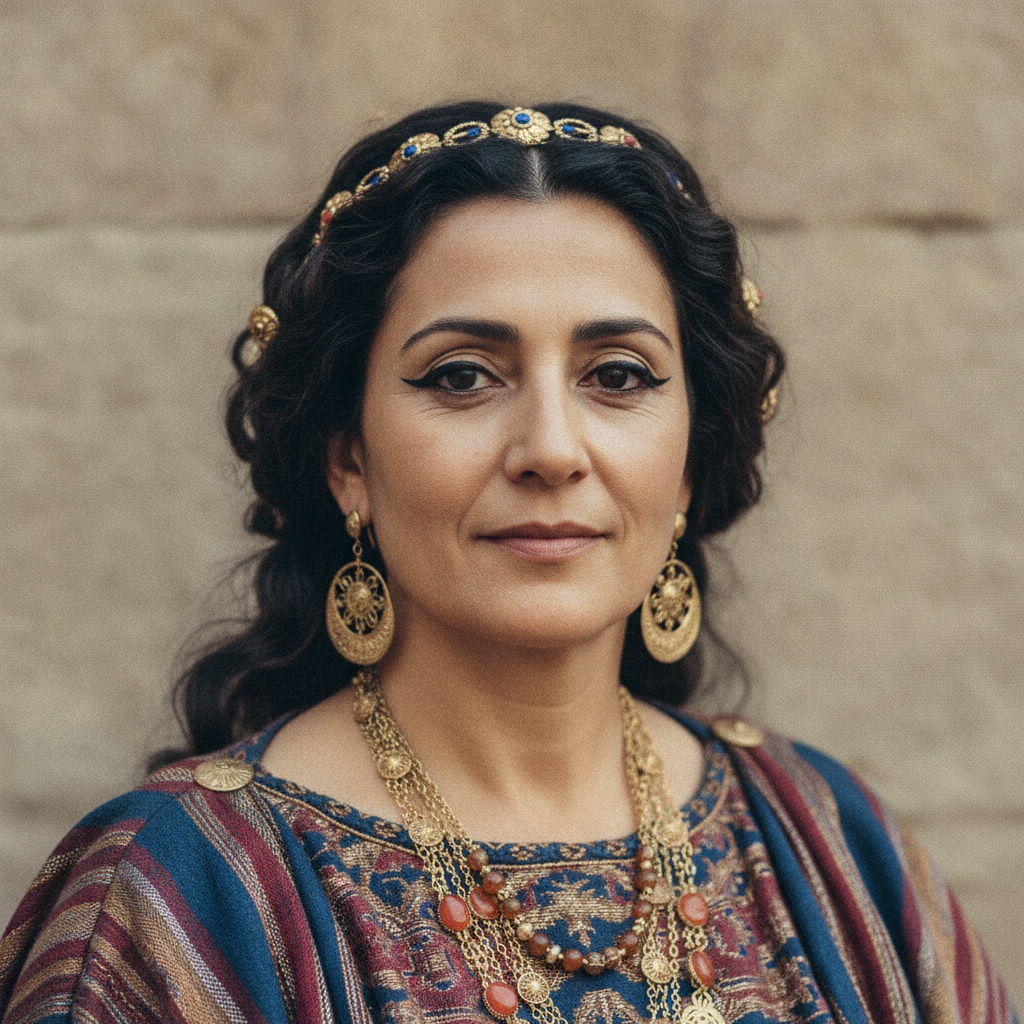
Jezebel
0–0 · Northern Kingdom of Israel / Sidon (Phoenicia)
A Phoenician-born queen of Israel (wife of Ahab) known from the Hebrew Bible for promoting Baal worship and for her Sidonian royal origin.
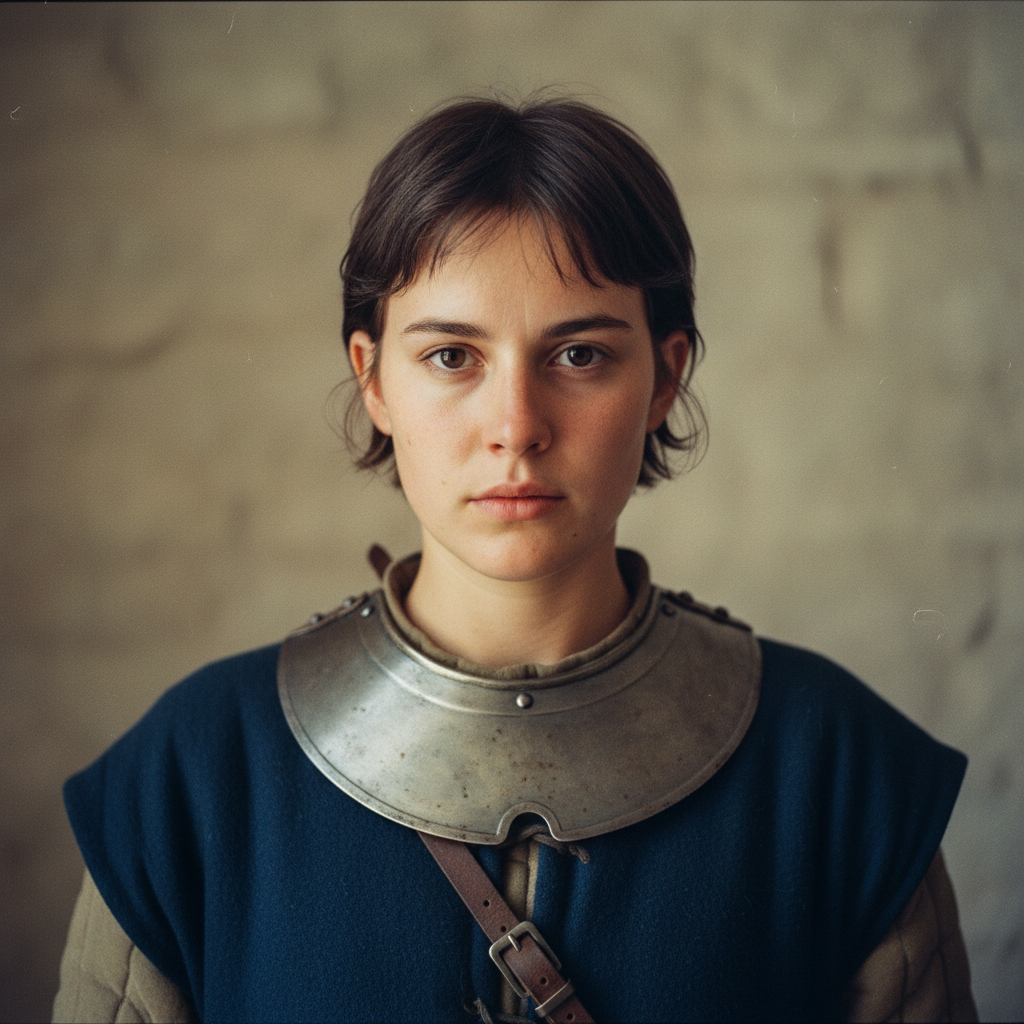
Joan of Arc
1412–1431 · Domrémy (northeastern France)
Joan of Arc was a French peasant woman who led troops in the Hundred Years' War and became a symbolic national heroine.
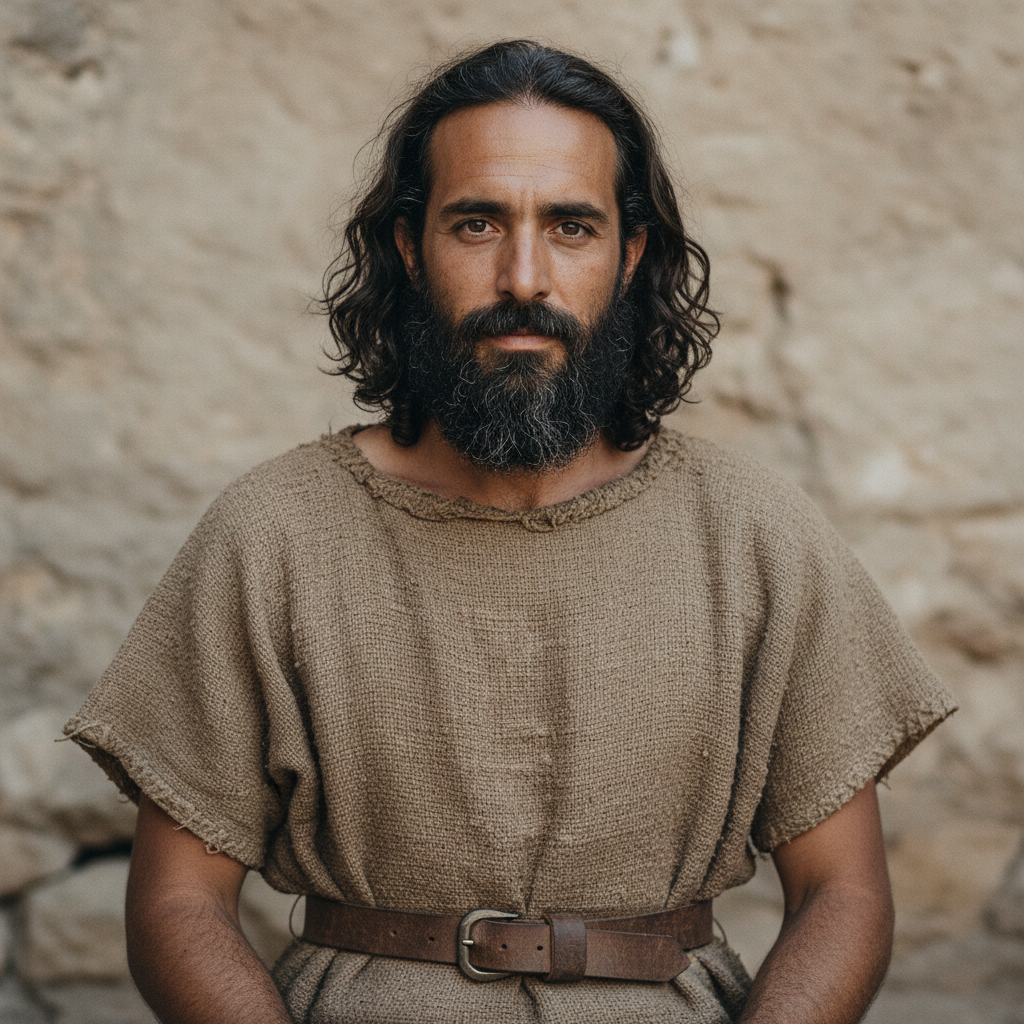
John the Baptist
0–0 · Judea / Galilee (Roman Palestine)
An itinerant Jewish prophetic preacher who baptized in the Jordan and lived as a wilderness ascetic.
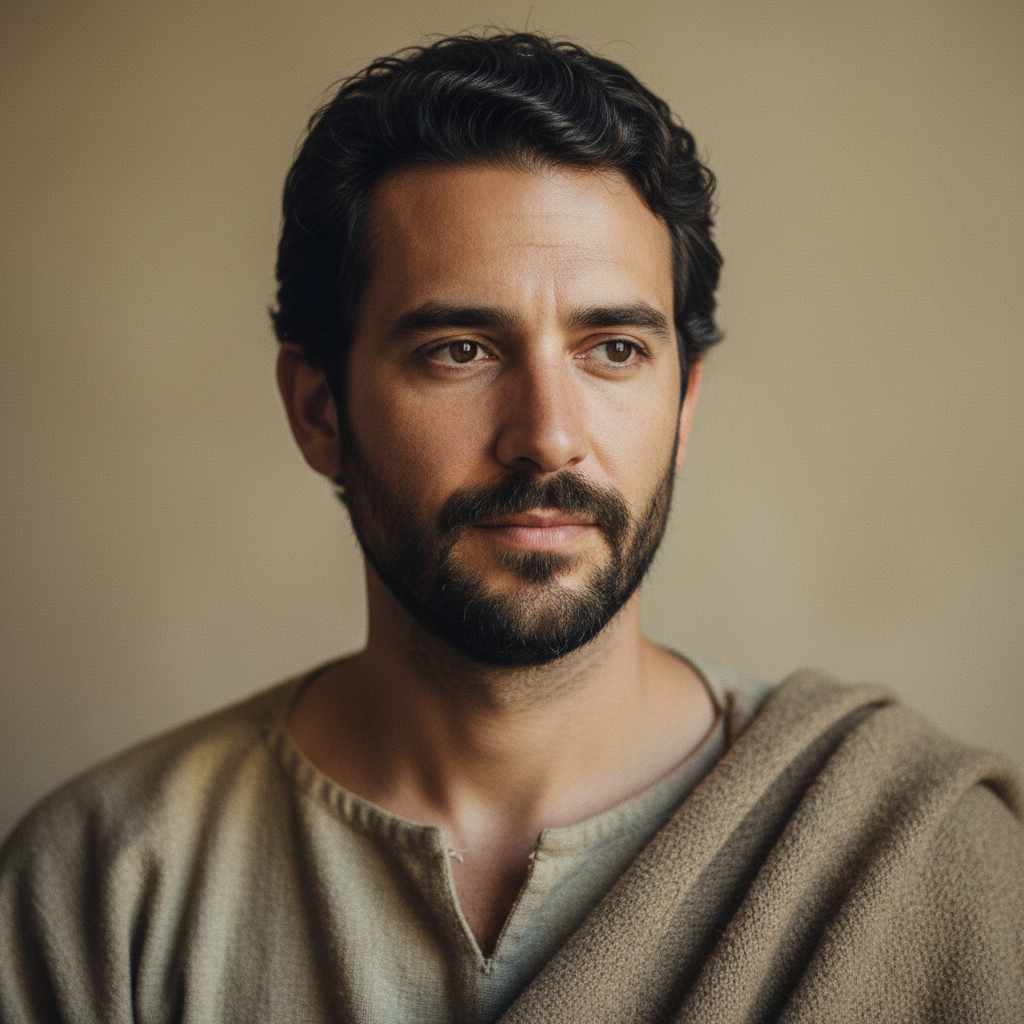
Judas Iscariot
0–0 · Judea / Galilee (Roman Palestine)
One of Jesus of Nazareth’s twelve disciples, traditionally identified as the man who betrayed Jesus.
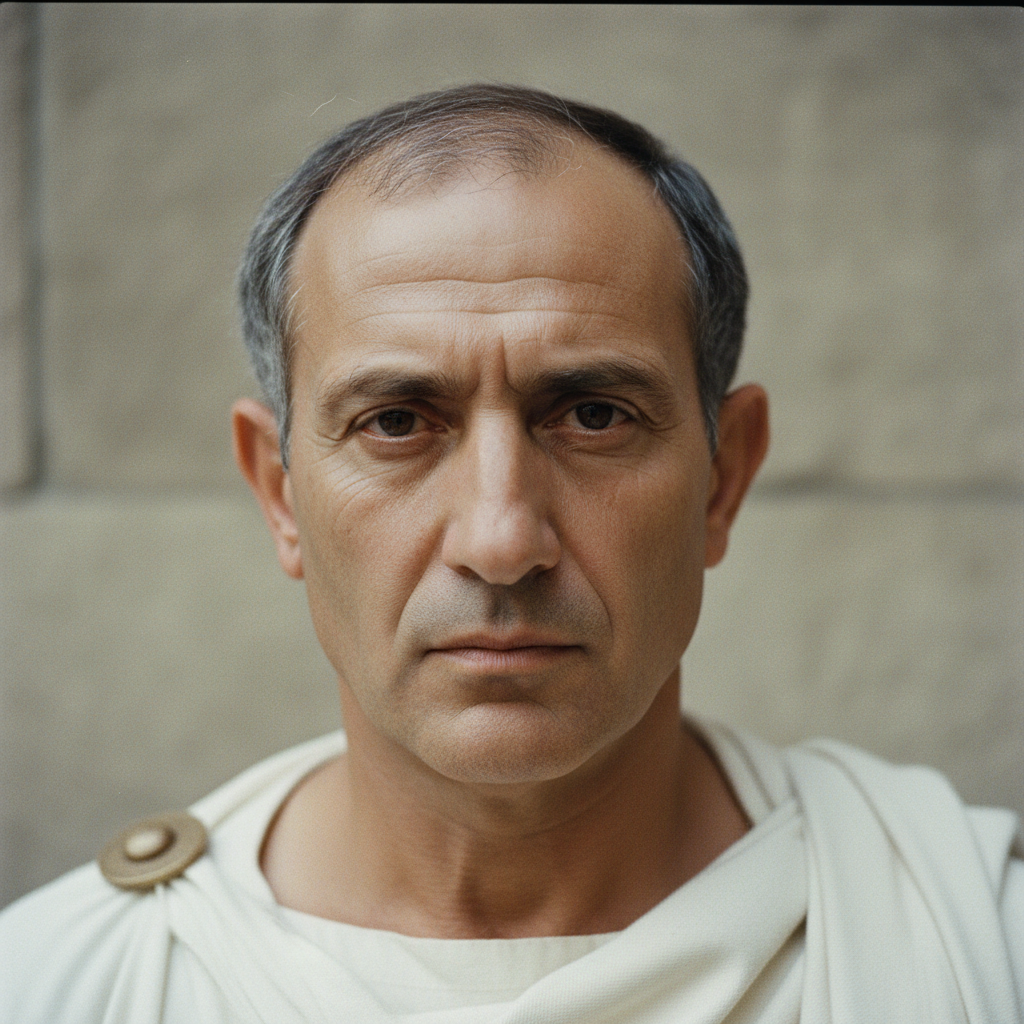
Julius Caesar
100 BCE–44 BCE · Roman Republic (Italy)
Gaius Julius Caesar, a leading Roman general and statesman whose life and image shaped the end of the Roman Republic.
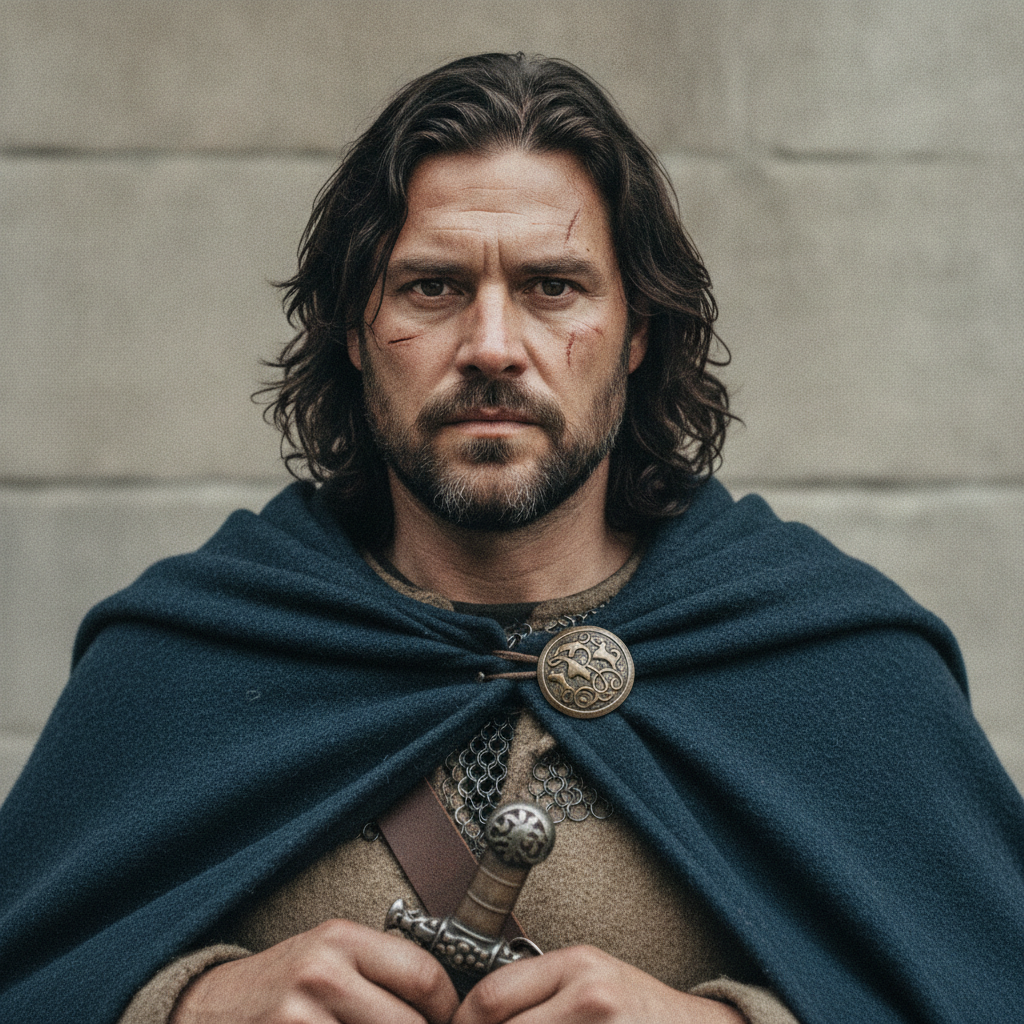
King Arthur
0–0 · Britain (traditionally western Britain/Wales, Cornwall)
Legendary leader of post‑Roman Britain remembered as a warrior‑king of the early medieval British world.

King David
0–0 · Kingdom of Israel (ancient Levant; Judah/Israel)
King David — the biblical shepherd-turned-king of Israel, celebrated as a warrior, poet (Psalms), and the founder of a royal line.
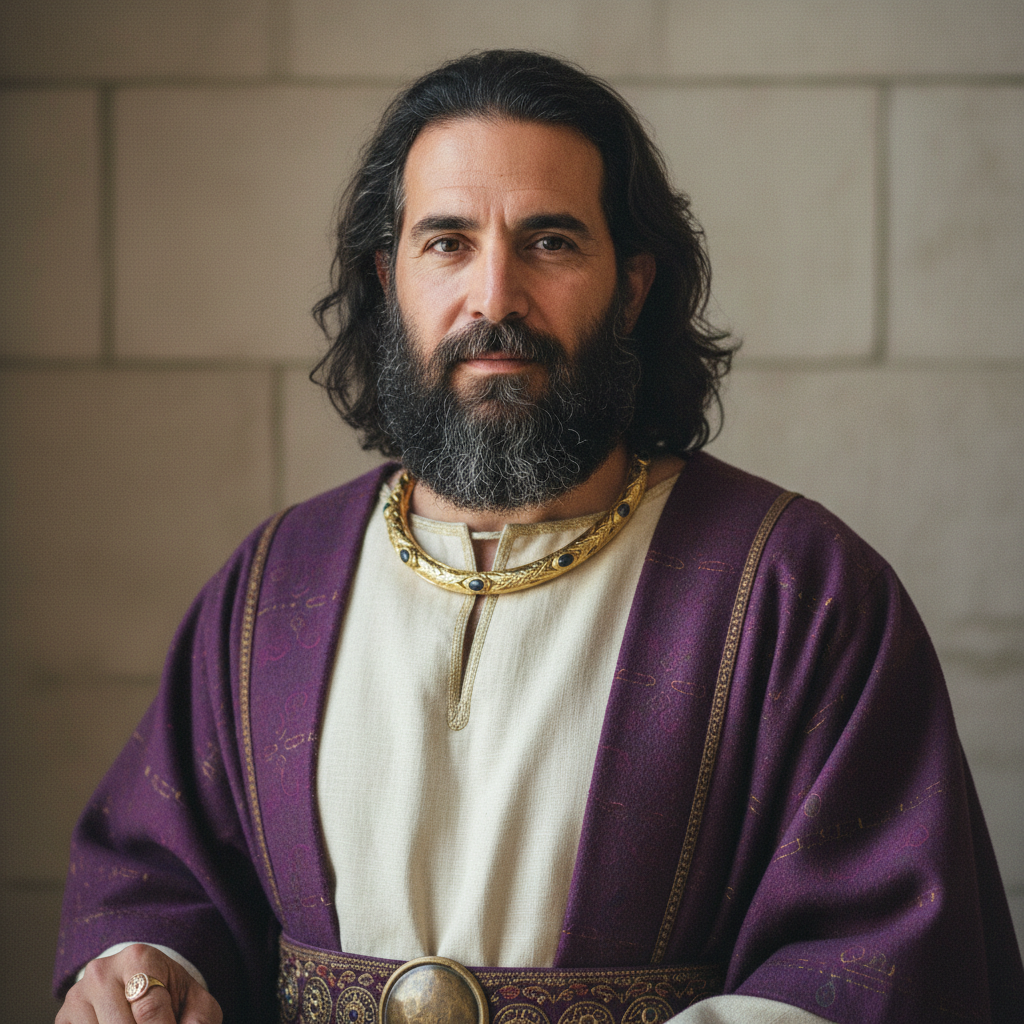
King Solomon
0–0 · Ancient Israel / Southern Levant
Biblical King of Israel famous for wisdom, wealth and monumental building projects.
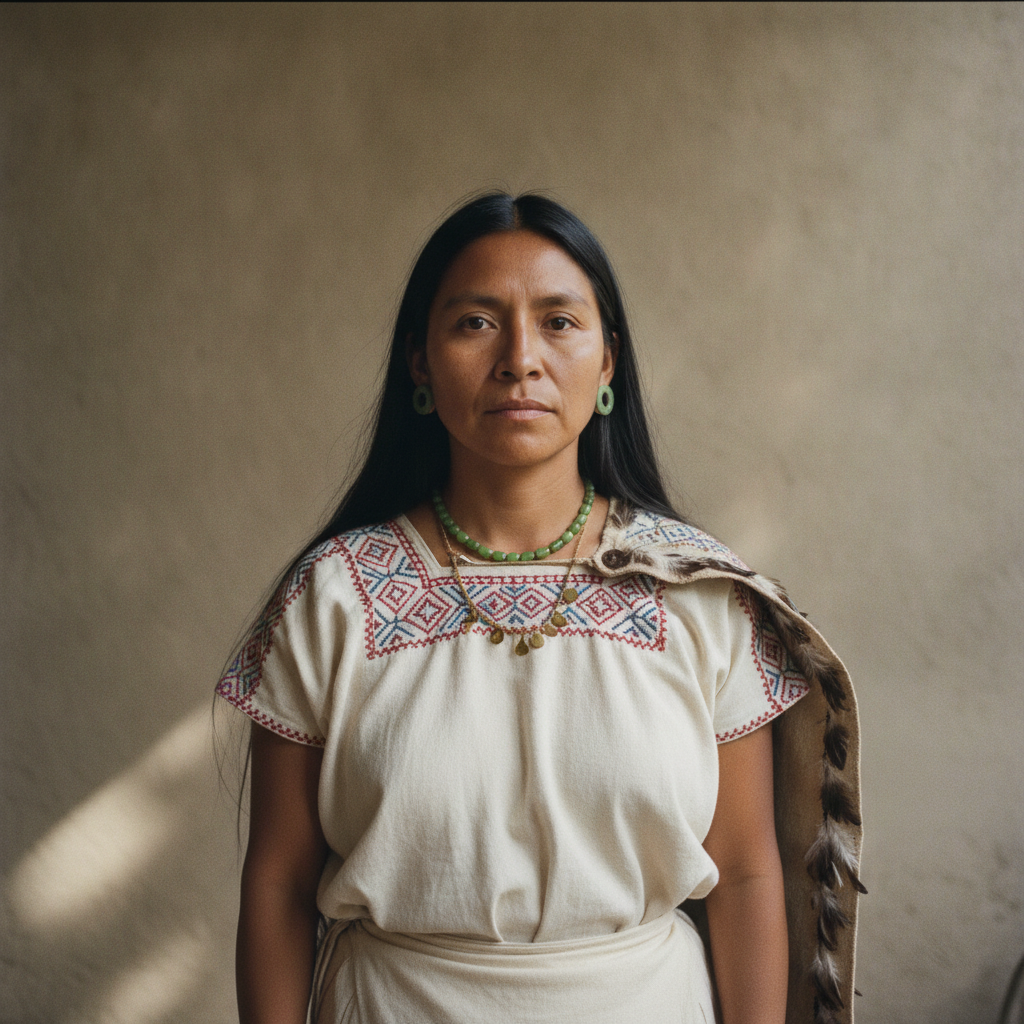
La Malinche
1496–1529 · Gulf Coast of Mexico (present-day Veracruz) and central Mexico (Tenochtitlán/ Mexico City)
Malintzin (La Malinche, Doña Marina) was a Nahuatl-speaking Indigenous woman who served as interpreter, advisor, and cultural intermediary for Hernán Cortés during the Spanish conquest of the Aztec Empire.
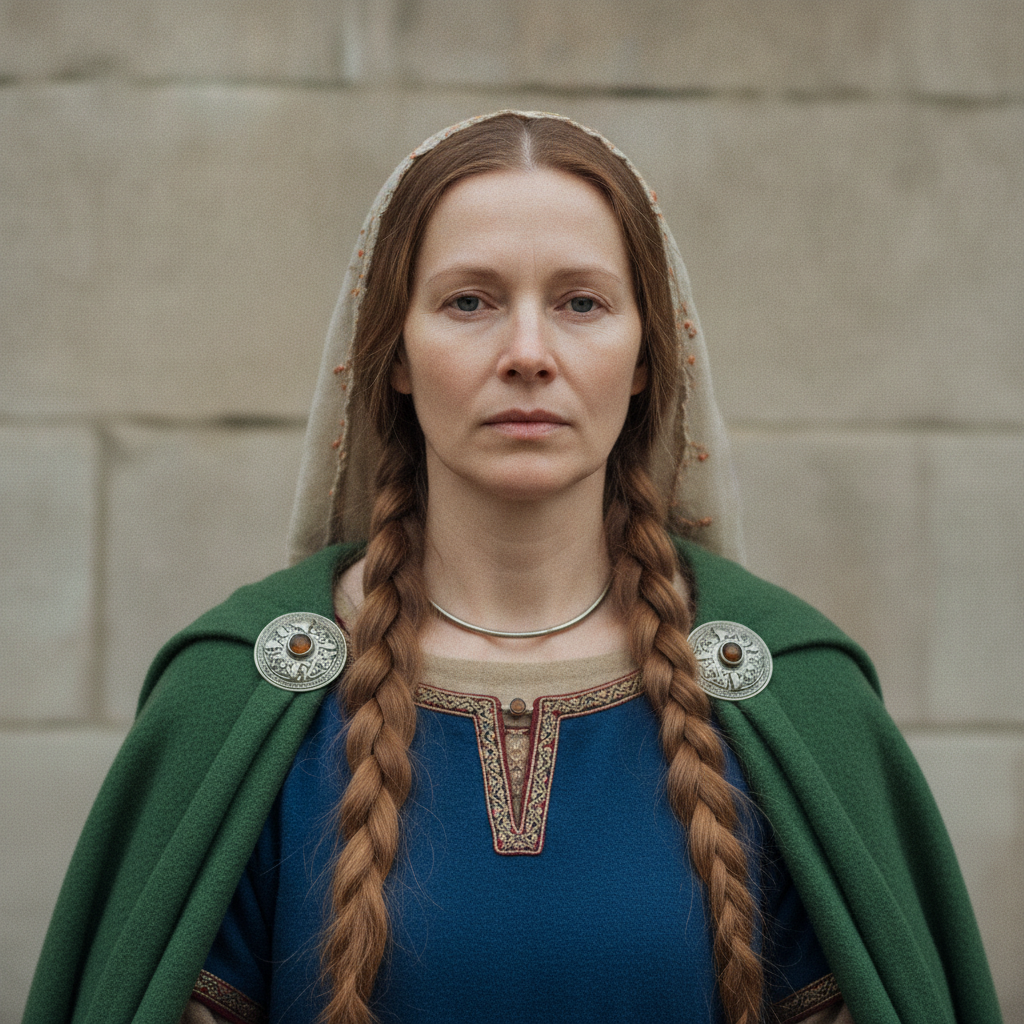
Lady Godiva
0–0 · Mercia / Coventry, England
11th‑century Anglo‑Saxon noblewoman of Mercia, wife of Earl Leofric and the central figure in the Lady Godiva legend.
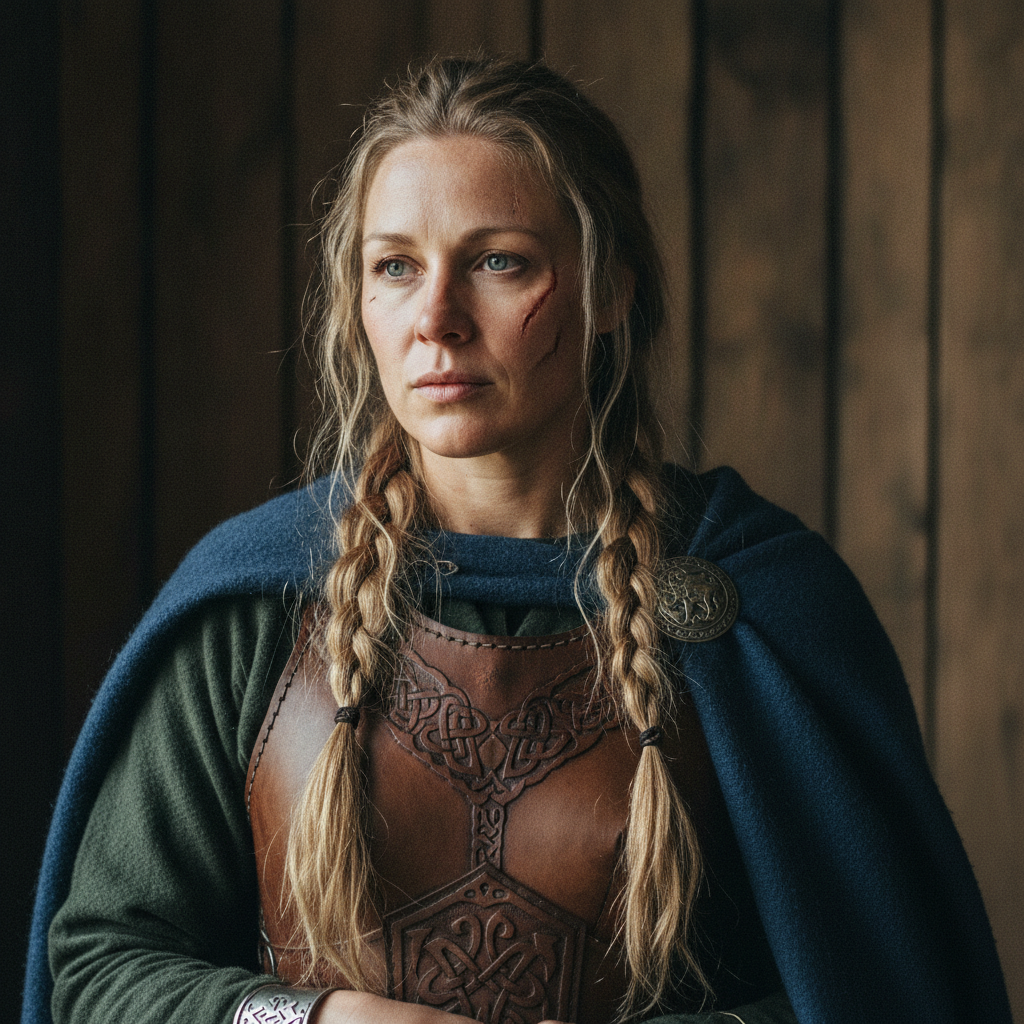
Lagertha
0–0 · Scandinavia (traditionally Denmark / Norway)
Lagertha is a legendary Viking shieldmaiden and ruler in medieval Scandinavian tradition, celebrated as a fierce warrior and leader.
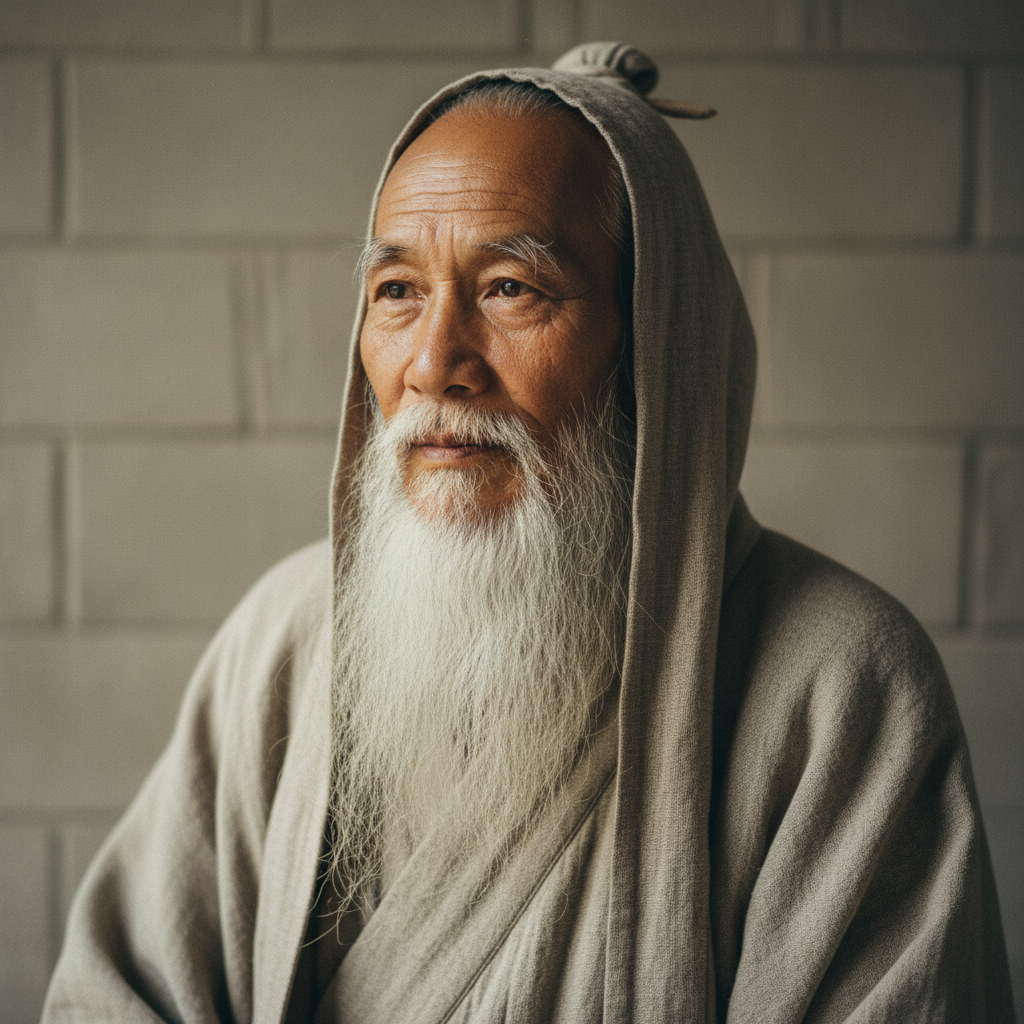
Laozi
0–0 · Northern China (traditionally Henan / Zhou cultural area)
Laozi — the ‘Old Master’ credited with the Dao De Jing — traditionally pictured as an elderly, bearded Chinese sage in simple scholar’s robes.
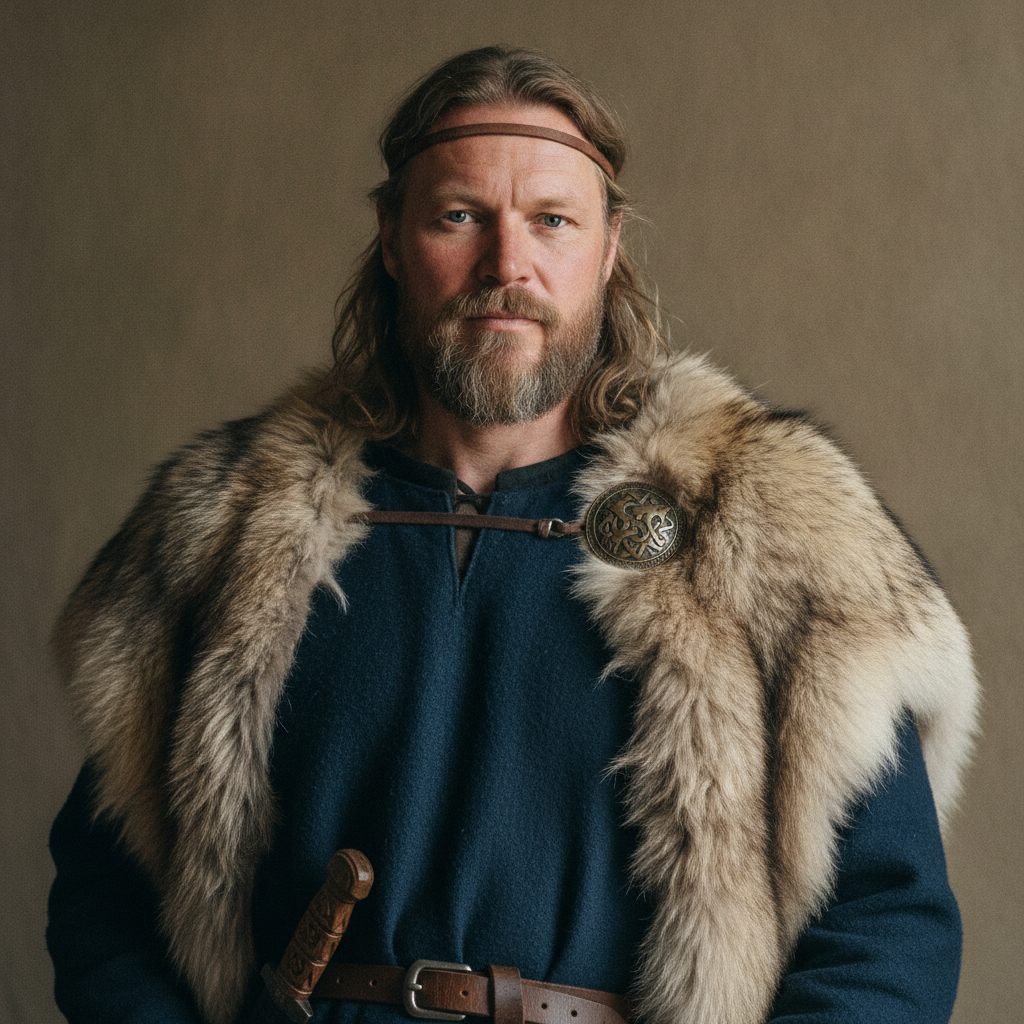
Leif Erikson
970–1020 · Norse Greenland / Iceland / Norway
Leif Erikson was a Norse explorer, son of Erik the Red, credited in the sagas with leading one of the first Norse voyages to North America (Vinland).
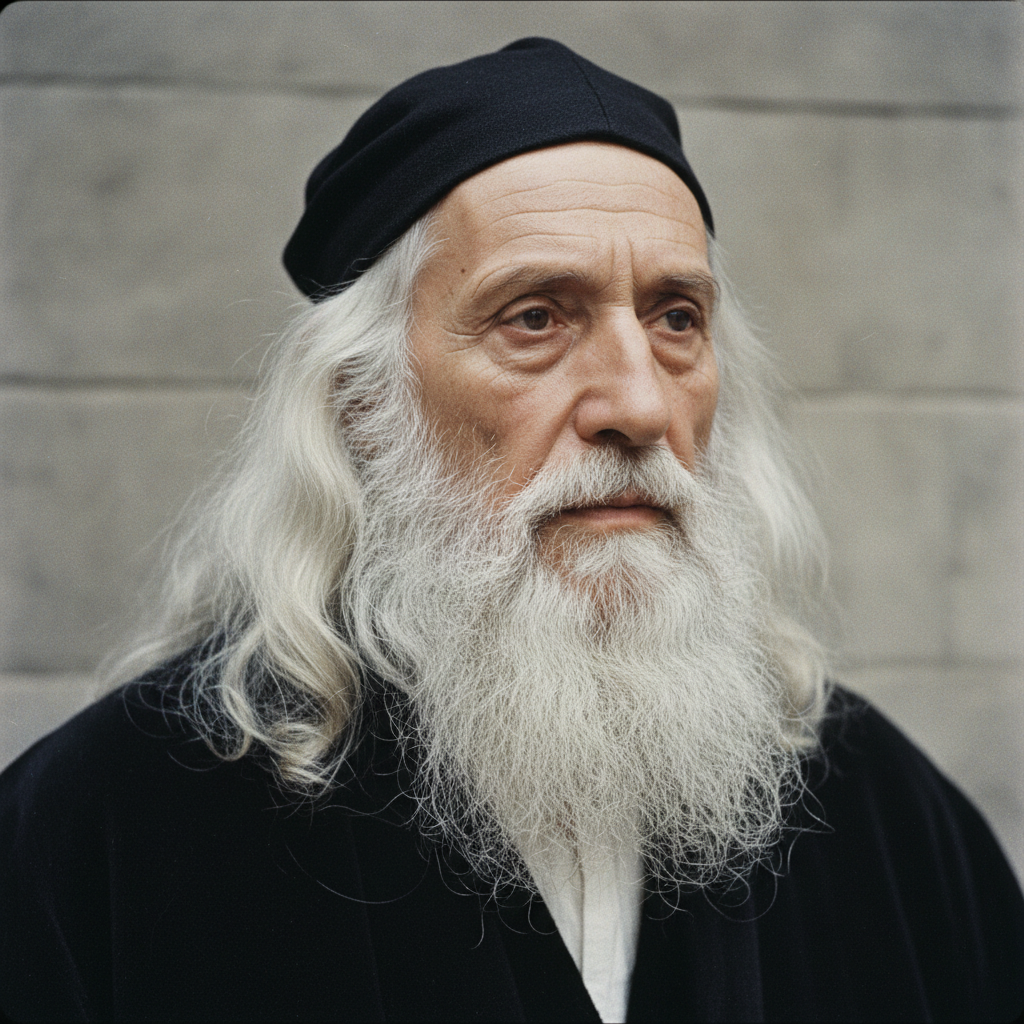
Leonardo da Vinci
1452–1519 · Vinci / Florence (Republic of Florence)
Leonardo da Vinci, the Italian Renaissance polymath best known as a painter, inventor, and scientist.
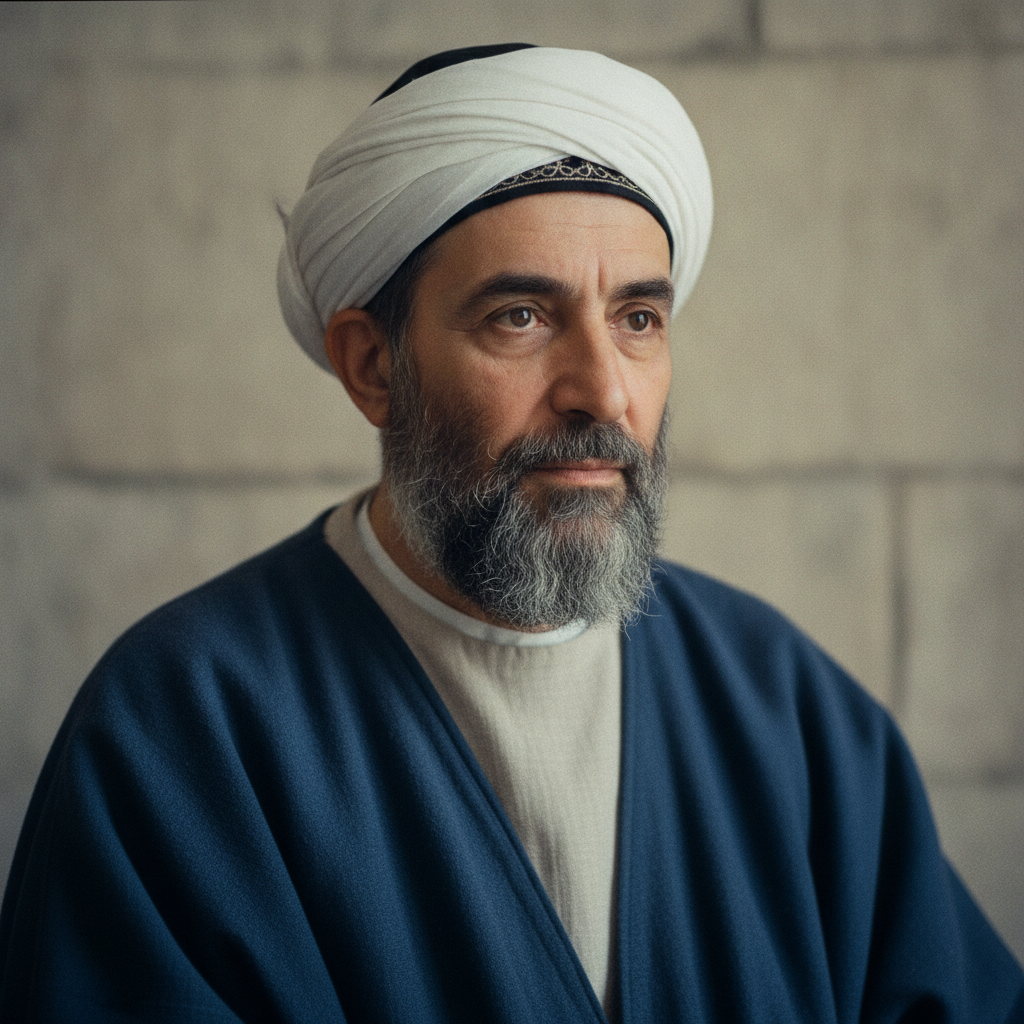
Maimonides
1135–1204 · Born in Córdoba (al-Andalus); lived in Fez, Damietta/Fustat (Egypt)
Moses ben Maimon (Maimonides, the Rambam) was a leading medieval Jewish rabbi, physician, and philosopher active in 12th‑century al‑Andalus and Egypt.
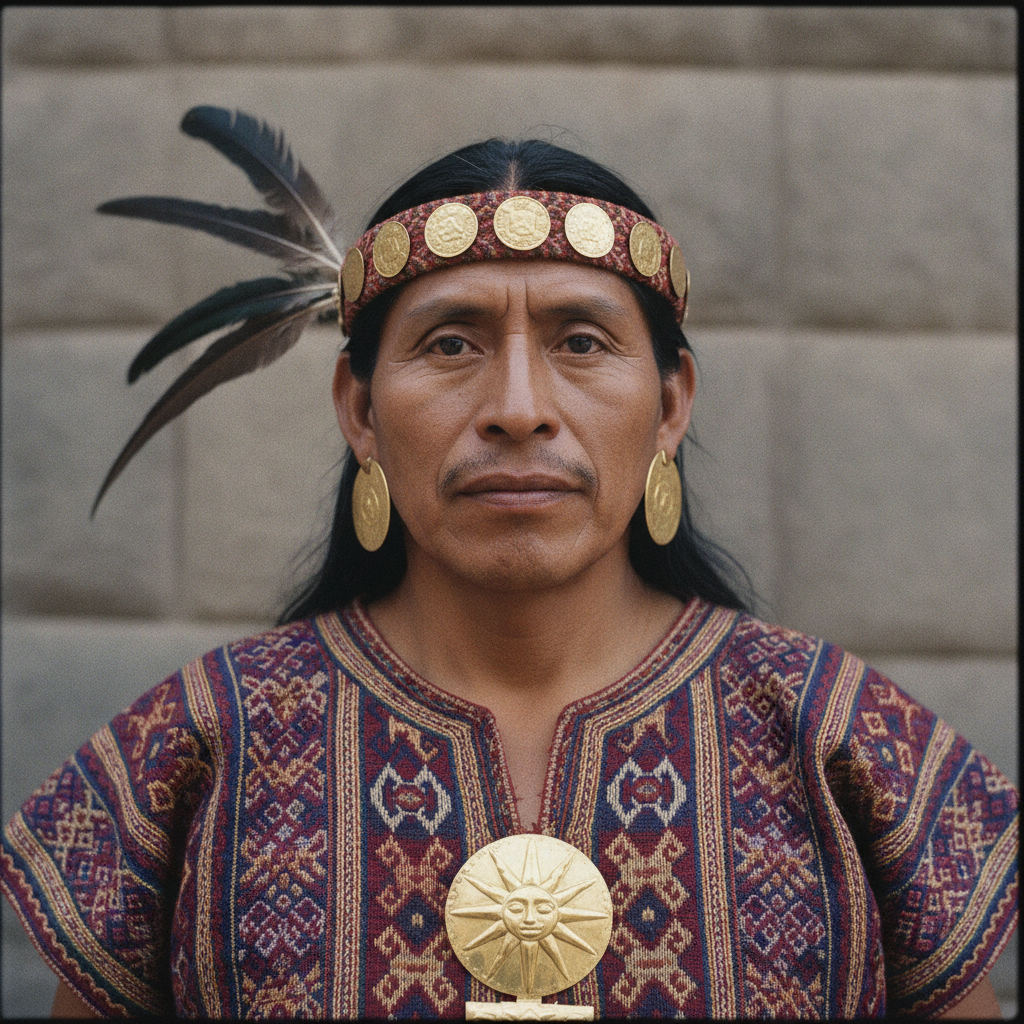
Manco Capac
0–0 · Cusco region, central Andes (modern Peru)
Mythic founder of the Inca dynasty, remembered in Andean chronicles as the first royal leader who established Cusco and Inca rulership.
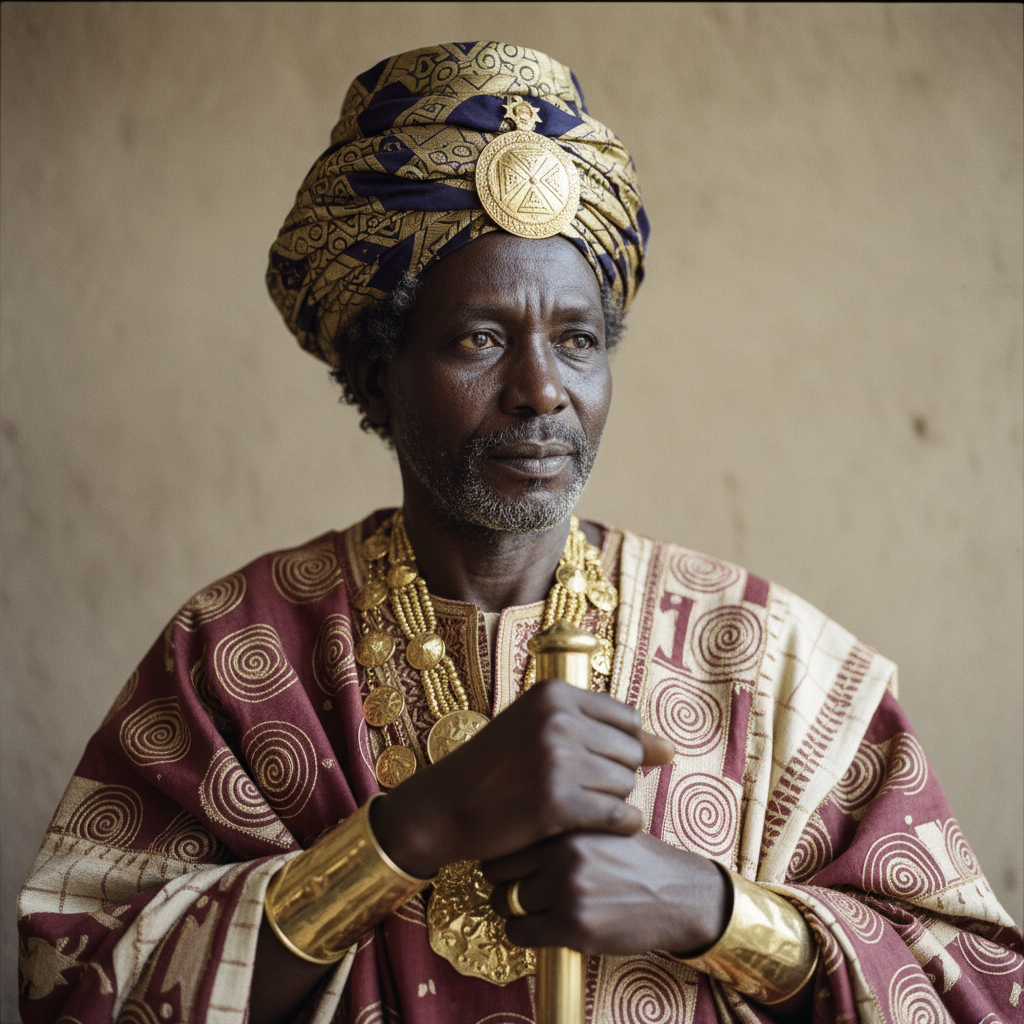
Mansa Musa
0–0 · Mali Empire (West Africa)
Mansa Musa was the 14th-century ruler of the Mali Empire, famed for his wealth and his 1324 pilgrimage to Mecca.
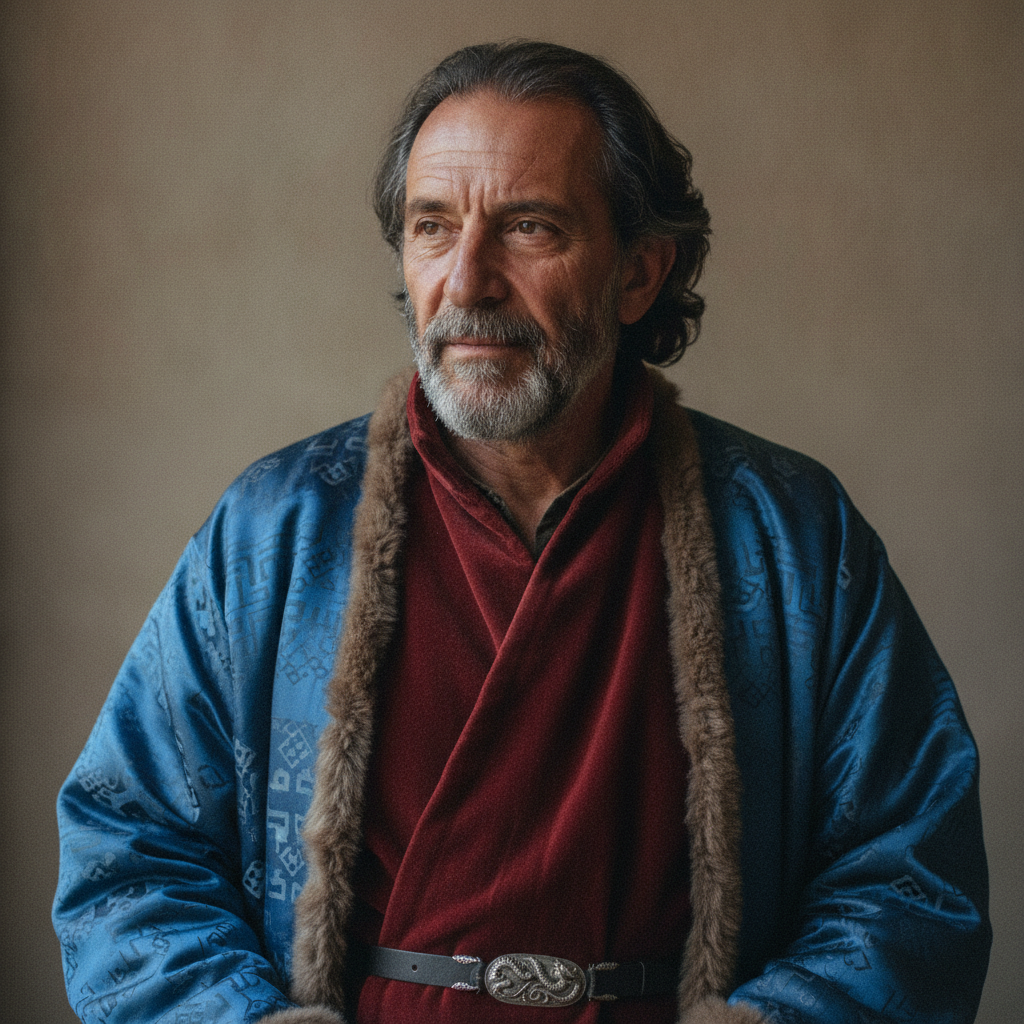
Marco Polo
1254–1324 · Republic of Venice (traveller to Yuan China)
Venetian merchant and traveller whose accounts popularized knowledge of Asia in Europe.
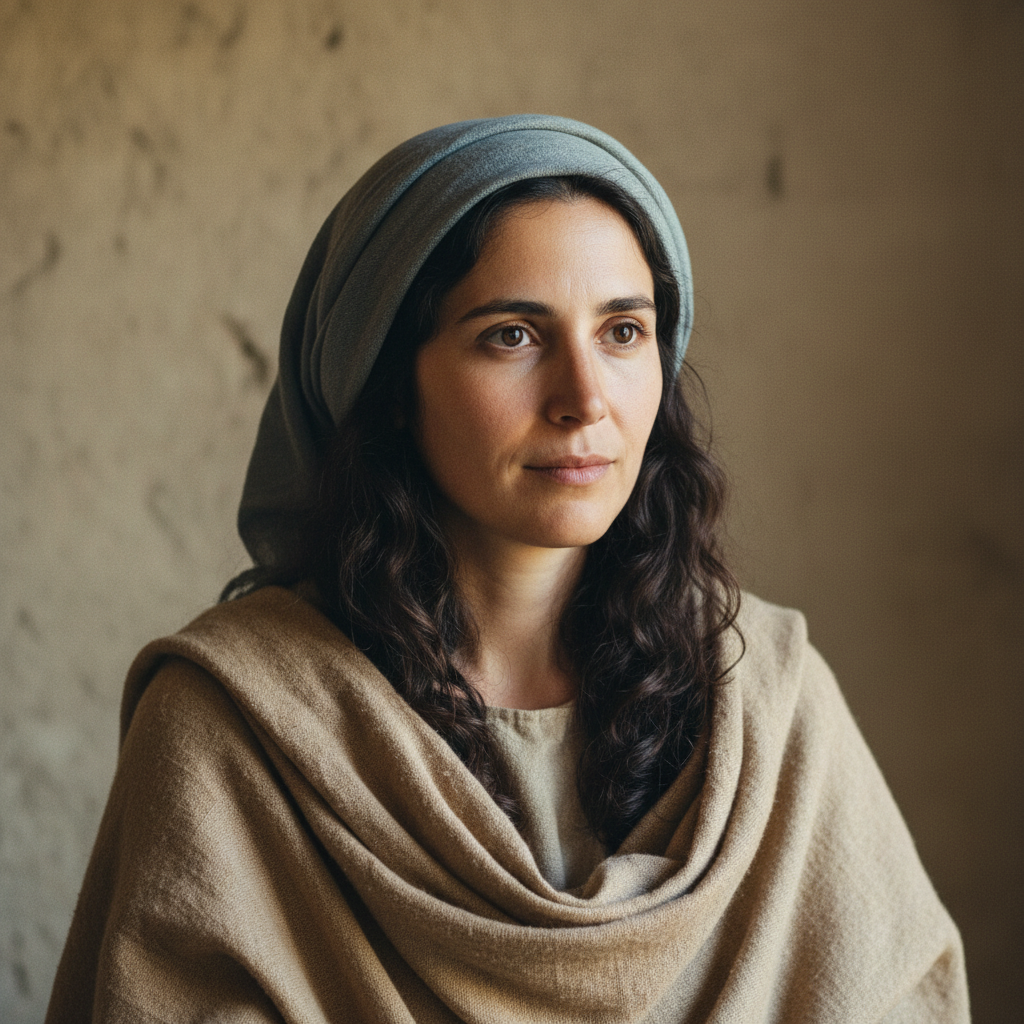
Mary Magdalene
0–0 · Magdala / Galilee (Roman Judea)
A Galilean Jewish woman best known in the New Testament as a close follower of Jesus and the first witness to the resurrection.
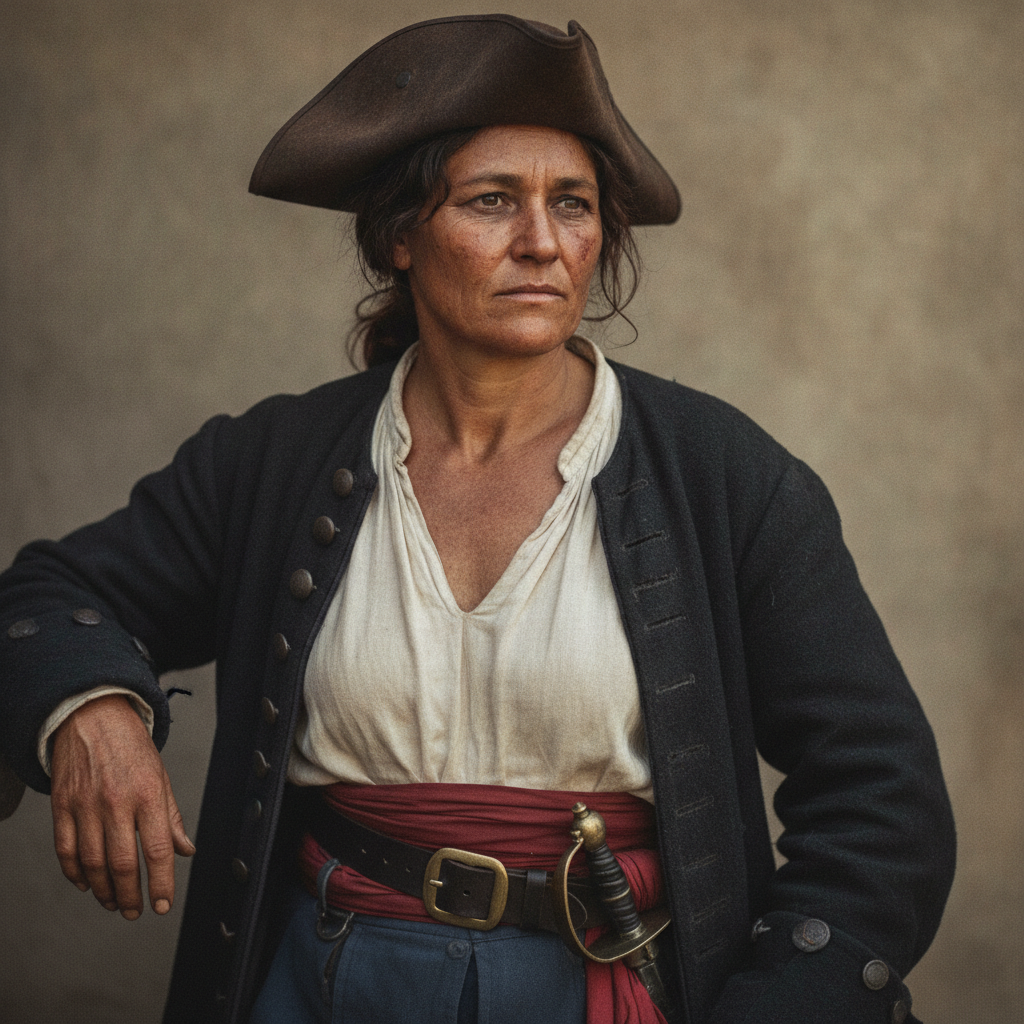
Mary Read
1685–1721 · English (active in Caribbean)
Mary Read was an English pirate who sailed with Calico Jack Rackham and Anne Bonny and was tried in Jamaica in 1720–1721.
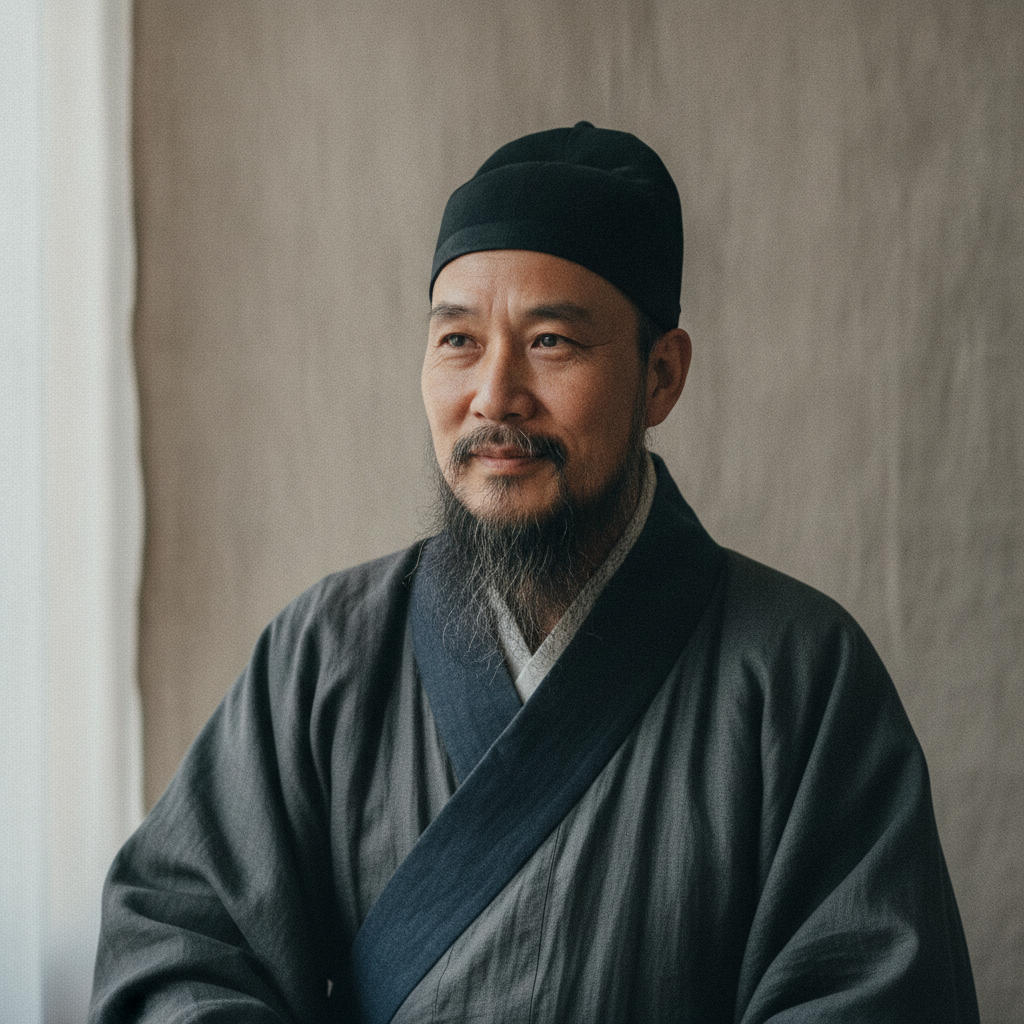
Mencius
372 BCE–289 BCE · State of Zou (modern Shandong), northern China
Warring-States Confucian philosopher and key interpreter of Confucian moral teaching.
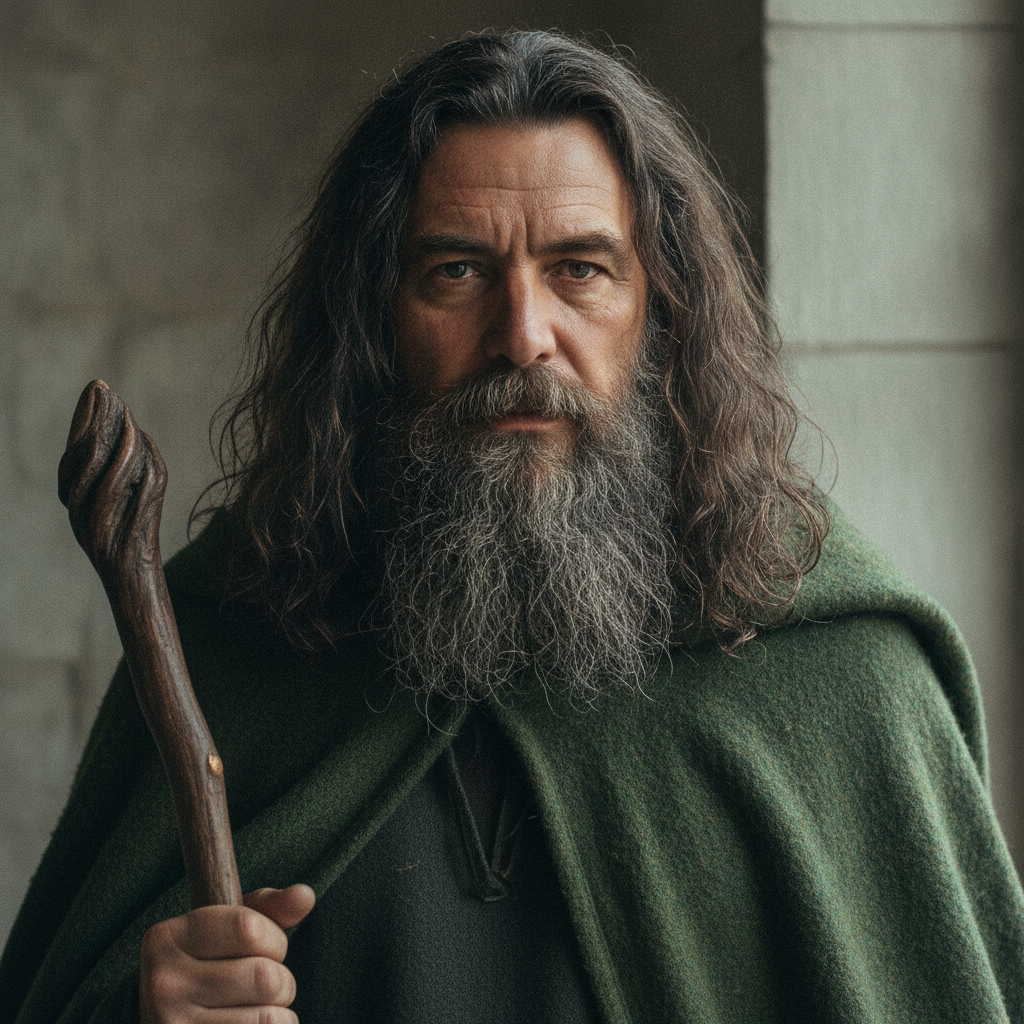
Merlin
0–0 · Britain (Brittonic/Arthurian tradition)
Merlin is the composite legendary advisor-prophet of the Arthurian cycle—portrayed as a commanding, bearded Brittonic elder and magician.
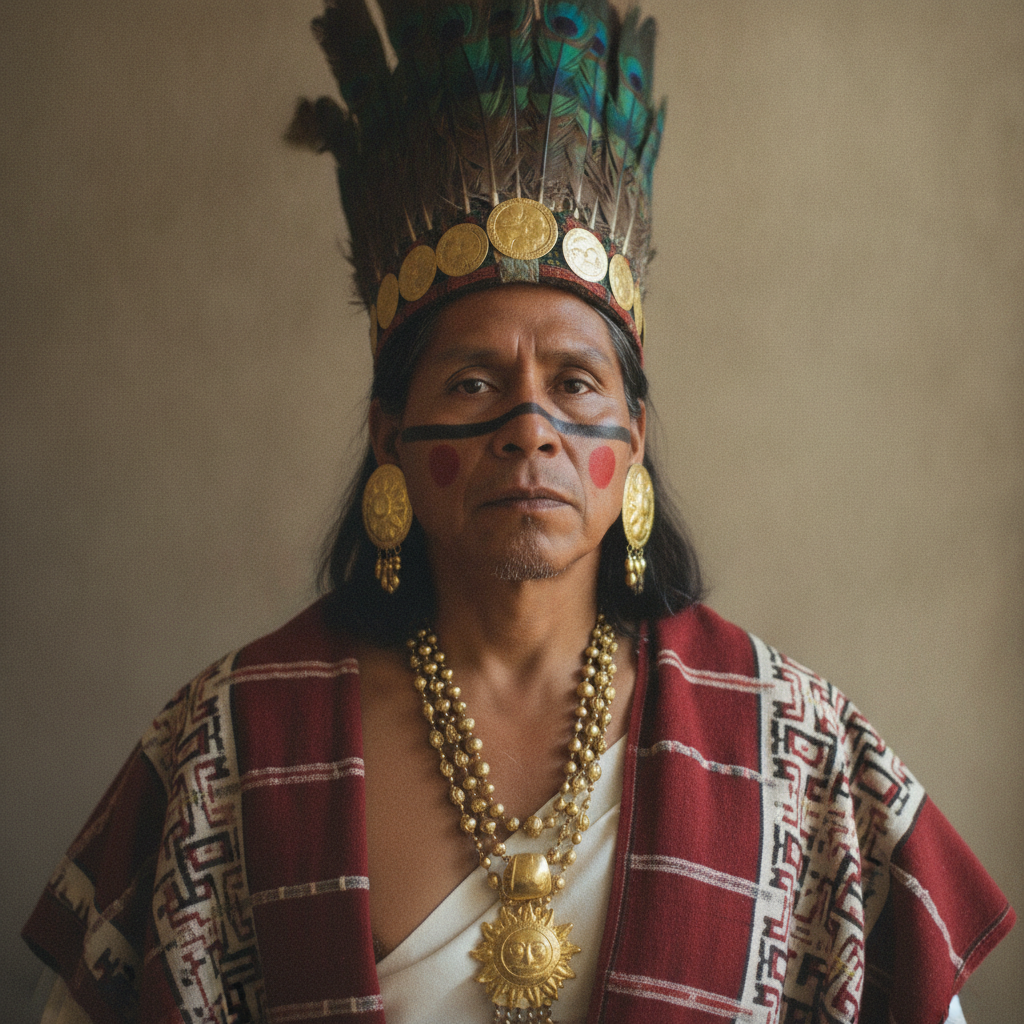
Montezuma II
1466–1520 · Tenochtitlan, Aztec Empire (Central Mexico)
Montezuma II (Moctezuma II) was the Aztec emperor who ruled Tenochtitlan during the first contacts with Hernán Cortés and the Spanish (reigned 1502–1520).
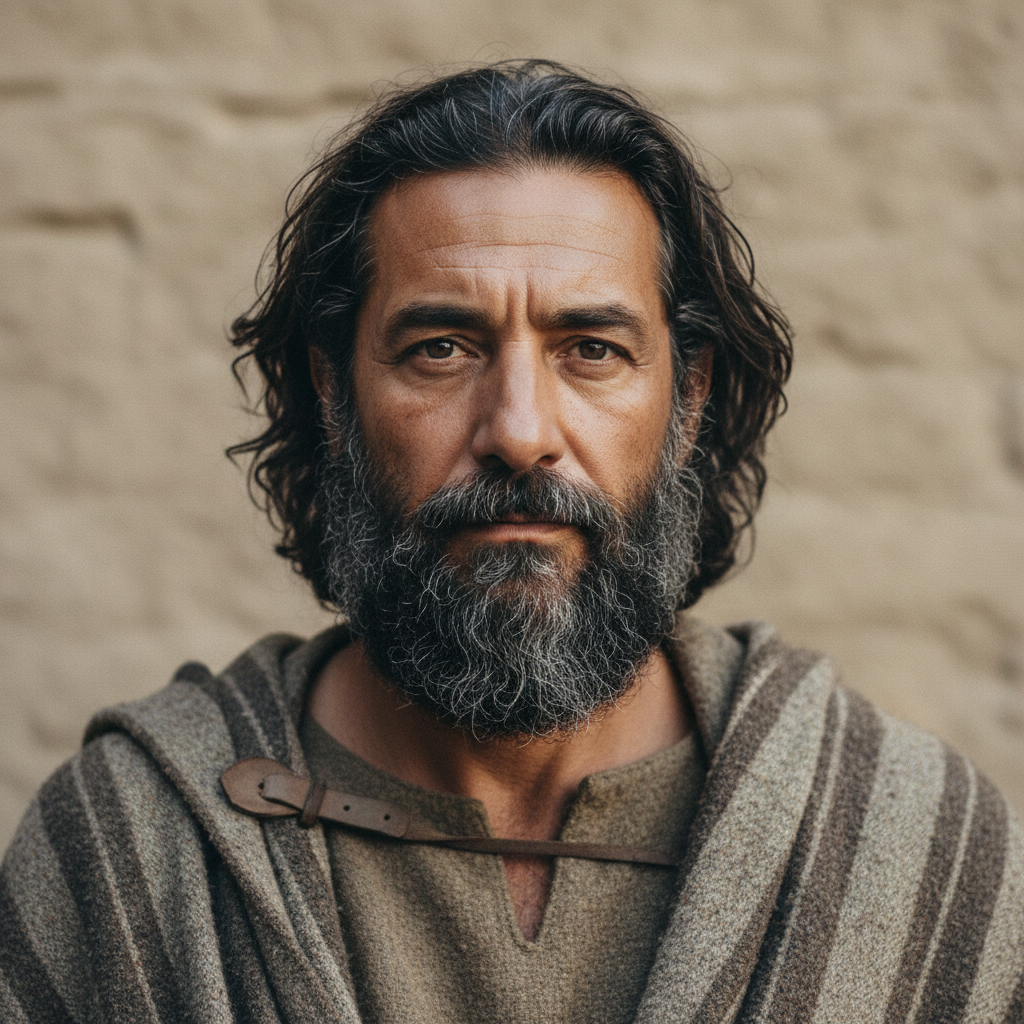
Moses
0–0 · Lev ant / Egypt
Central prophetic leader of the Israelites traditionally associated with leading the Exodus from Egypt and receiving the Torah on Mount Sinai.
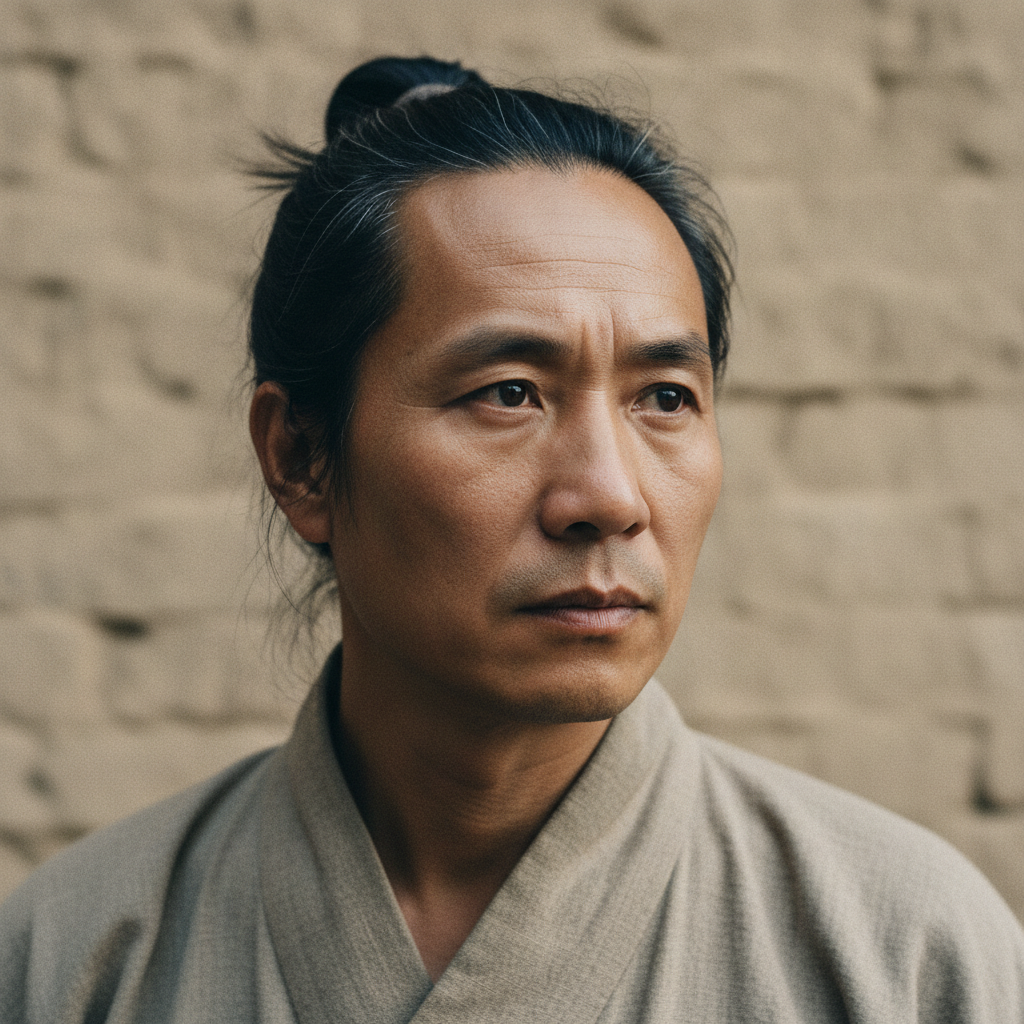
Mozi
470 BCE–391 BCE · Central-Eastern China (traditionally the State of Lu)
Mozi (墨子) was a Warring States–era Chinese philosopher and teacher who founded the school of Mohism, advocating universal love and practical frugality.

Mulan
0–0 · Northern China (traditional setting)
Hua Mulan — legendary Chinese woman who took her father's place in the army, known from the Ballad of Mulan and later dramatic retellings.
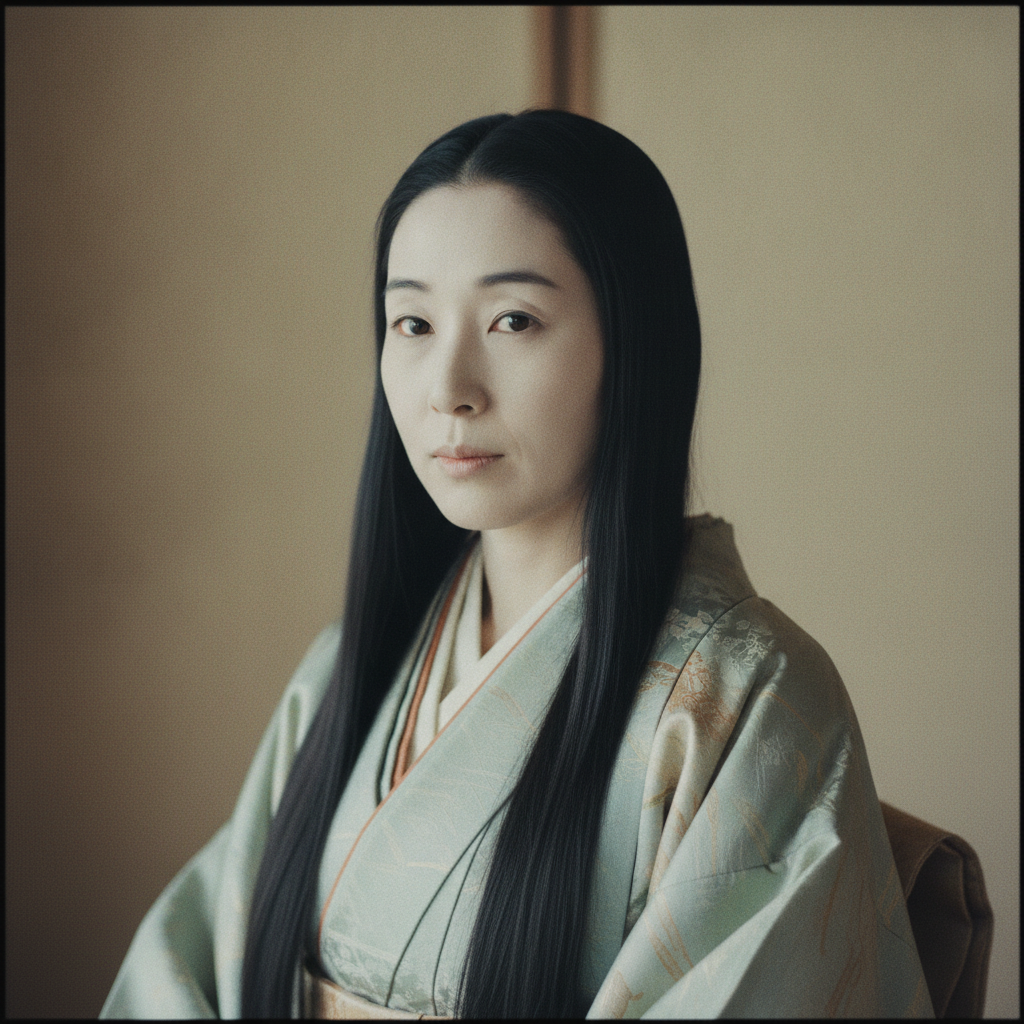
Murasaki Shikibu
0–0 · Heian-kyō (modern Kyoto), Japan
A Heian-period court lady and author of The Tale of Genji, famed for her literary skill and court service.
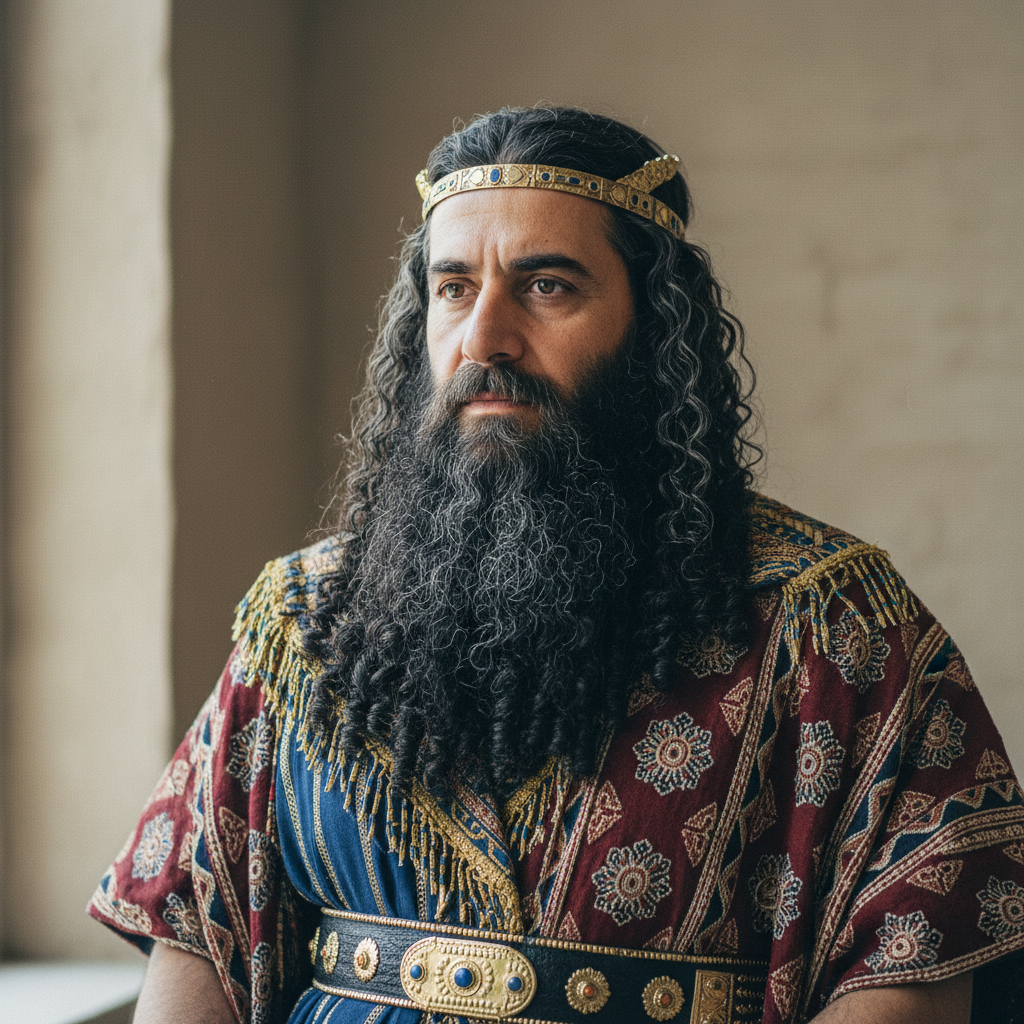
Nebuchadnezzar II
634 BCE–562 BCE · Babylon (Mesopotamia; modern Iraq)
Nebuchadnezzar II was the powerful 7th–6th century BCE king of Babylon known for grand building projects and military campaigns.
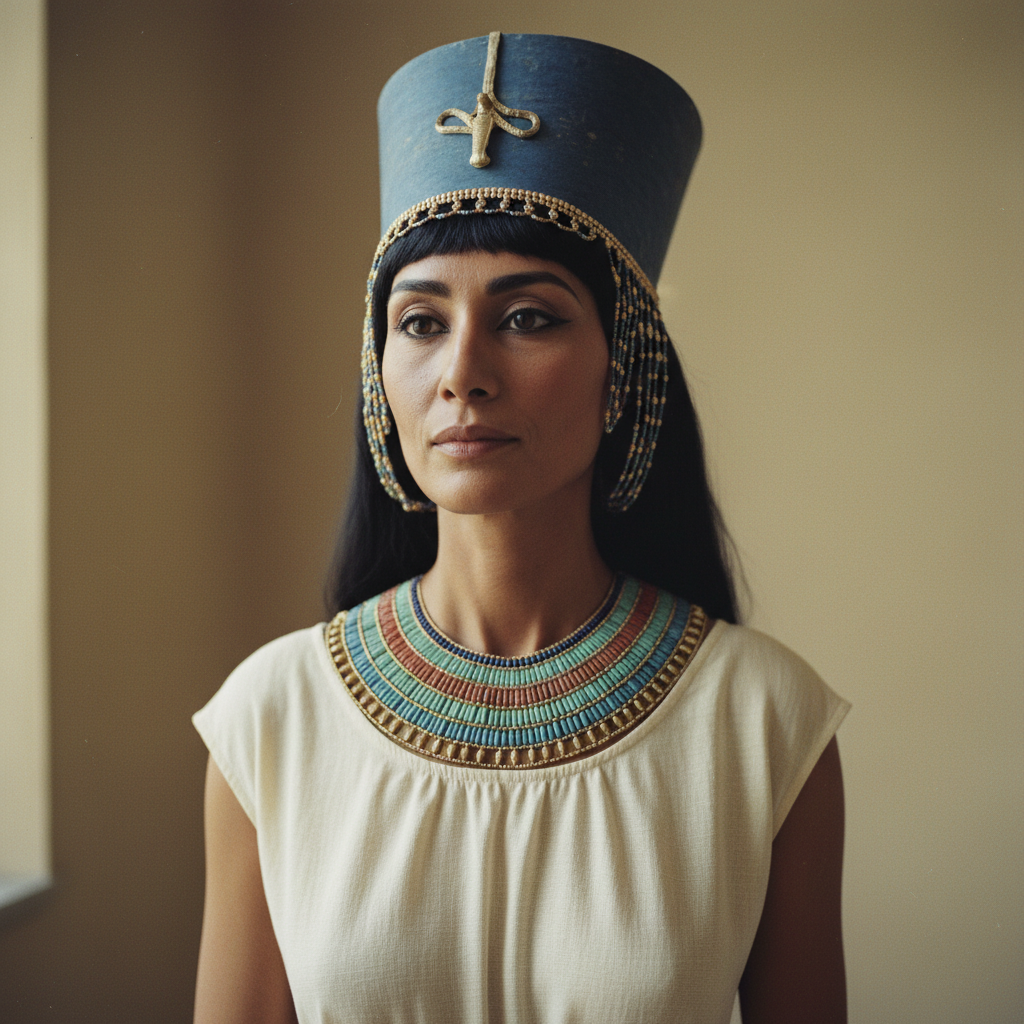
Nefertiti
0–0 · Ancient Egypt (Akhetaten / Thebes)
Nefertiti was the influential Great Royal Wife of Akhenaten, famed for her iconic painted limestone bust and prominent role in the Amarna court.
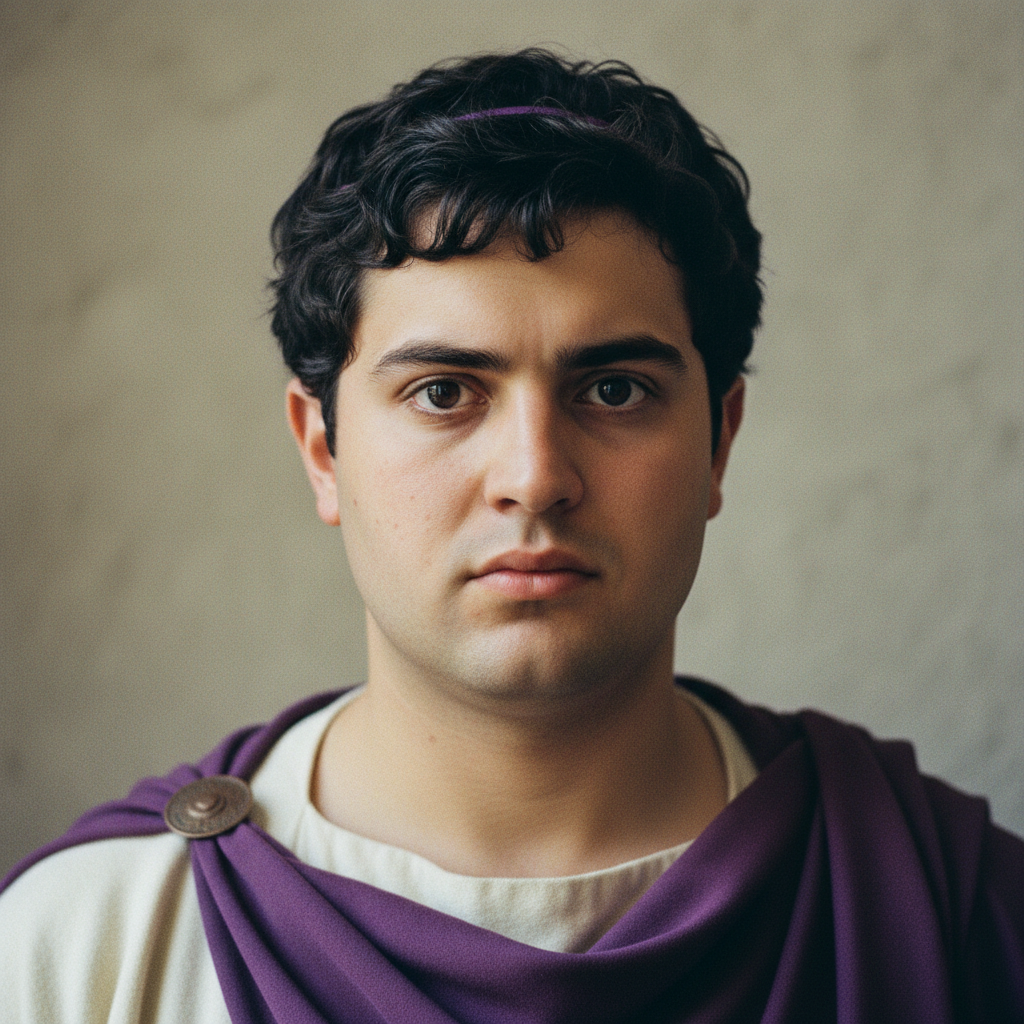
Nero
37–68 · Rome / Italy
Nero Claudius Caesar Augustus Germanicus — Roman emperor (54–68 CE) known for his youth, public performances, and strong visual presence in portraits and coins.
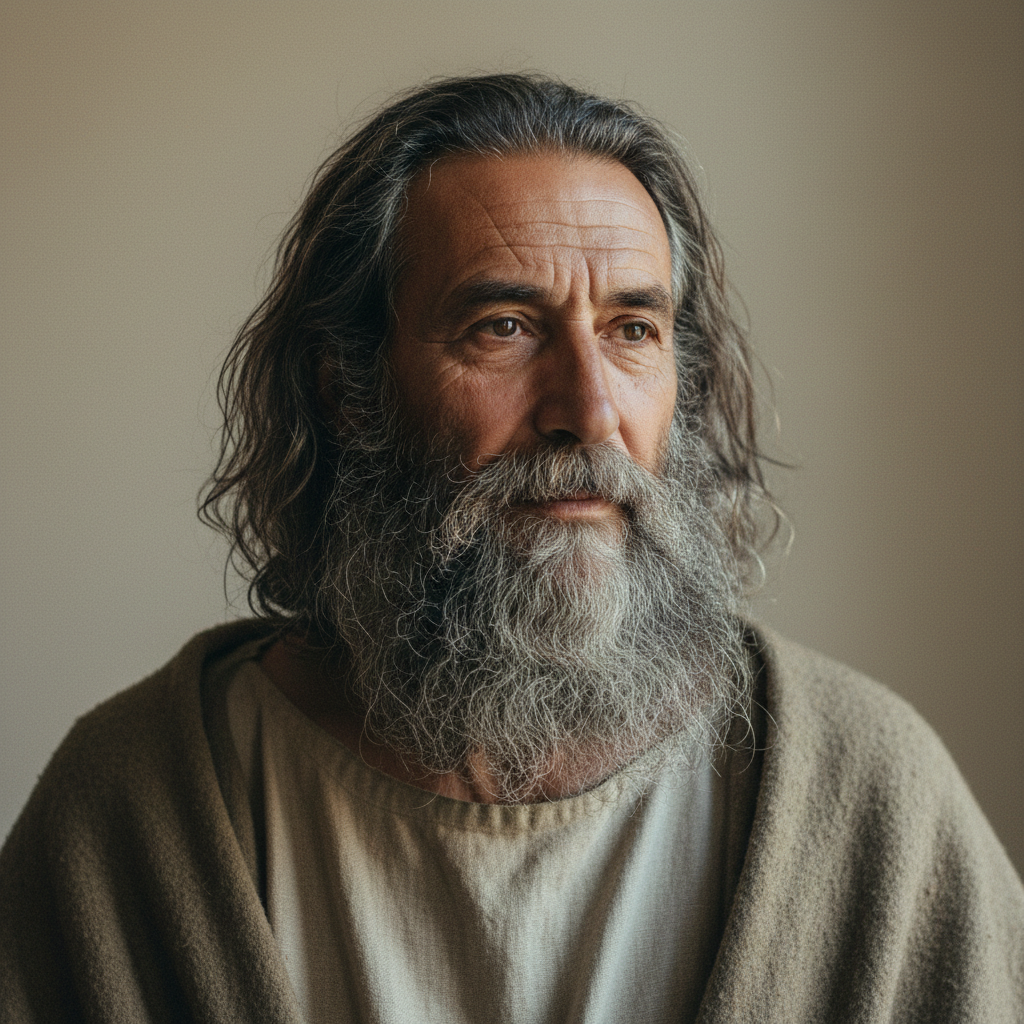
Noah
0–0 · Ancient Near East (Mesopotamia / Levant context)
Noah — the antediluvian patriarch from Genesis credited with building the Ark and surviving the Flood.
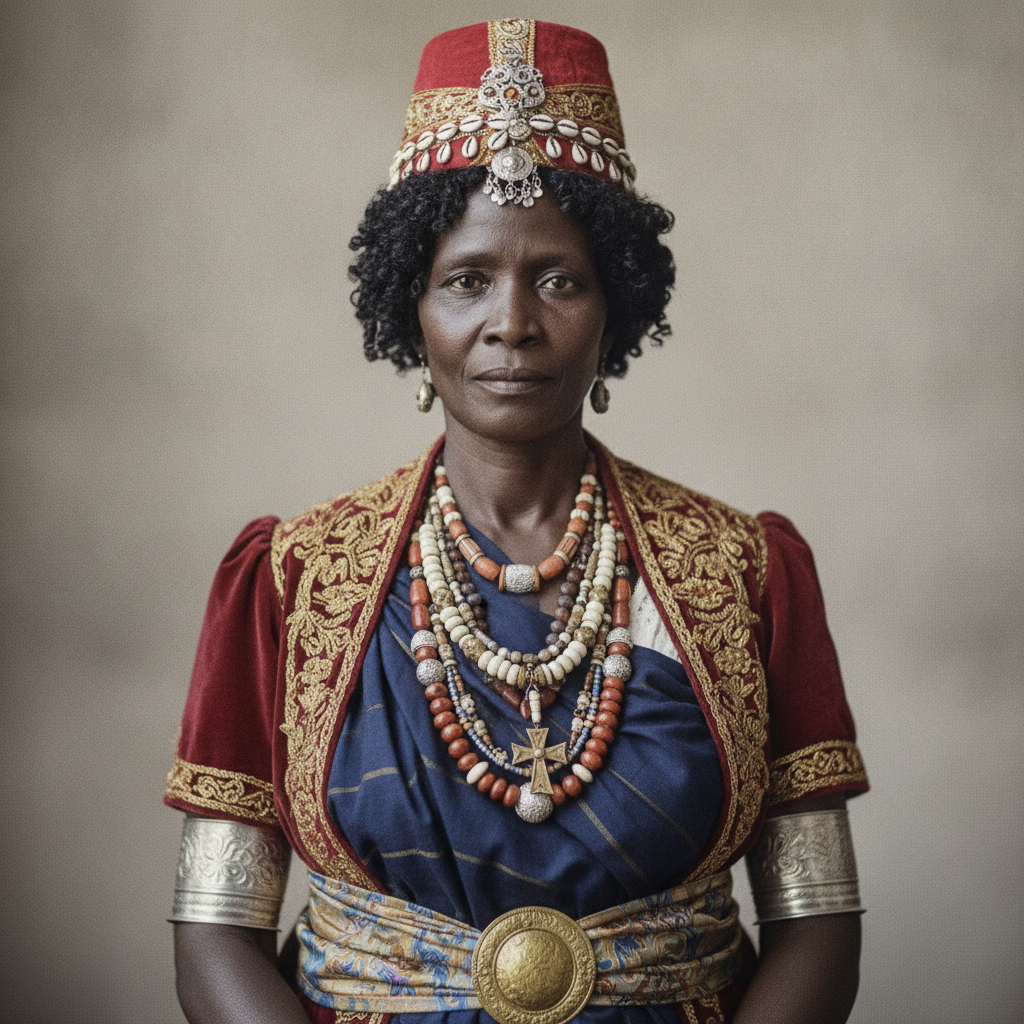
Nzinga of Ndongo
1583–1663 · Ndongo and Matamba (present-day Angola)
Nzinga (Njinga Mbande) was a 17th-century Central African queen and strategist who led Ndongo and Matamba in resistance to Portuguese encroachment.
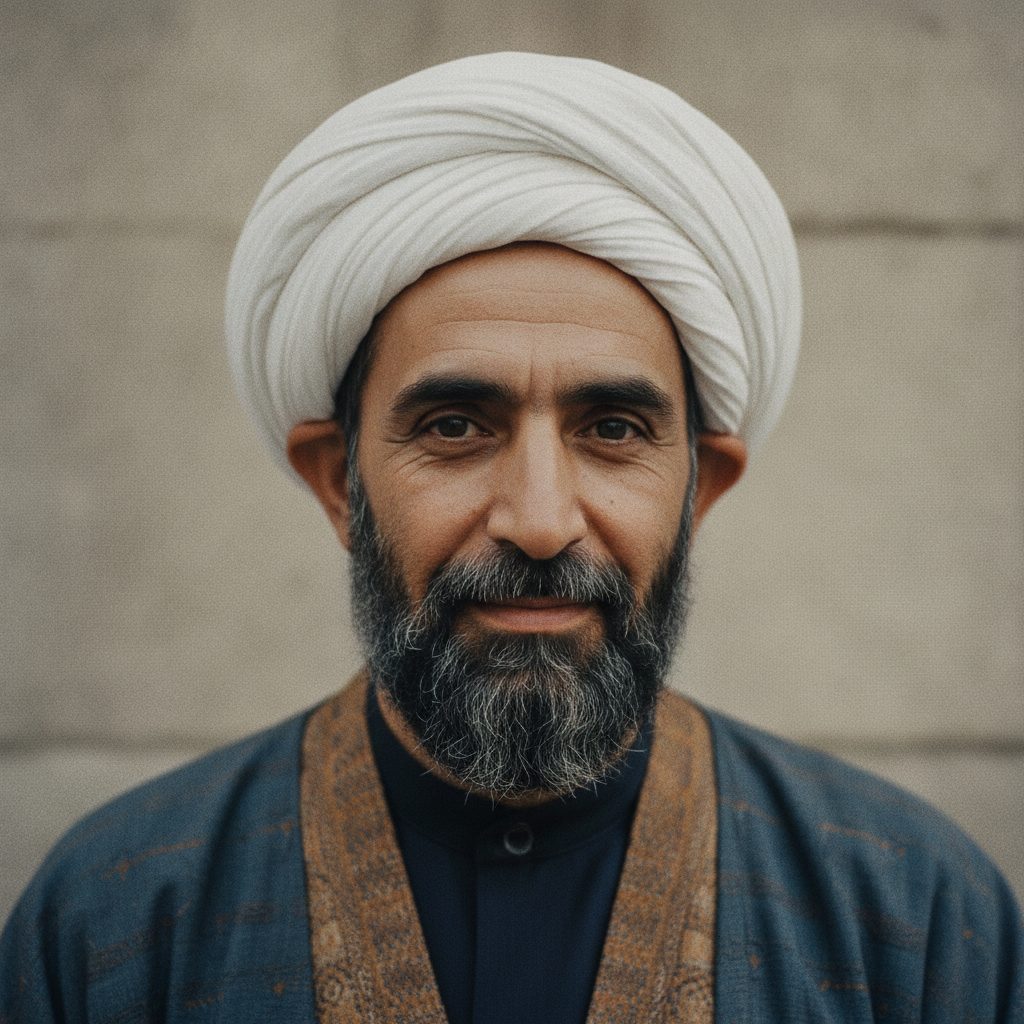
Omar Khayyam
1048–1131 · Nishapur, Khorasan (present-day northeastern Iran)
Omar Khayyam was a Persian polymath — celebrated poet and an accomplished mathematician and astronomer from Nishapur.
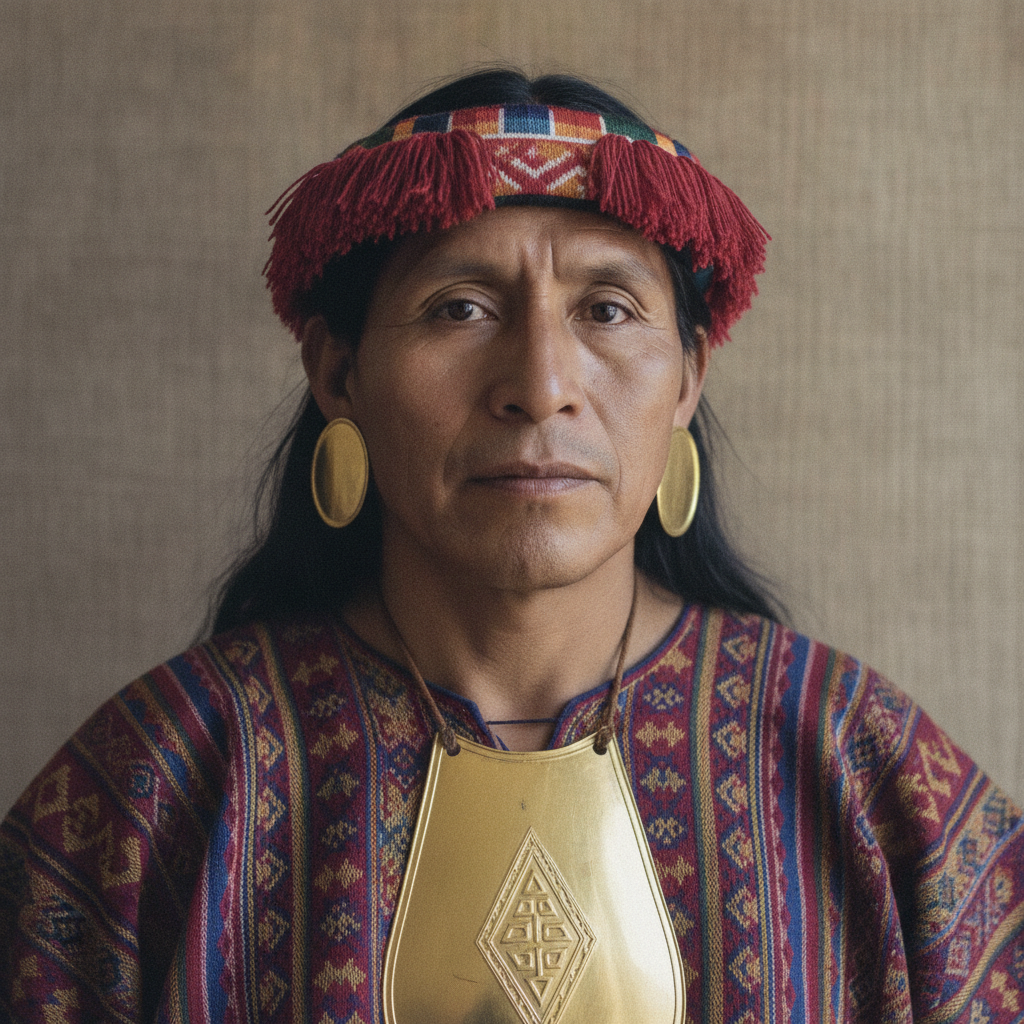
Pachacuti
1418–1471 · Cusco, Tawantinsuyu (Inca Empire), Andean Peru
Pachacuti (Cusi Yupanqui) was the ninth Sapa Inca who transformed Cusco into the Inca state and led major military and architectural campaigns in the mid‑1400s.
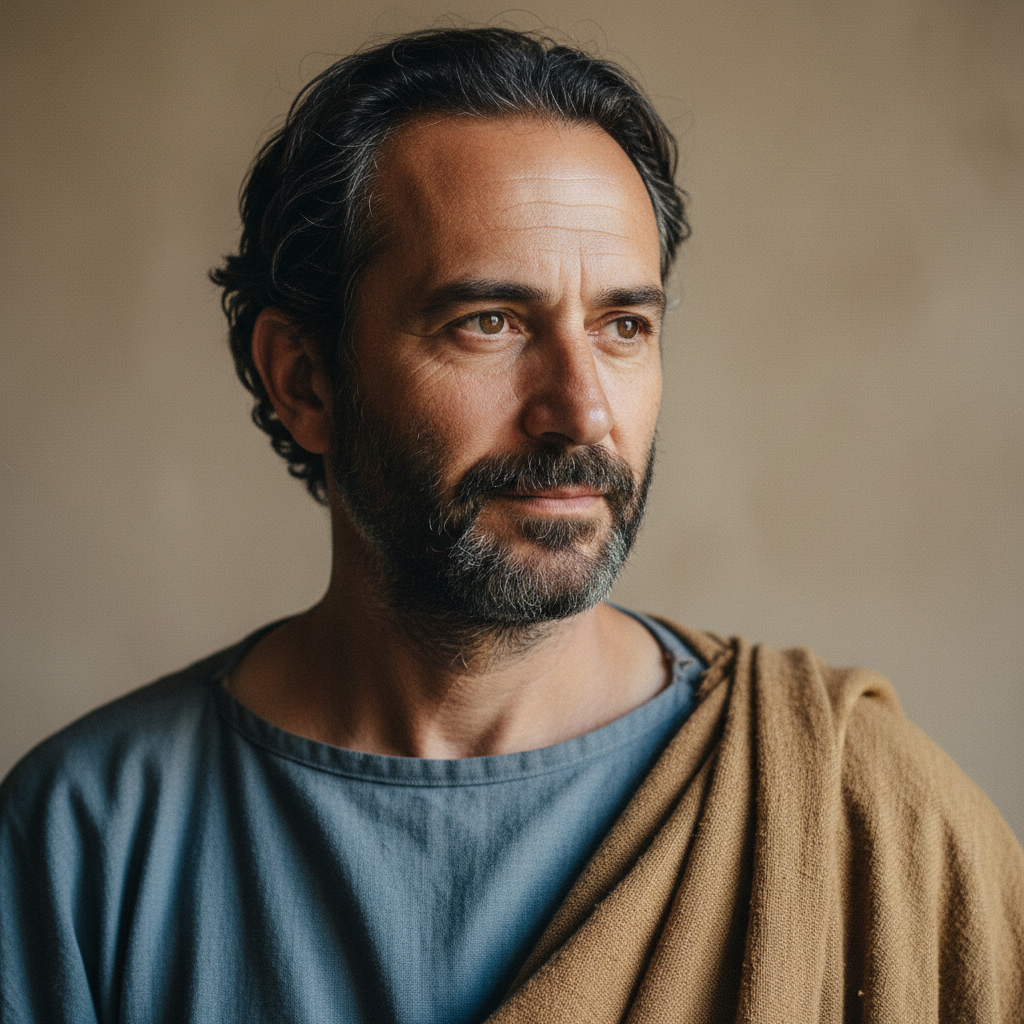
Paul the Apostle
5–67 · Tarsus (Cilicia), Roman Near East
Paul the Apostle was a first‑century Jewish‑Roman missionary and writer whose letters shaped early Christianity.
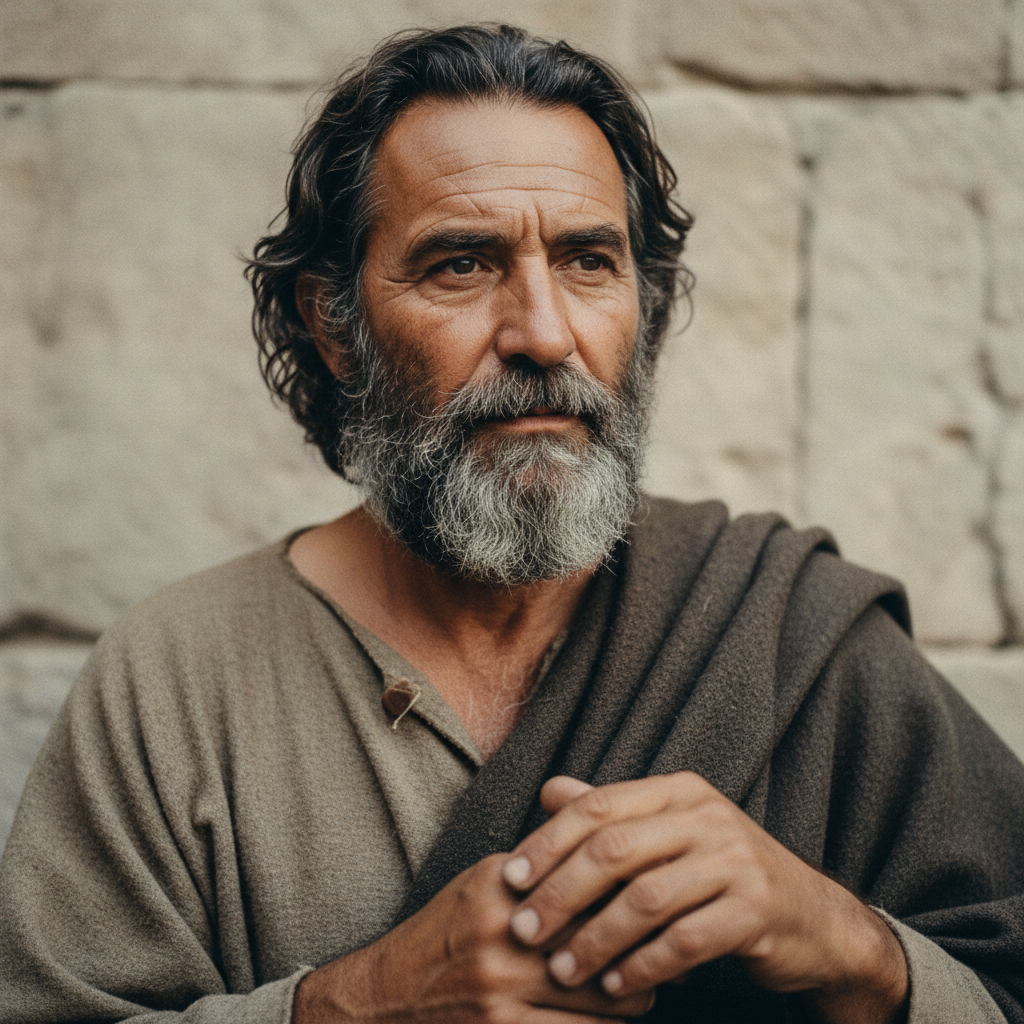
Peter the Apostle
1–64 · Galilee / Roman Judea
Simon Peter, a Galilean fisherman who became a leading apostle of Jesus and an early Christian elder in Rome.
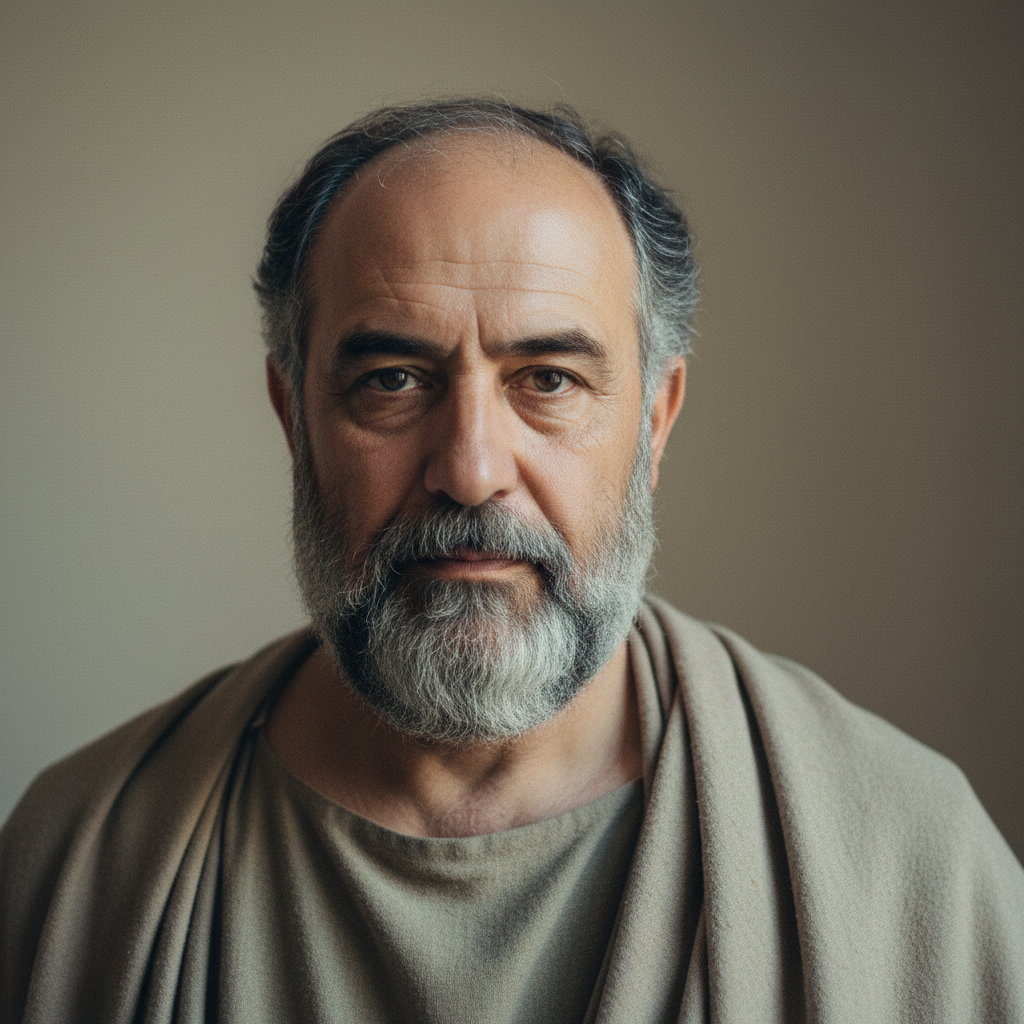
Plato
427 BCE–347 BCE · Athens, Ancient Greece
Classical Athenian philosopher, student of Socrates and teacher of Aristotle, founder of the Academy.
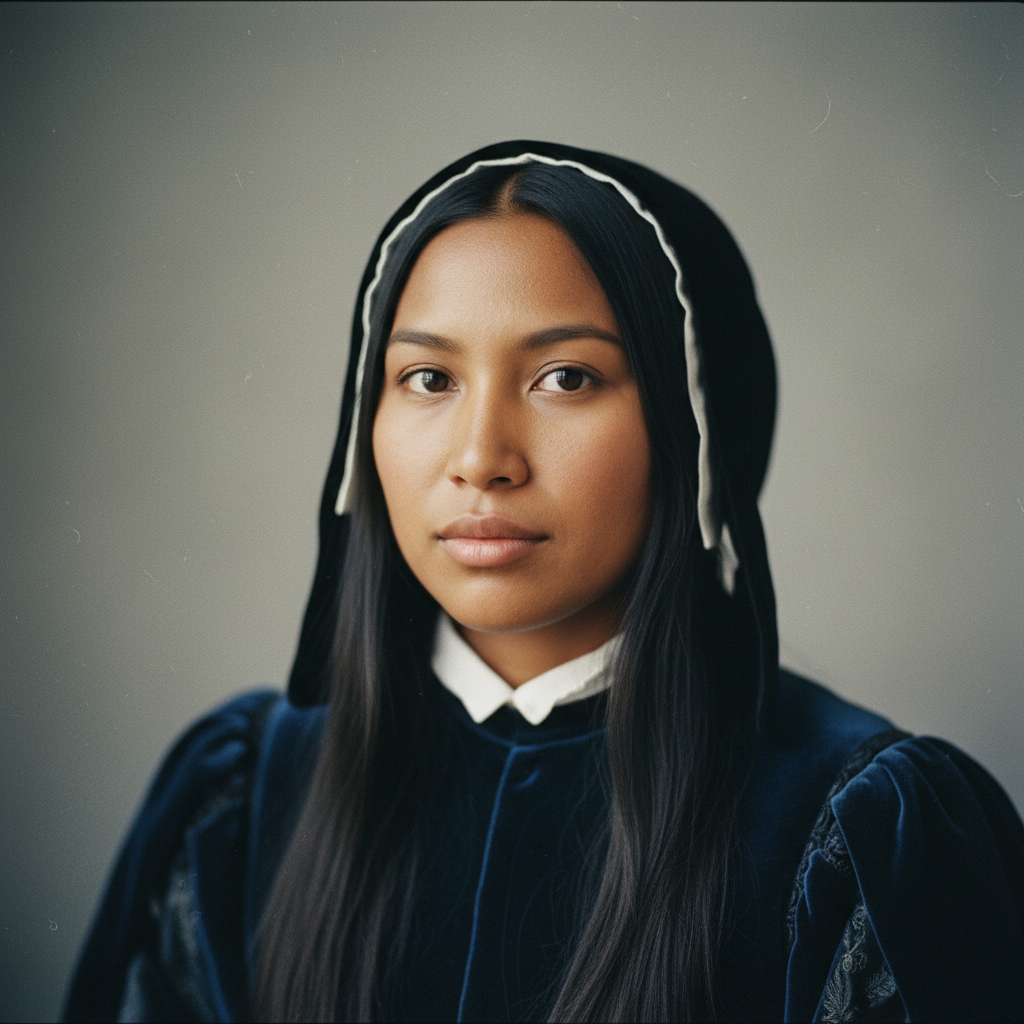
Pocahontas
1595–1617 · Tsenacommacah (Powhatan Confederacy), Virginia; later England
Pocahontas (Matoaka/Rebecca Rolfe) was a Powhatan chief's daughter who became known in Jamestown and later traveled to England in 1616.
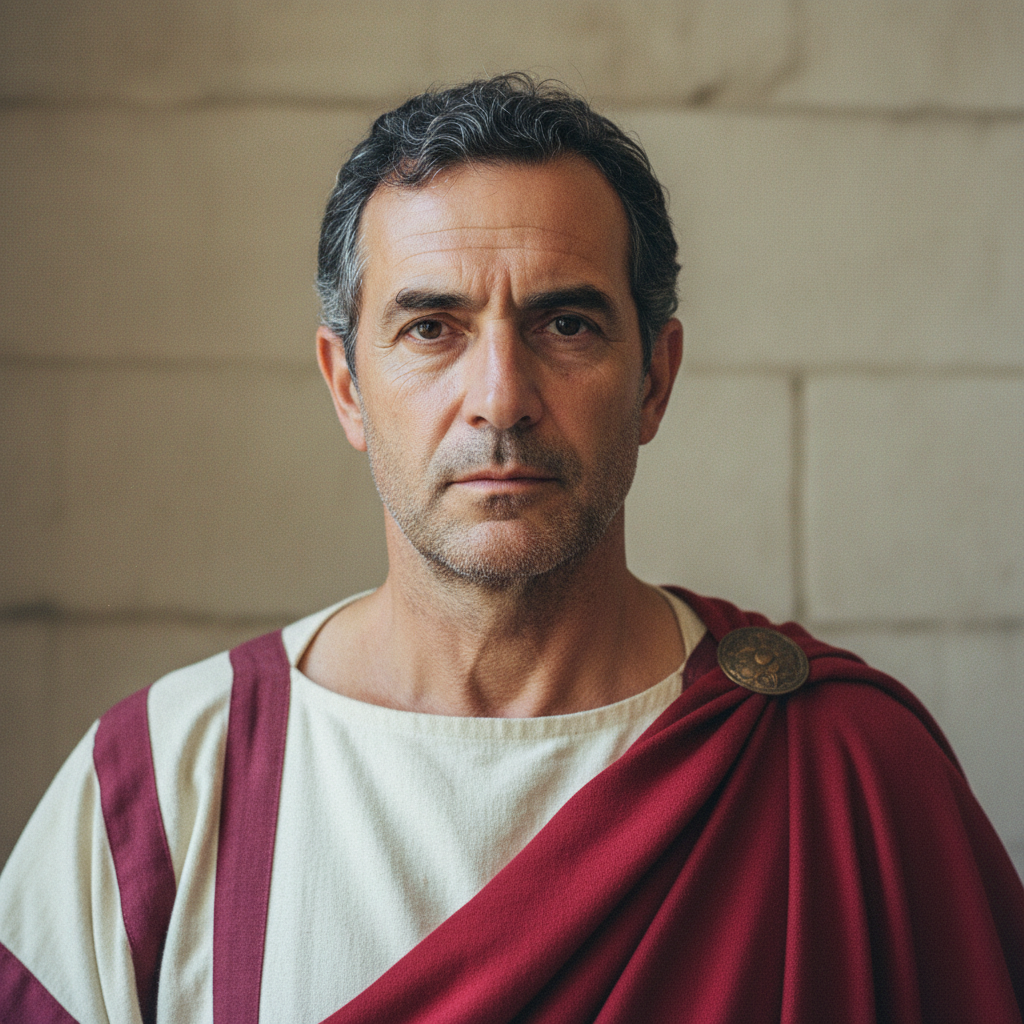
Pontius Pilate
0–0 · Judea (Roman province), Roman Empire
Pontius Pilate was the Roman prefect who governed Judaea under Tiberius and presided over the trial of Jesus according to canonical sources.
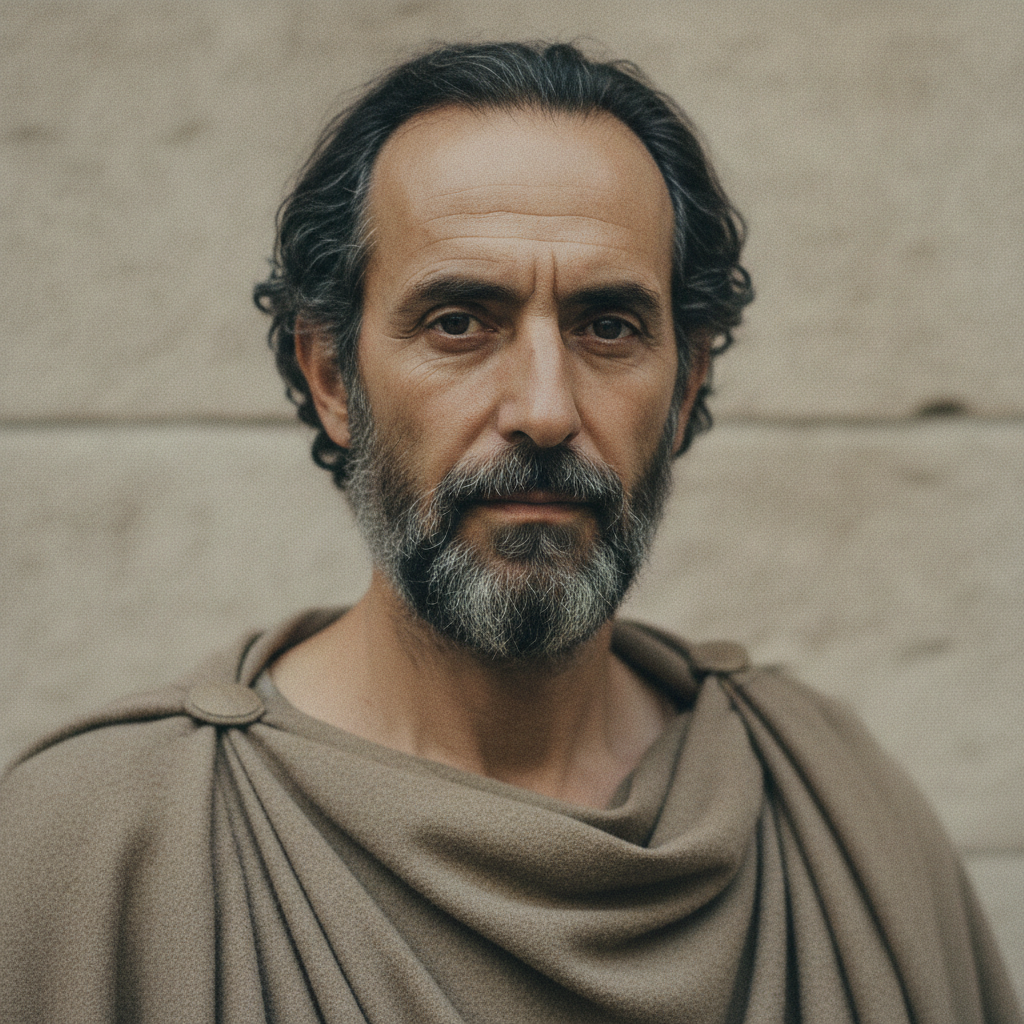
Pythagoras
570 BCE–495 BCE · Samos; later Croton (Magna Graecia)
Pythagoras of Samos, a 6th–5th century BCE Greek philosopher and founder of a religious-philosophical community known for mathematics, cosmology, and a distinctive ascetic lifestyle.
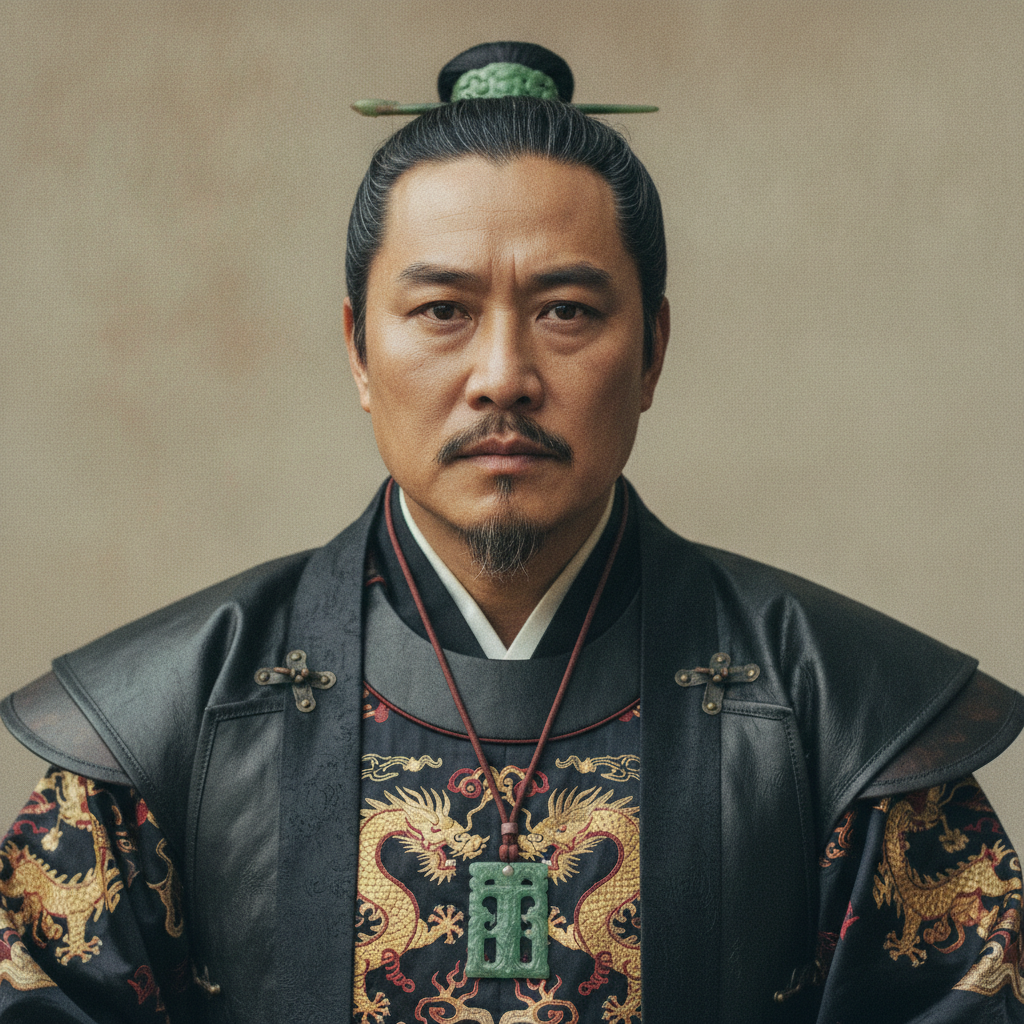
Qin Shi Huang
259–210 · State of Qin (modern Shaanxi, China)
Qin Shi Huang (259–210 BCE), the First Emperor who unified the Chinese states and founded the Qin dynasty.
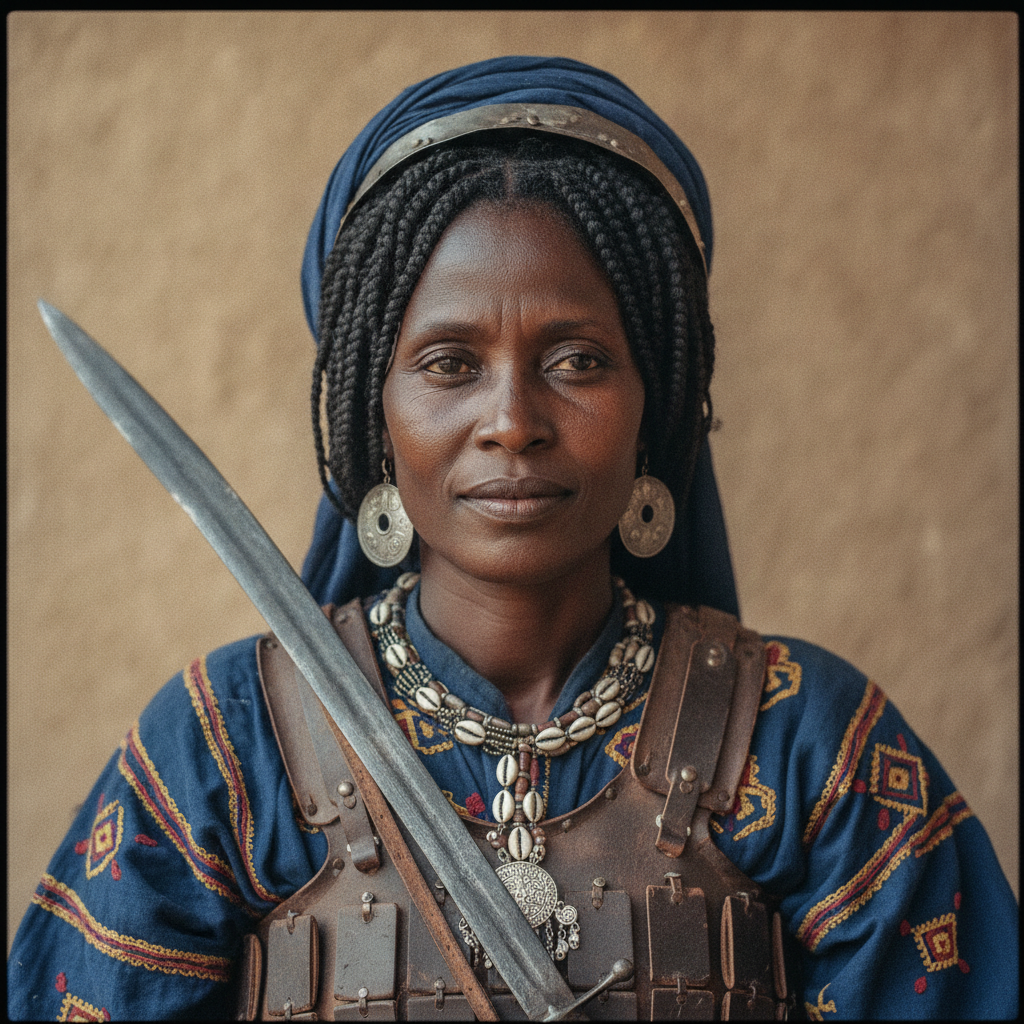
Queen Amina
0–0 · Zazzau (present-day Zaria, northern Nigeria)
Queen Amina of Zazzau is a celebrated 16th‑century Hausa warrior-queen remembered in West African oral tradition as a tall, commanding military leader who expanded Zazzau's influence.
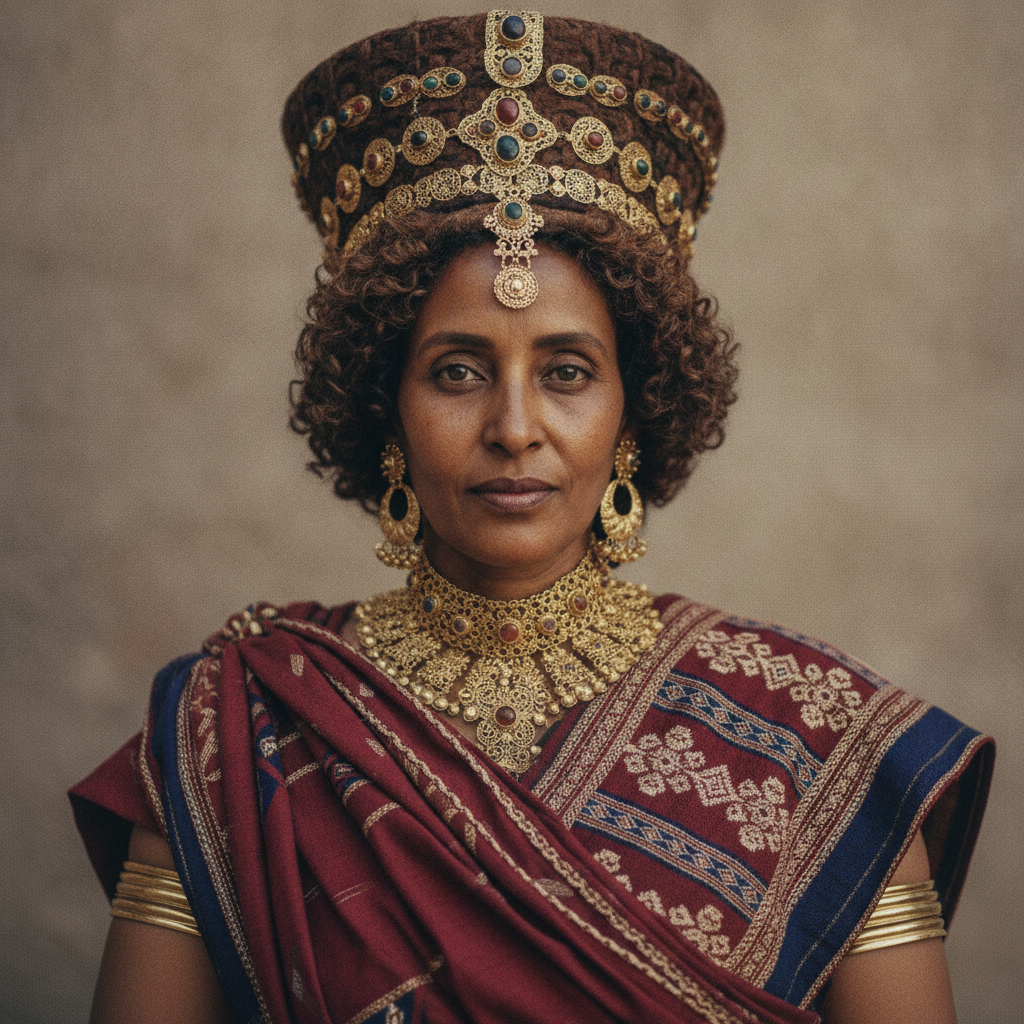
Queen of Sheba
0–0 · Saba (South Arabia, modern Yemen) or Aksum (Horn of Africa — Ethiopia/Eritrea)
A wealthy, celebrated queen of ancient Saba (or Aksum) who visited King Solomon in Near Eastern tradition.
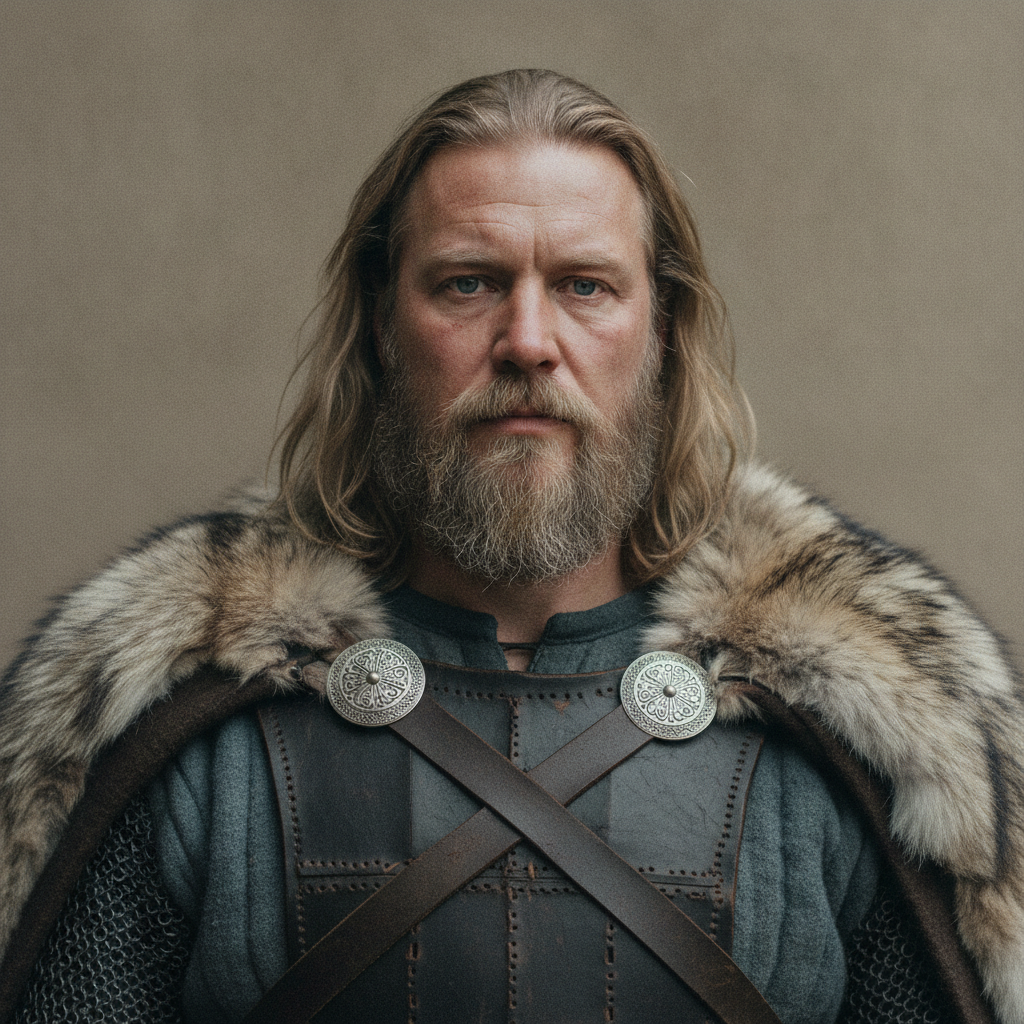
Ragnar Lothbrok
0–0 · Scandinavia (traditionally Denmark/Sweden)
A semi-legendary 9th‑century Norse war-leader famed in the sagas and later chronicles as a daring raider and father of the Great Heathen Army.
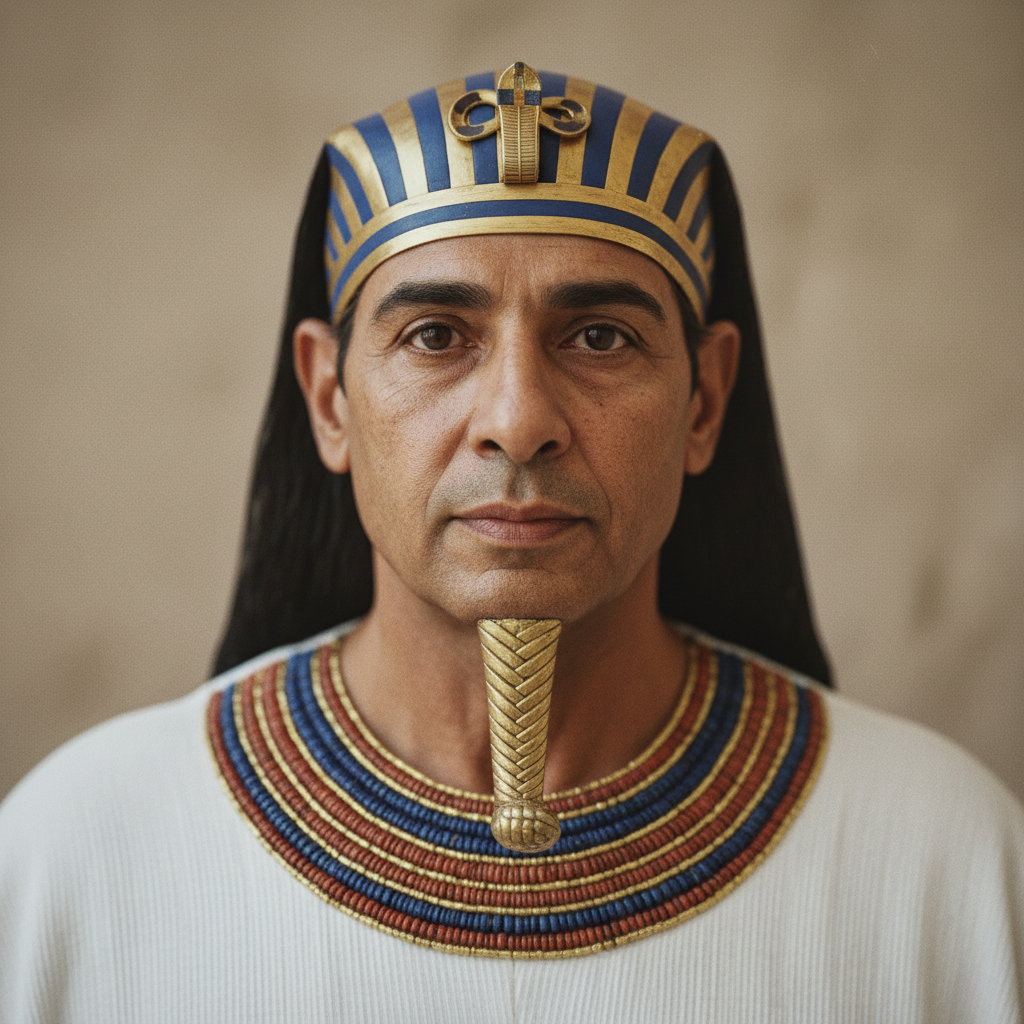
Ramses II
1303 BCE–1213 BCE · Ancient Egypt (Nile Valley)
Ramses II (Ramses the Great) was an Egyptian pharaoh famed for monumental statues and a long, powerful reign during the 13th century BCE.
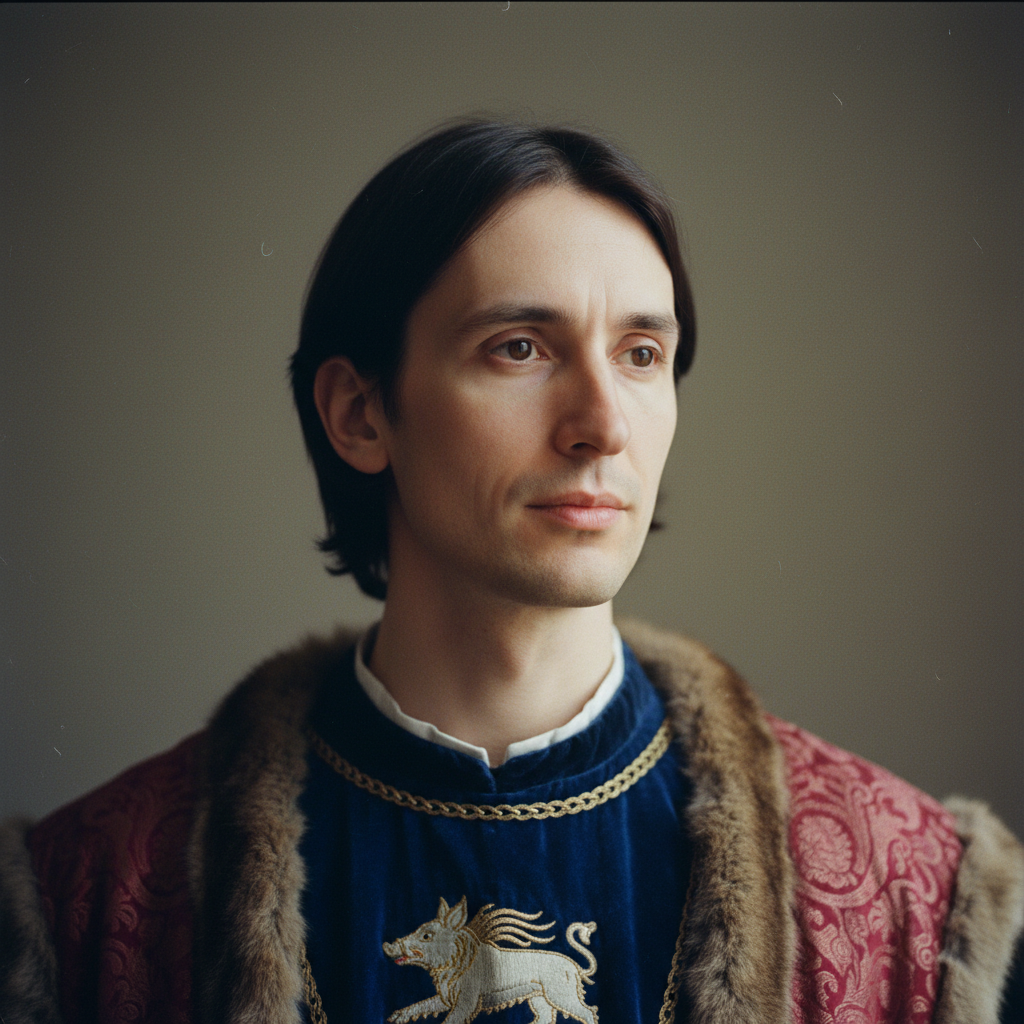
Richard III
1452–1485 · England (House of York)
Richard III, the last Plantagenet king of England (reigned 1483–1485), a Yorkist noble and soldier killed at the Battle of Bosworth.
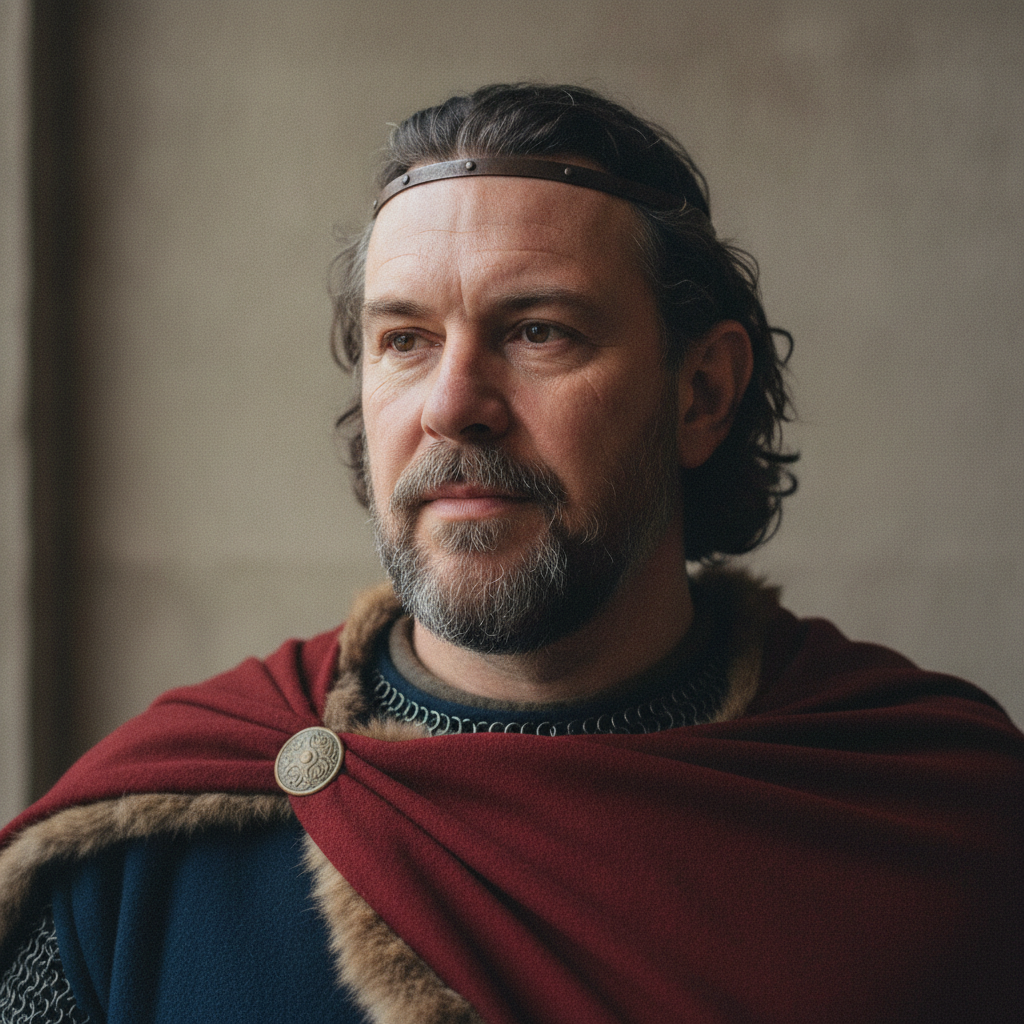
Robert the Bruce
1274–1329 · Scotland
Robert the Bruce (Robert I) was King of Scots (r. 1306–1329) and a central figure in Scotland’s wars of independence.

Robin Hood
0–0 · Sherwood Forest / Nottinghamshire, England (legendary)
Legendary English outlaw and leader of a band of outlaws, famous as a skilled longbowman and wearer of green in medieval ballads.
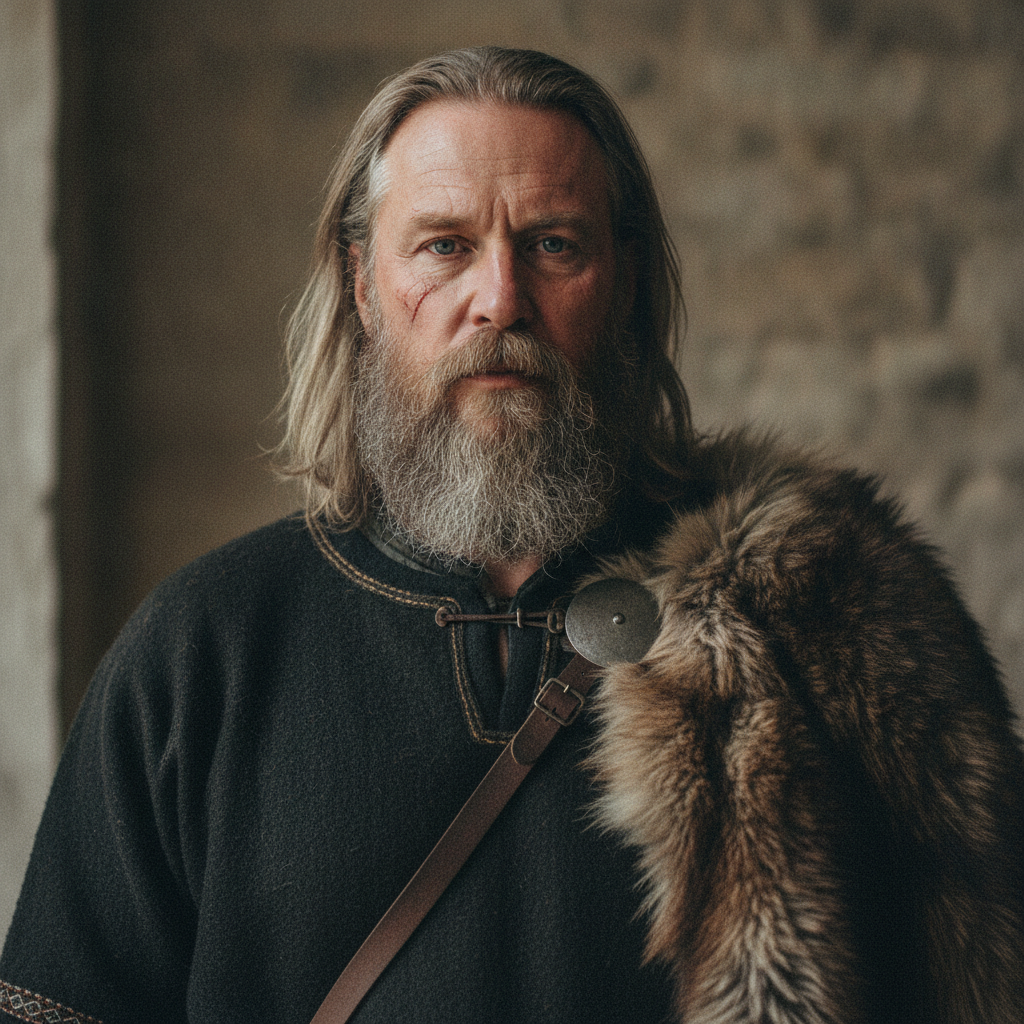
Rollo
860–931 · Scandinavia (likely Norway/Denmark) and Normandy (northern France)
Rollo was a Viking war-leader who secured territory in northern France and became the first ruler of what became Normandy.
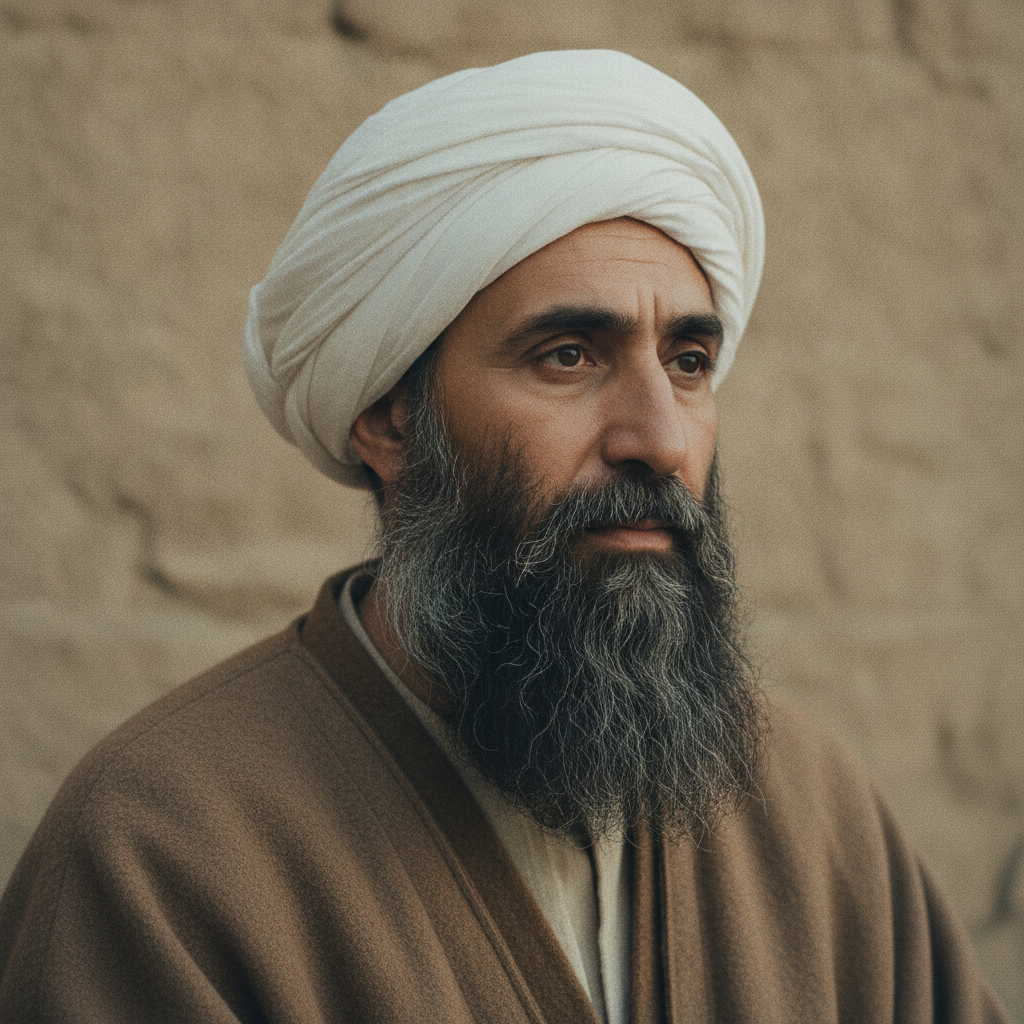
Rumi
1207–1273 · Born in Balkh (now Afghanistan); lived and died in Konya (now Turkey)
Jalāl al‑Dīn Muḥammad Rūmī (1207–1273) — Persian-language Sufi poet and founder figure of the Mevlevi order, best known for the Mathnawī and his spiritual teachings.
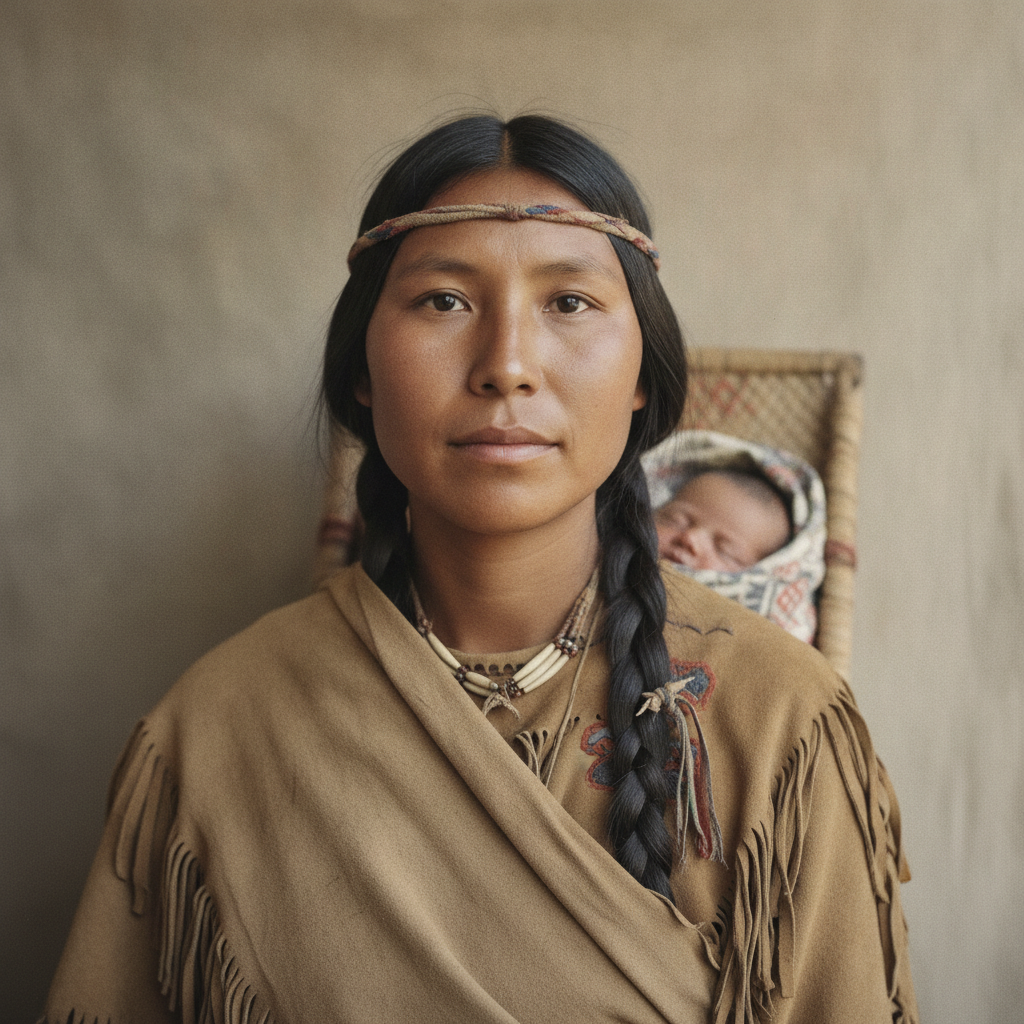
Sacagawea
1788–1812 · Lemhi Shoshone / Northwestern Plains (present-day Idaho/Montana)
A Lemhi Shoshone woman who served as an interpreter and guide for the Lewis & Clark Expedition (1804–1806).
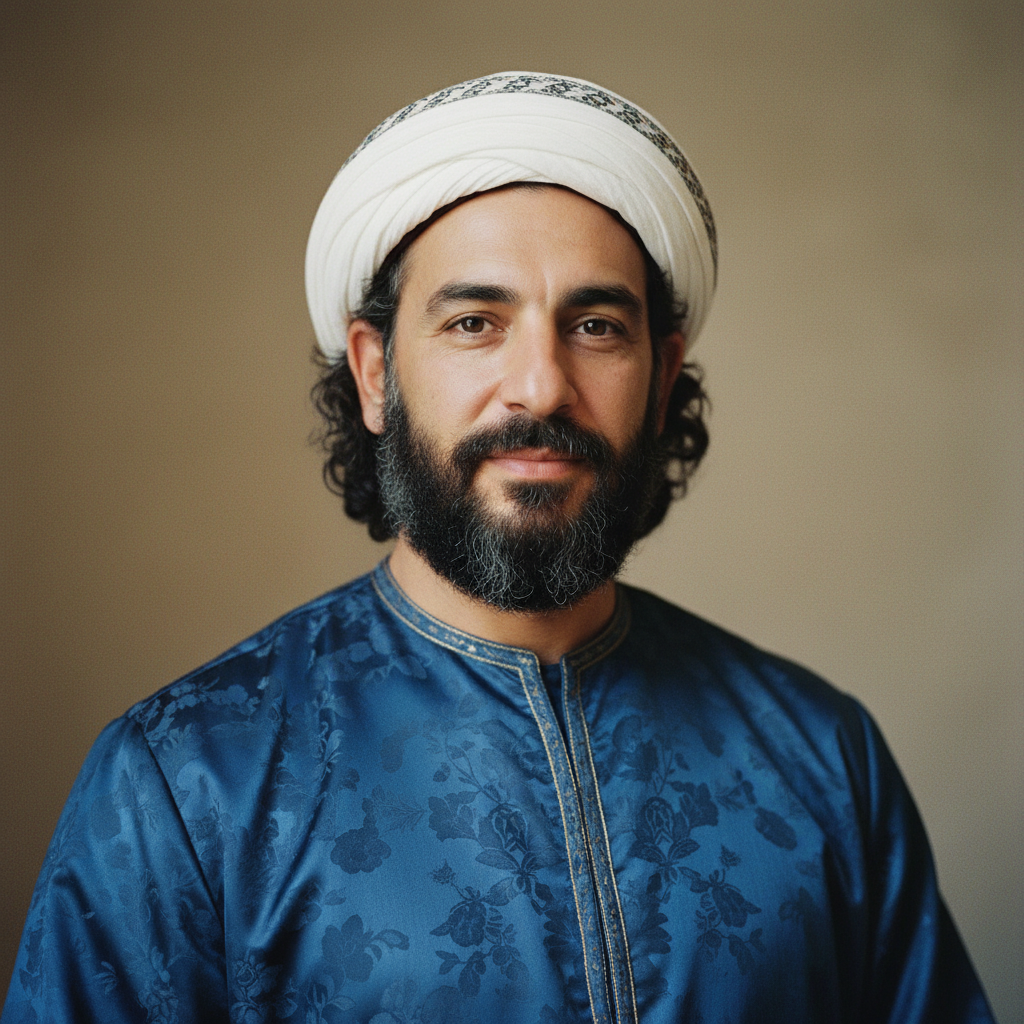
Saladin
1137–1193 · Ayyubid Sultanate (origin: Kurdish zones of Upper Mesopotamia; active in Syria & Egypt)
Salah ad-Din (Saladin) — the Kurdish-born founder of the Ayyubid dynasty who united Muslim forces and recaptured Jerusalem in 1187.
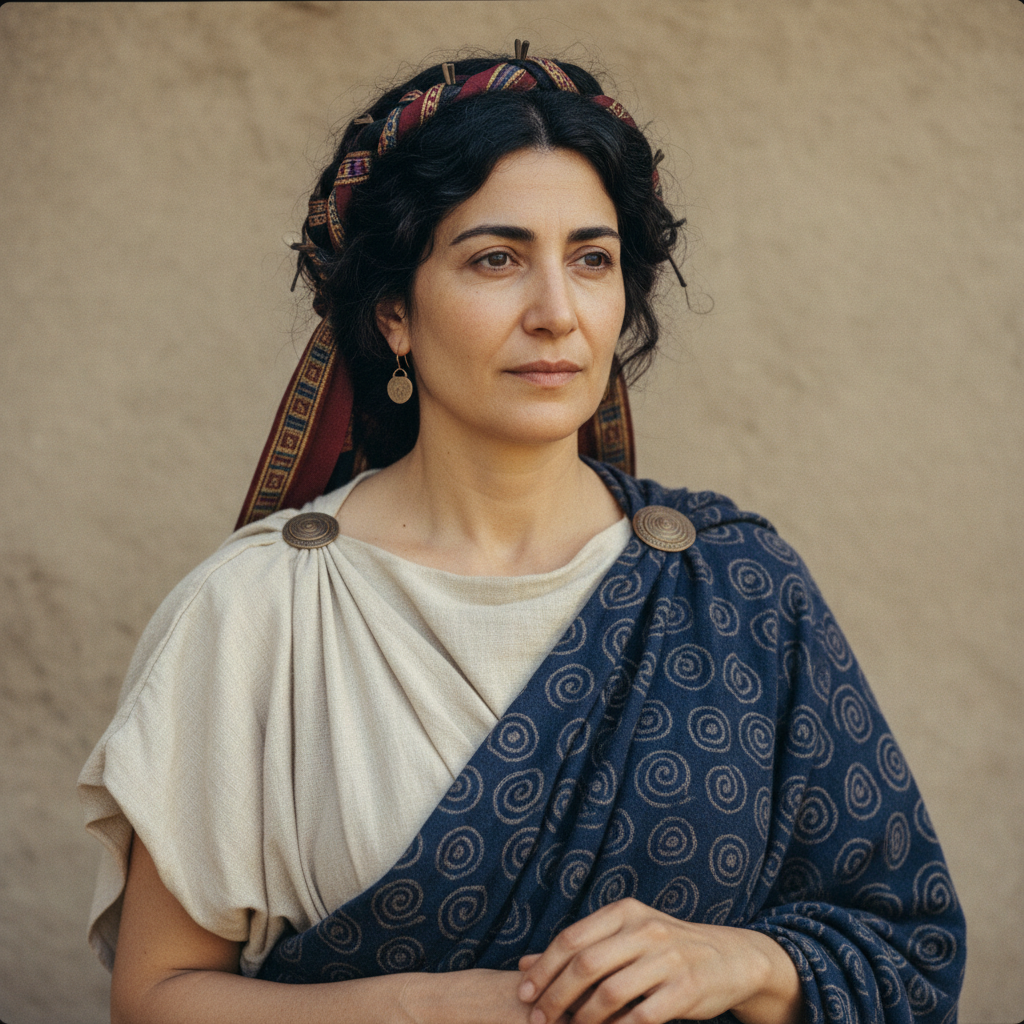
Sappho
0–0 · Lesbos (Ionian Greek world)
Archaic Greek lyric poet from Lesbos, celebrated for intimate poems on love and daily life.

Sei Shonagon
966–1017 · Heian-kyō (Kyoto), Japan
Heian-period Japanese court lady and witty diarist best known as the author of The Pillow Book (Makura no Sōshi).
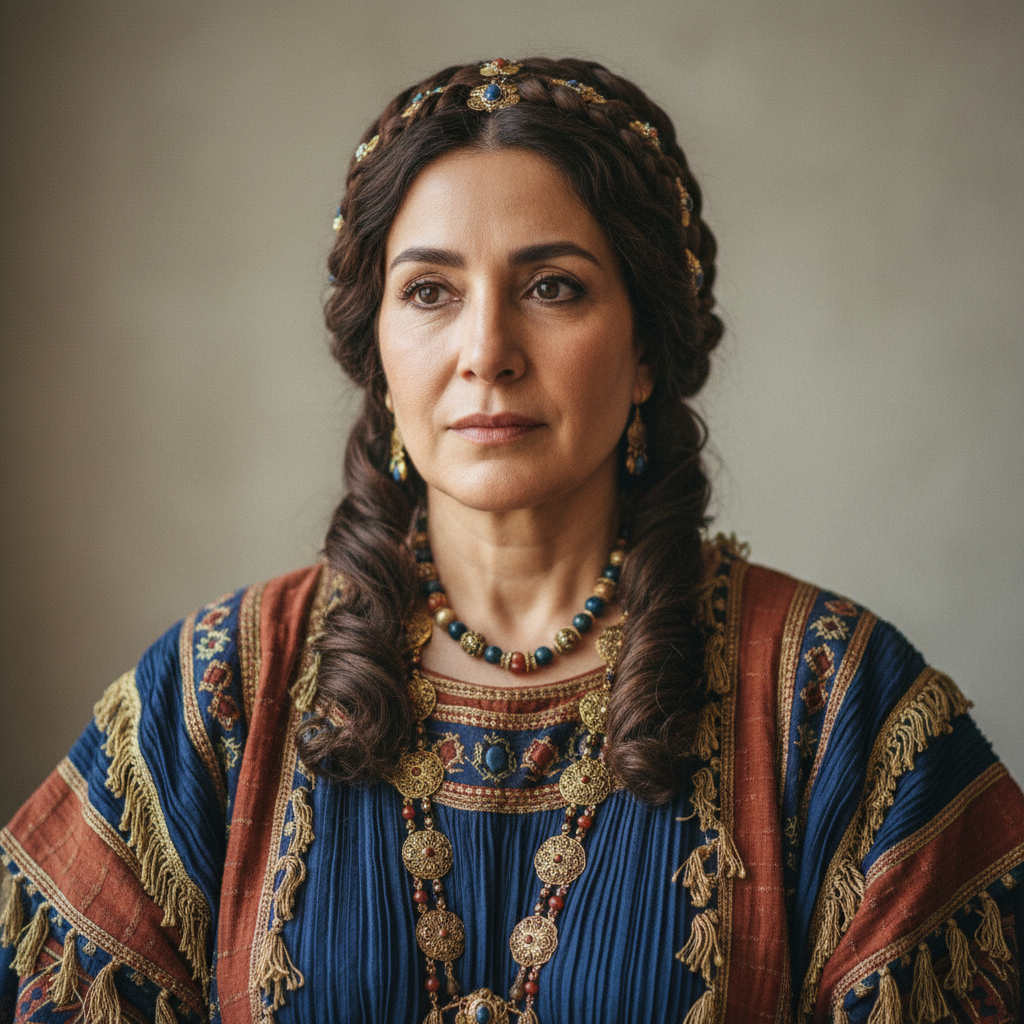
Semiramis
0–0 · Assyria (northern Mesopotamia) / Near East
Semiramis (legendary; probably based on the Assyrian queen Shammuramat) — a Near Eastern queen renowned in ancient and classical sources for beauty, regal bearing, and monumental building.
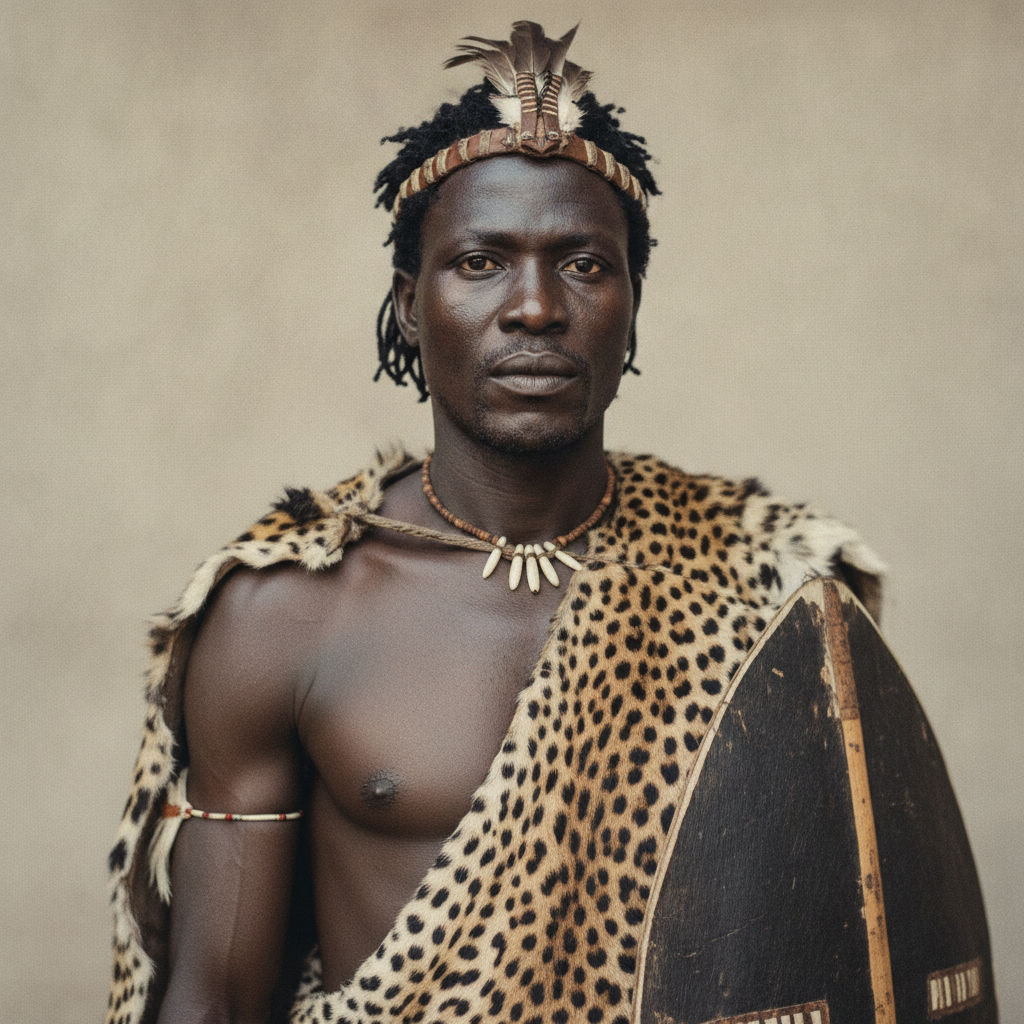
Shaka Zulu
1787–1828 · KwaZulu/Natal (southern Africa)
Shaka kaSenzangakhona was the influential early 19th‑century king who forged the Zulu state and led its warriors.
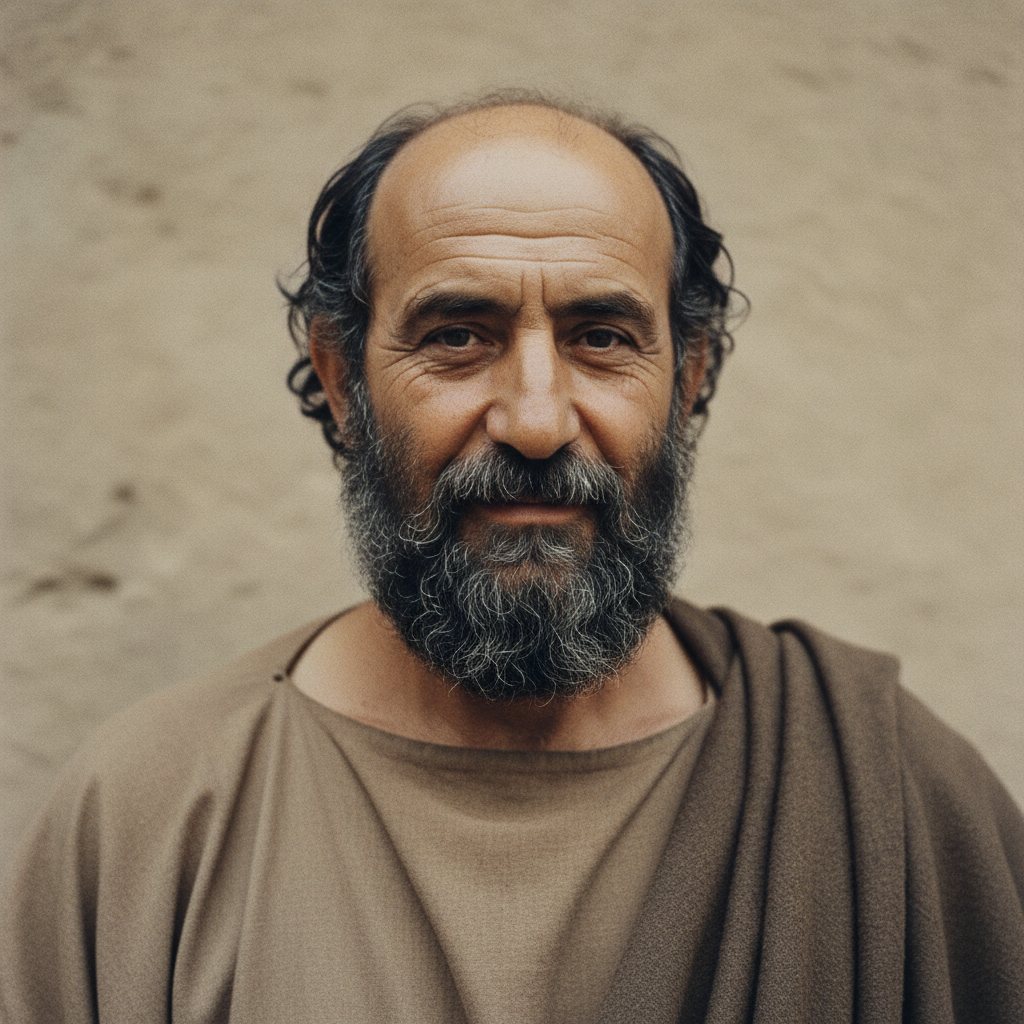
Socrates
470–399 · Athens, Ancient Greece
Socrates was a classical Athenian philosopher known for his questioning method and distinctive, ungainly appearance.
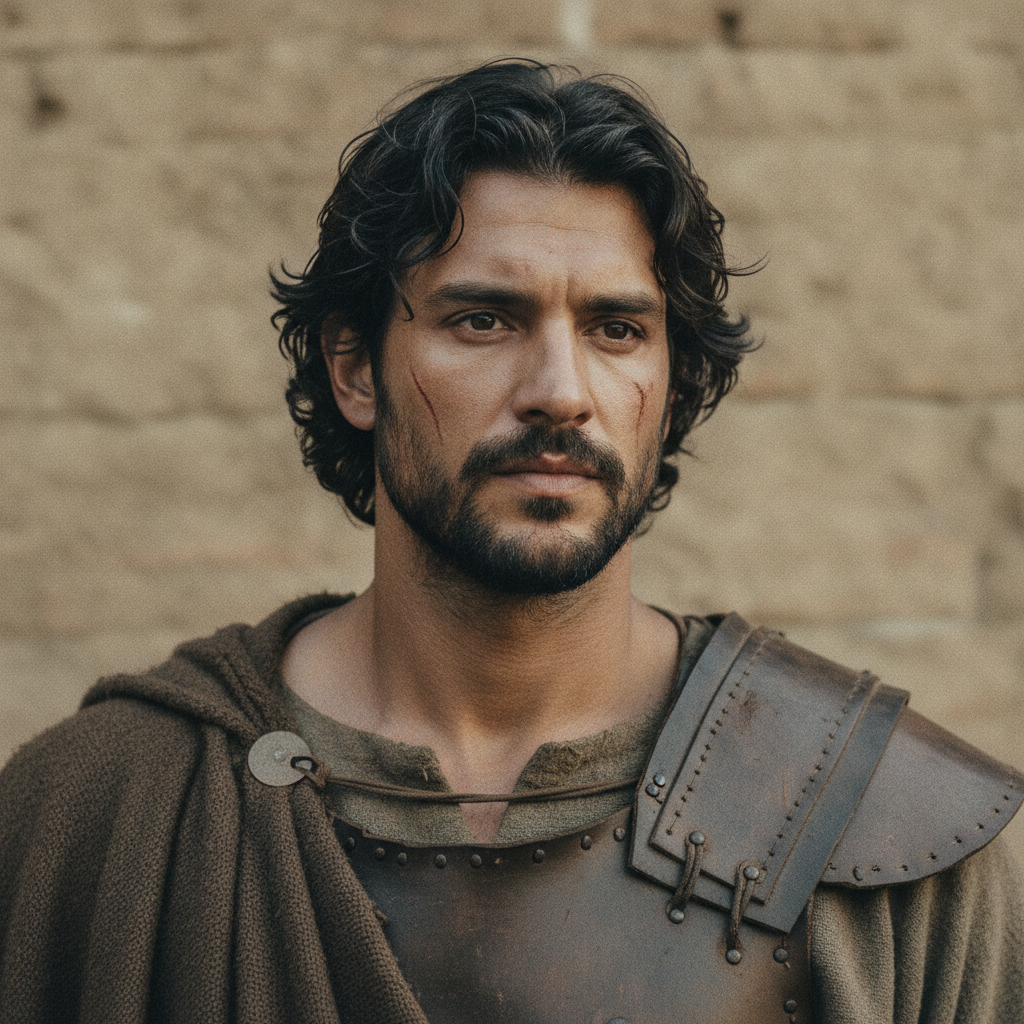
Spartacus
0–0 · Thrace (Balkans) and Italy
Spartacus was a Thracian-born gladiator who led the large slave revolt against Rome (the Third Servile War) in 73–71 BCE.
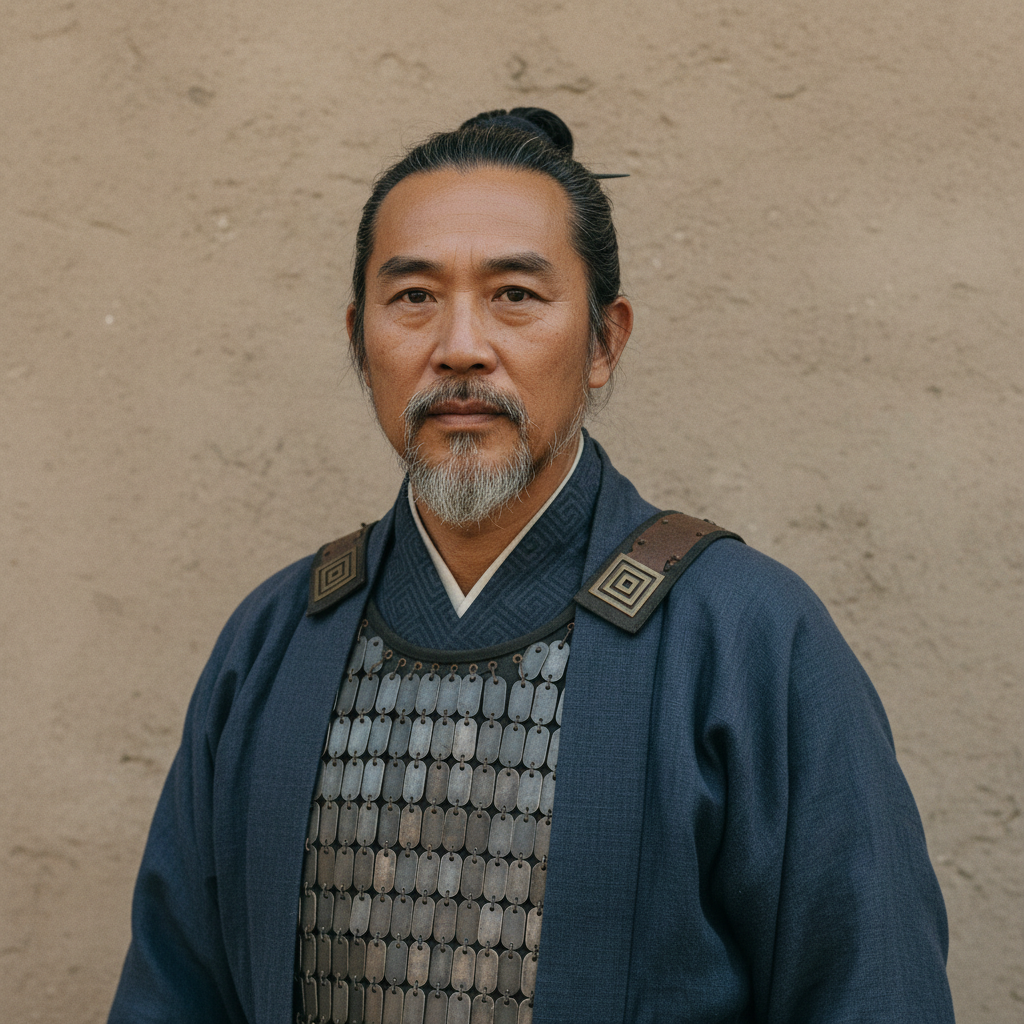
Sun Tzu
0–0 · State of Wu (lower Yangtze), ancient China
Ancient Chinese military strategist and author traditionally credited with writing The Art of War.
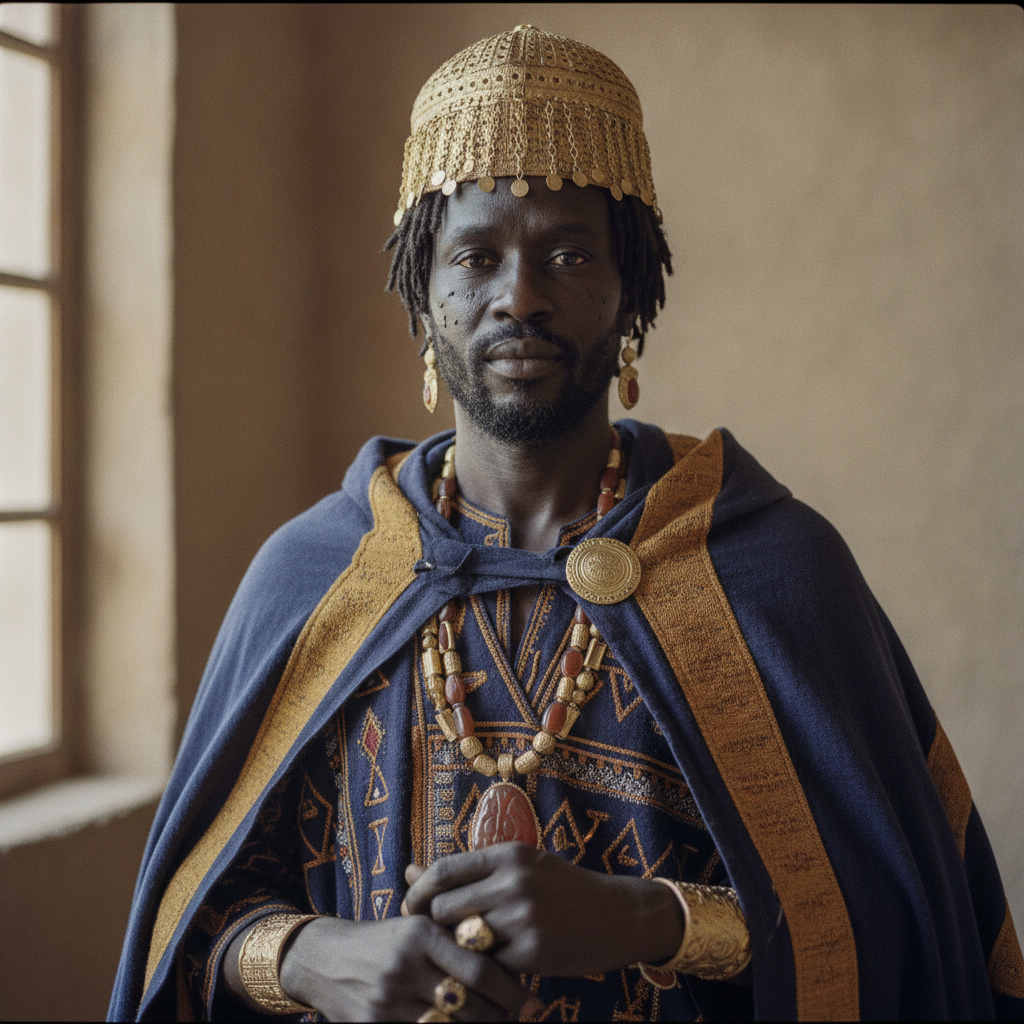
Sundiata Keita
1217–1255 · Mali Empire (West Africa)
Sundiata Keita was the 13th‑century founder and first great ruler of the Mali Empire, celebrated in Mande oral epic tradition.
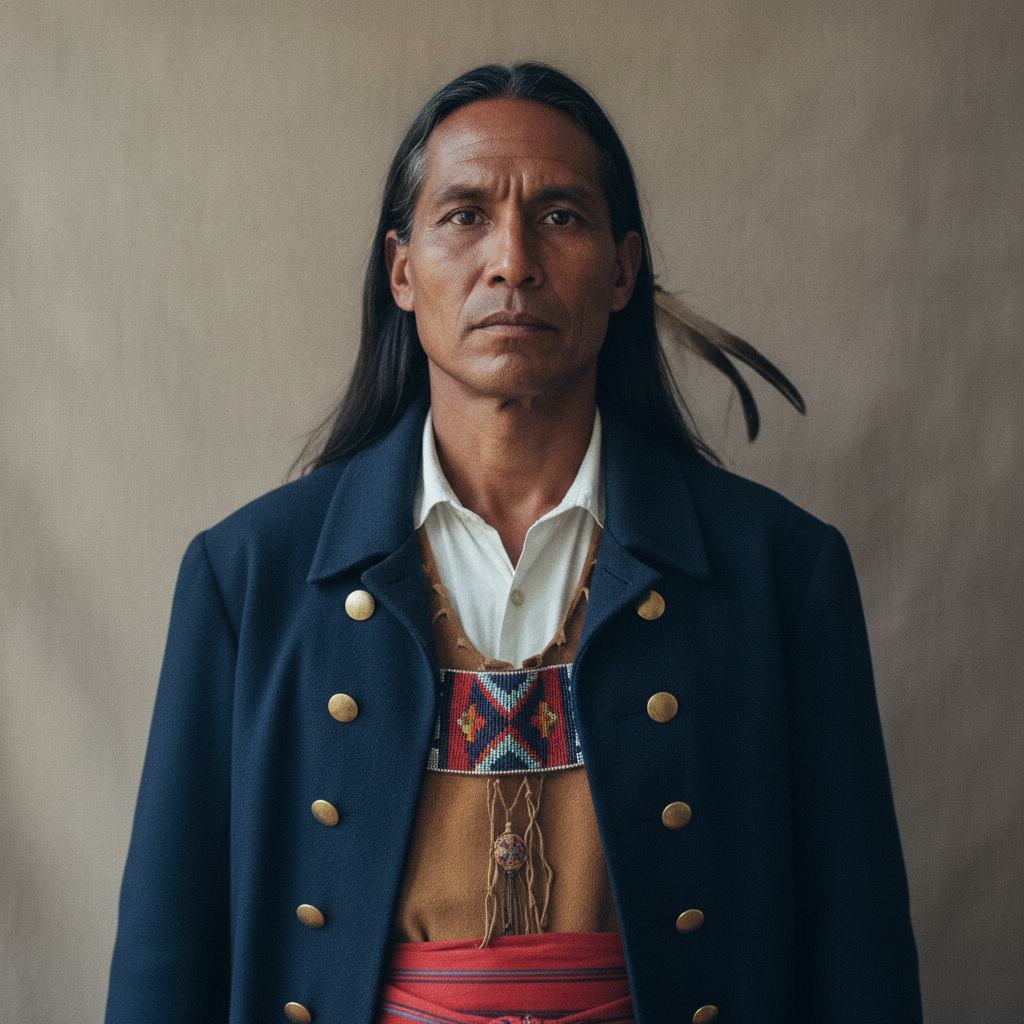
Tecumseh
1768–1813 · Ohio Valley / Great Lakes (Shawnee nation)
Tecumseh was a Shawnee chief and pan-Indian leader who played a central role in resisting U.S. expansion in the early 19th century.
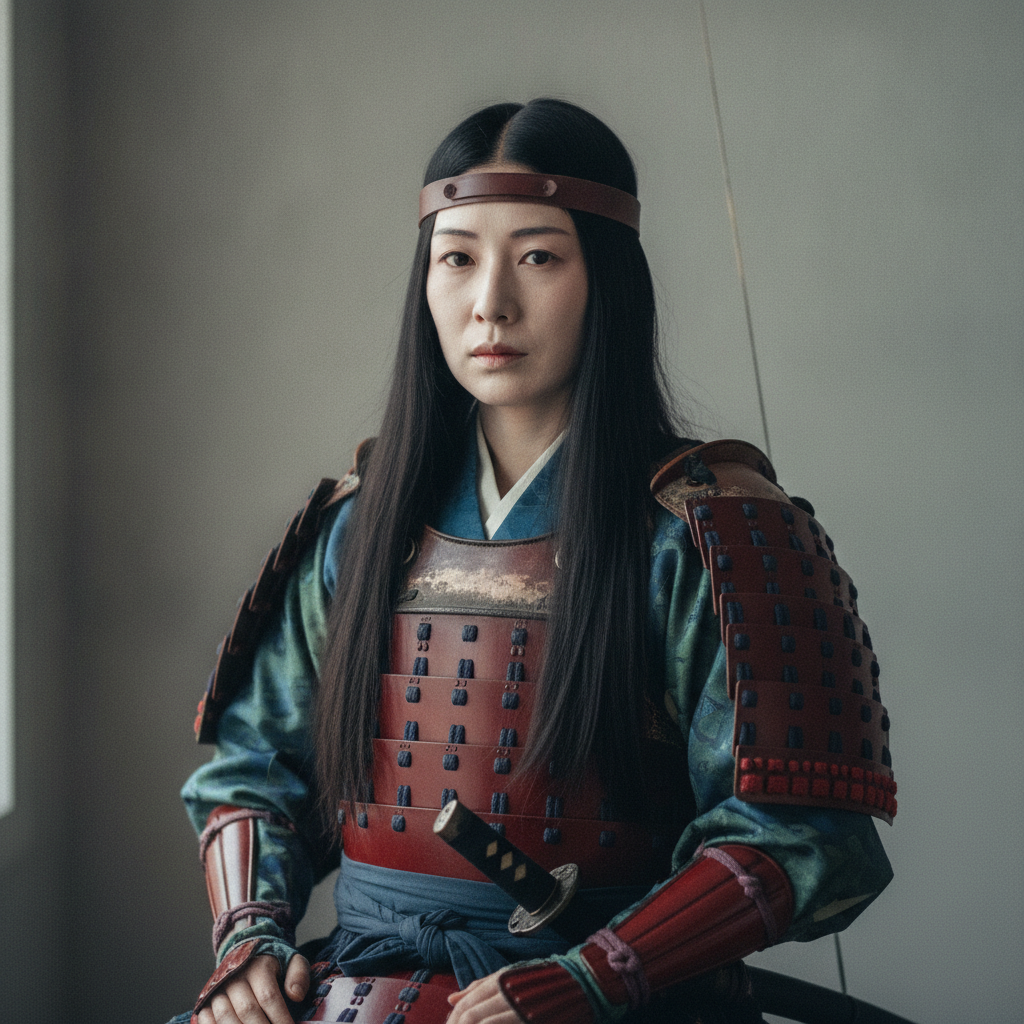
Tomoe Gozen
0–0 · Japan (Heian-era, served Minamoto forces)
Tomoe Gozen was a celebrated late‑Heian female samurai famed in the Tale of the Heike for battlefield skill, beauty, and horseback archery.
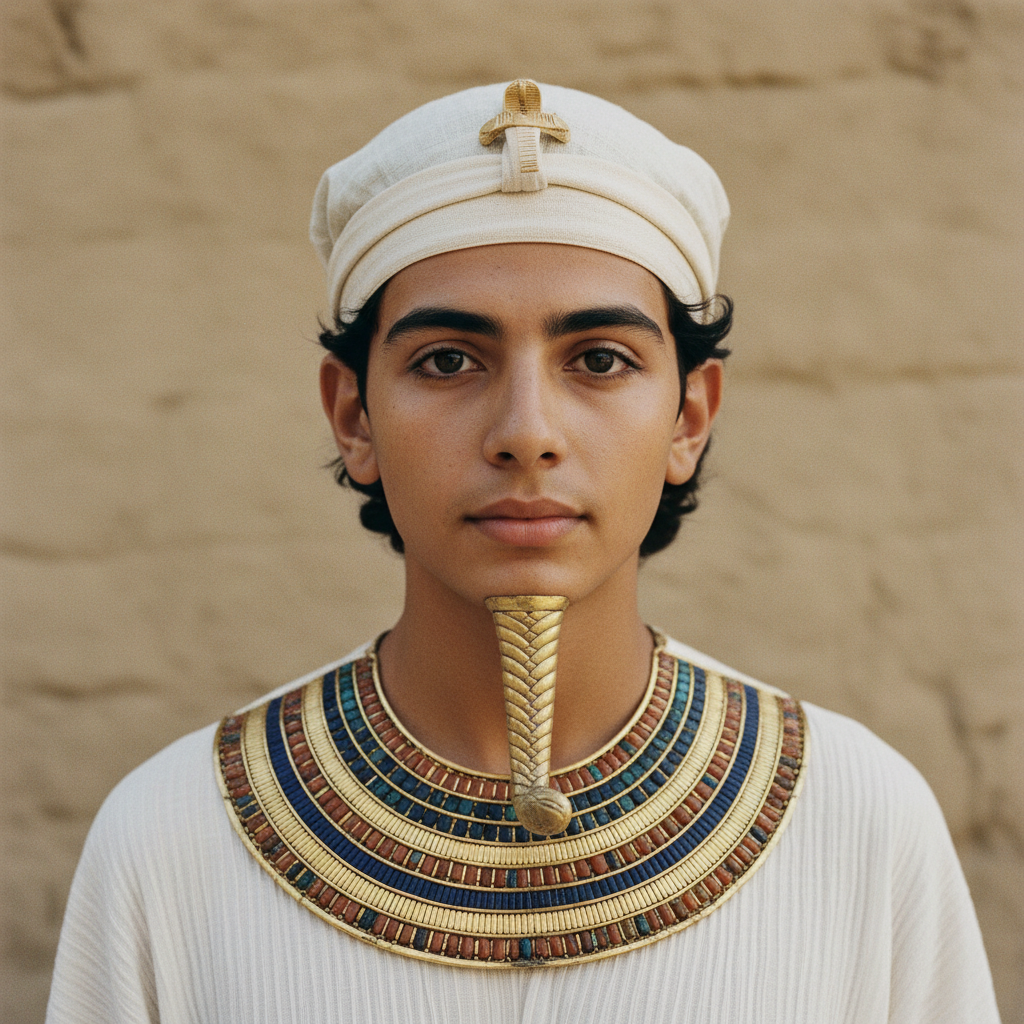
Tutankhamun
1341 BCE–1323 BCE · Ancient Egypt (Thebes / Valley of the Kings)
A young 18th‑Dynasty Egyptian pharaoh (Tutankhamun) who ruled in the late 14th century BCE, famous for his intact tomb and gilded funerary mask.
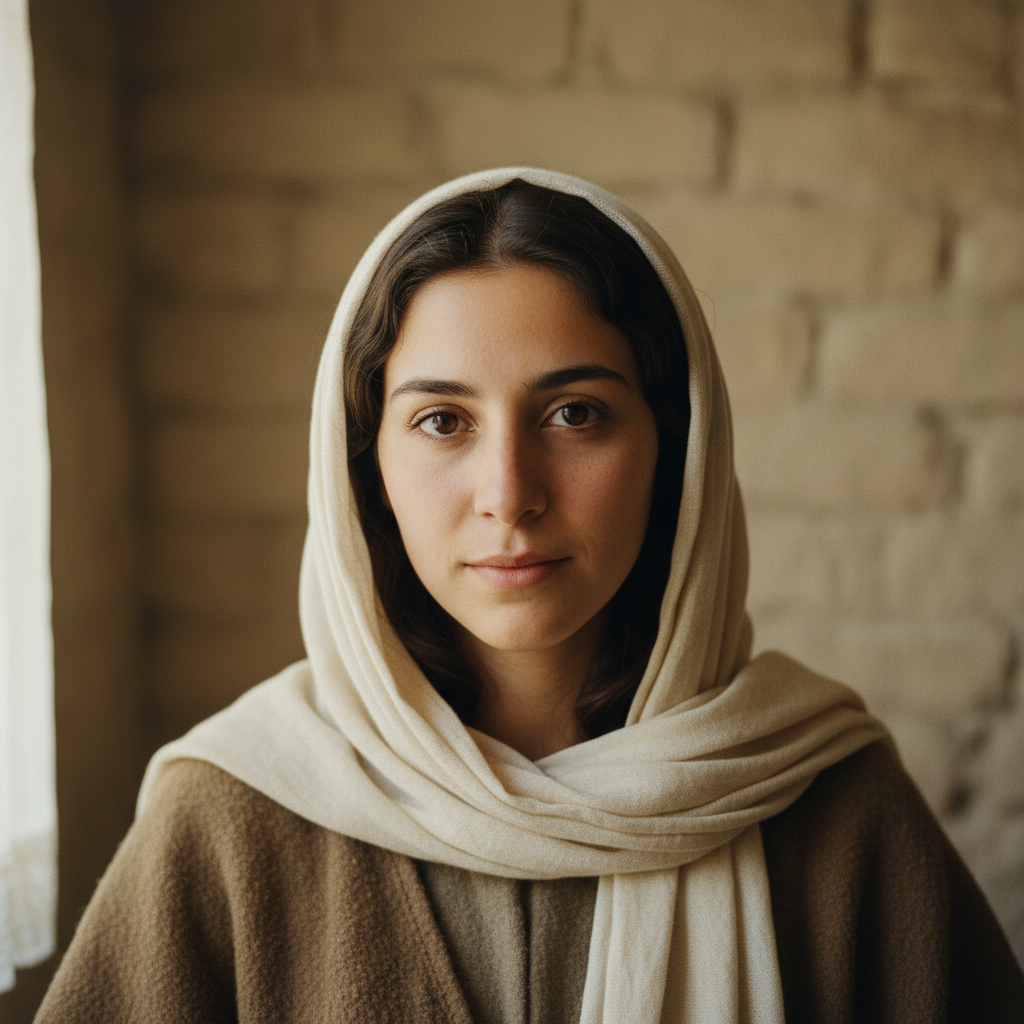
Virgin Mary
0–0 · Galilee, Roman Judea (modern Israel/Palestine)
Mary of Nazareth — a first‑century Galilean Jewish woman traditionally identified as the mother of Jesus.
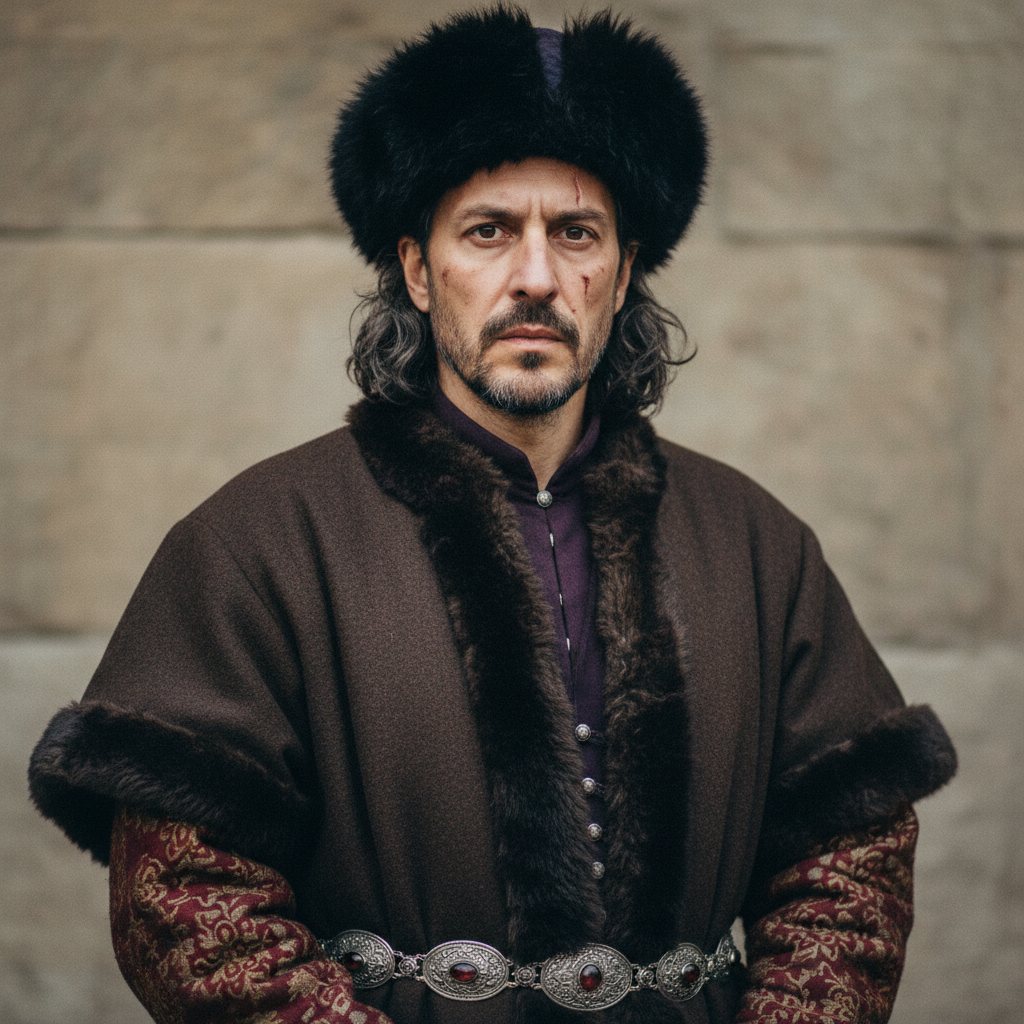
Vlad the Impaler
1431–1476 · Wallachia (modern Romania)
Vlad III Ţepeş (Vlad the Impaler), 15th‑century Wallachian prince known for his military rule and brutal punishments.
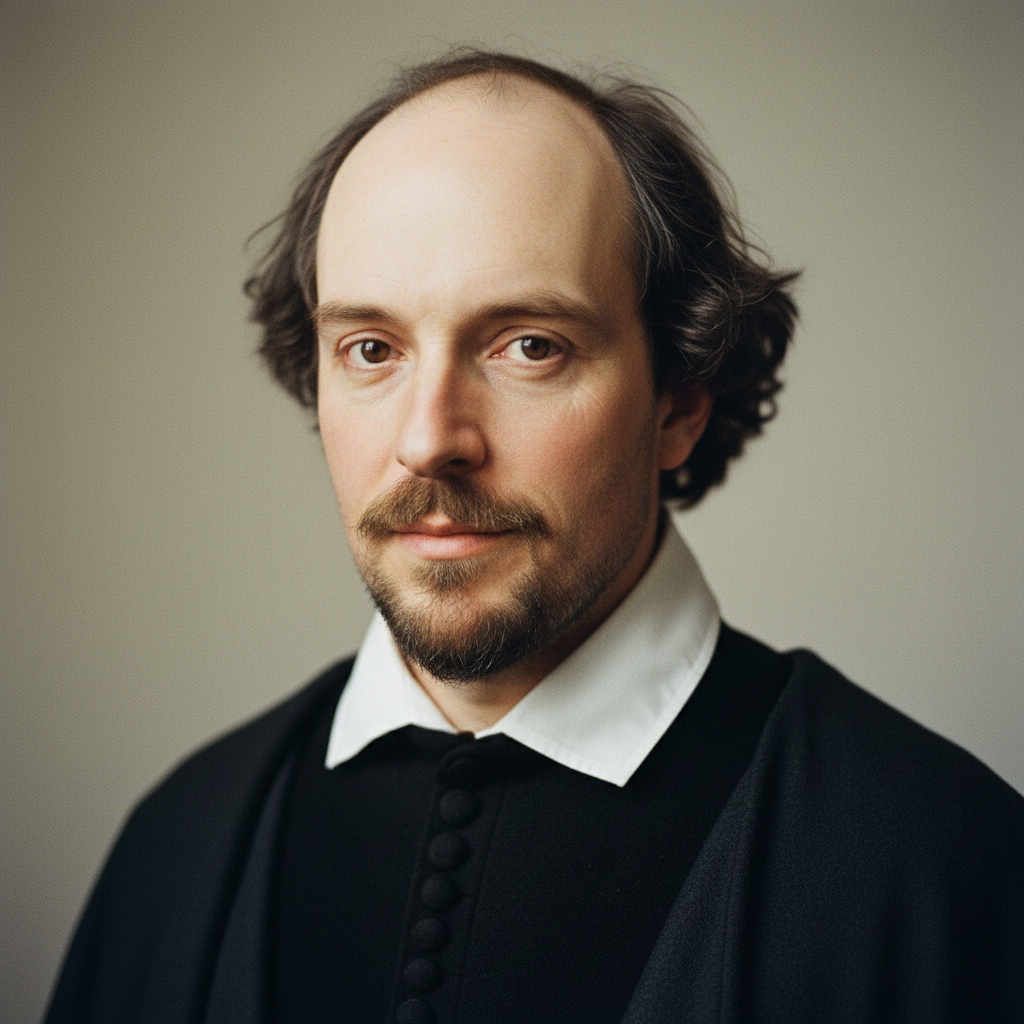
William Shakespeare
1564–1616 · Stratford-upon-Avon and London, England
William Shakespeare was an English playwright, poet, and actor who became the most celebrated dramatist of the English language.

William the Conqueror
1028–1087 · Duchy of Normandy; Kingdom of England
Norman duke who won the 1066 invasion of England and became its first Norman king.
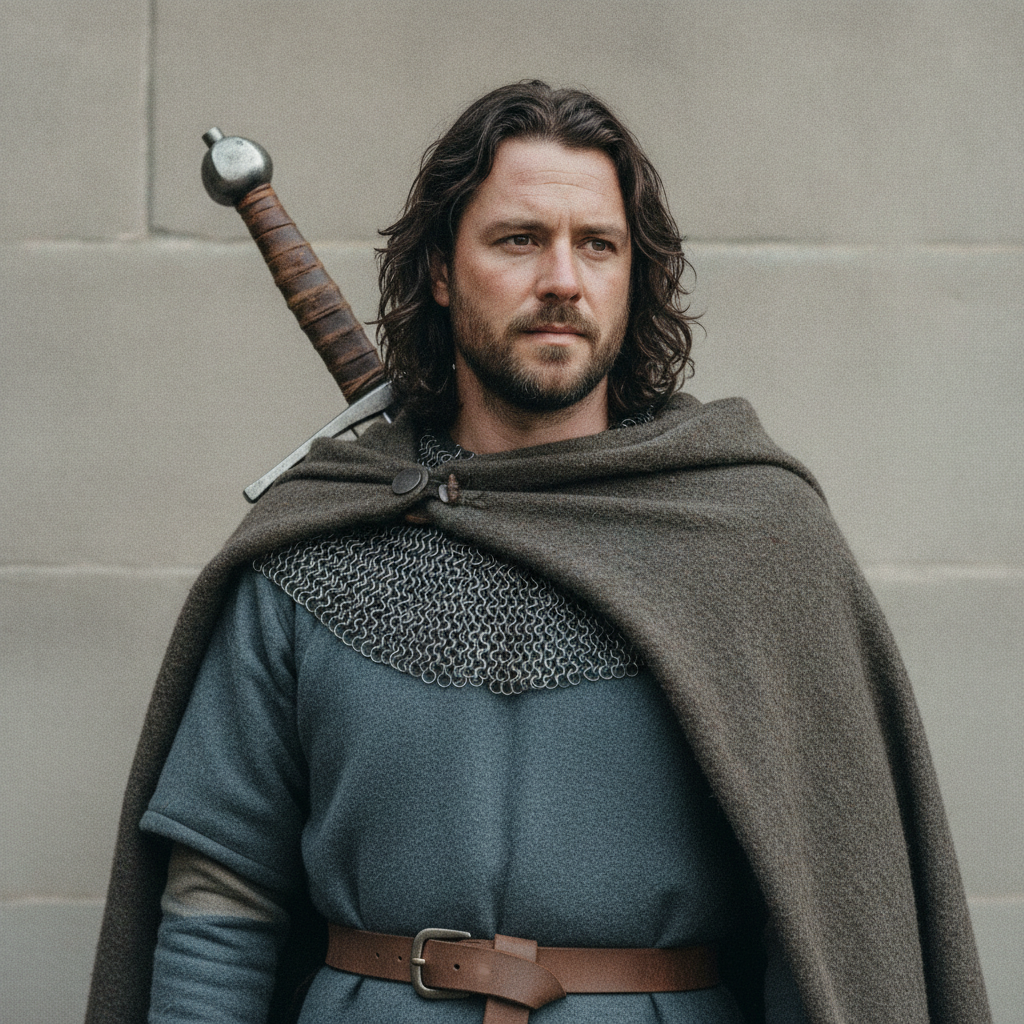
William Wallace
1270–1305 · Scotland (Lowlands / Borders)
William Wallace, a late-13th-century Scottish knight who led resistance against English rule and was executed in 1305.
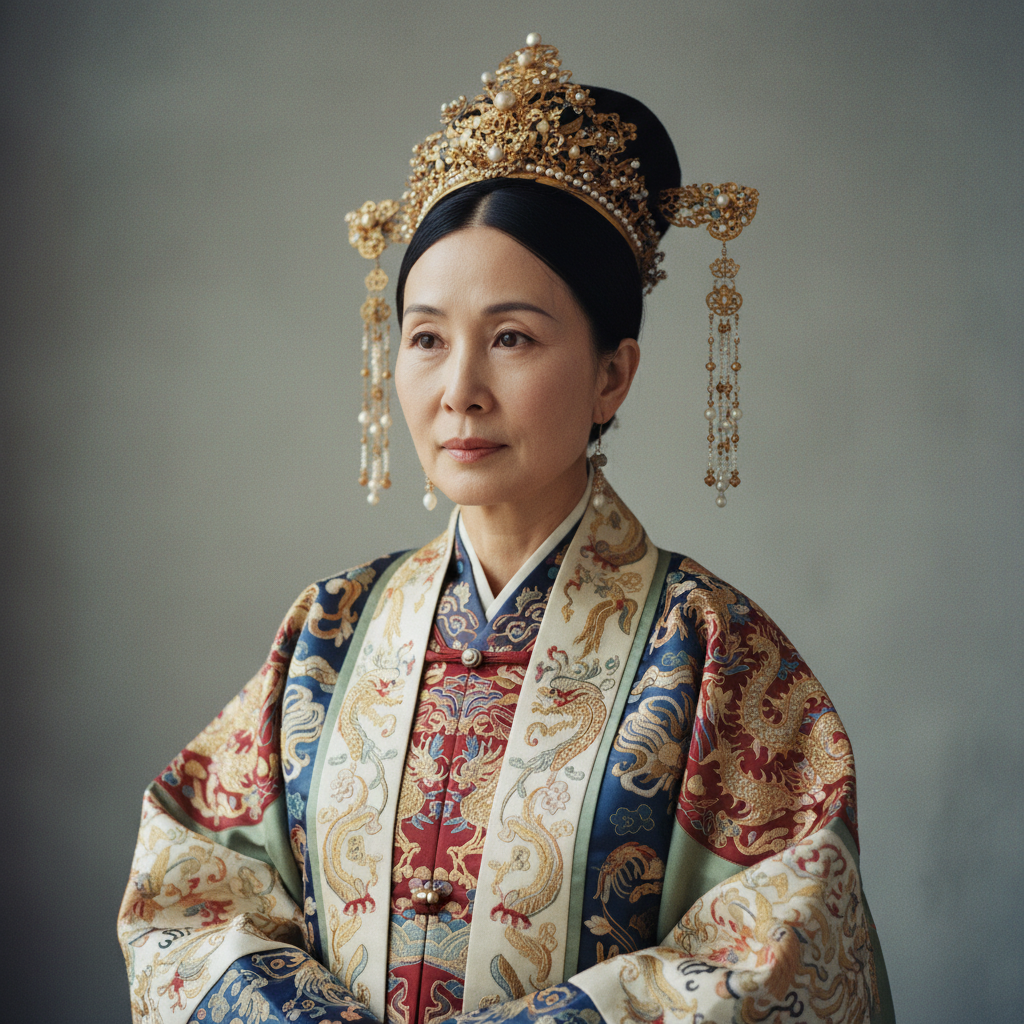
Wu Zetian
624–705 · China (Tang court, northern China)
Wu Zetian: the only woman in Chinese history to rule as emperor, who controlled Tang court politics and established the Zhou interregnum in the late 7th century.
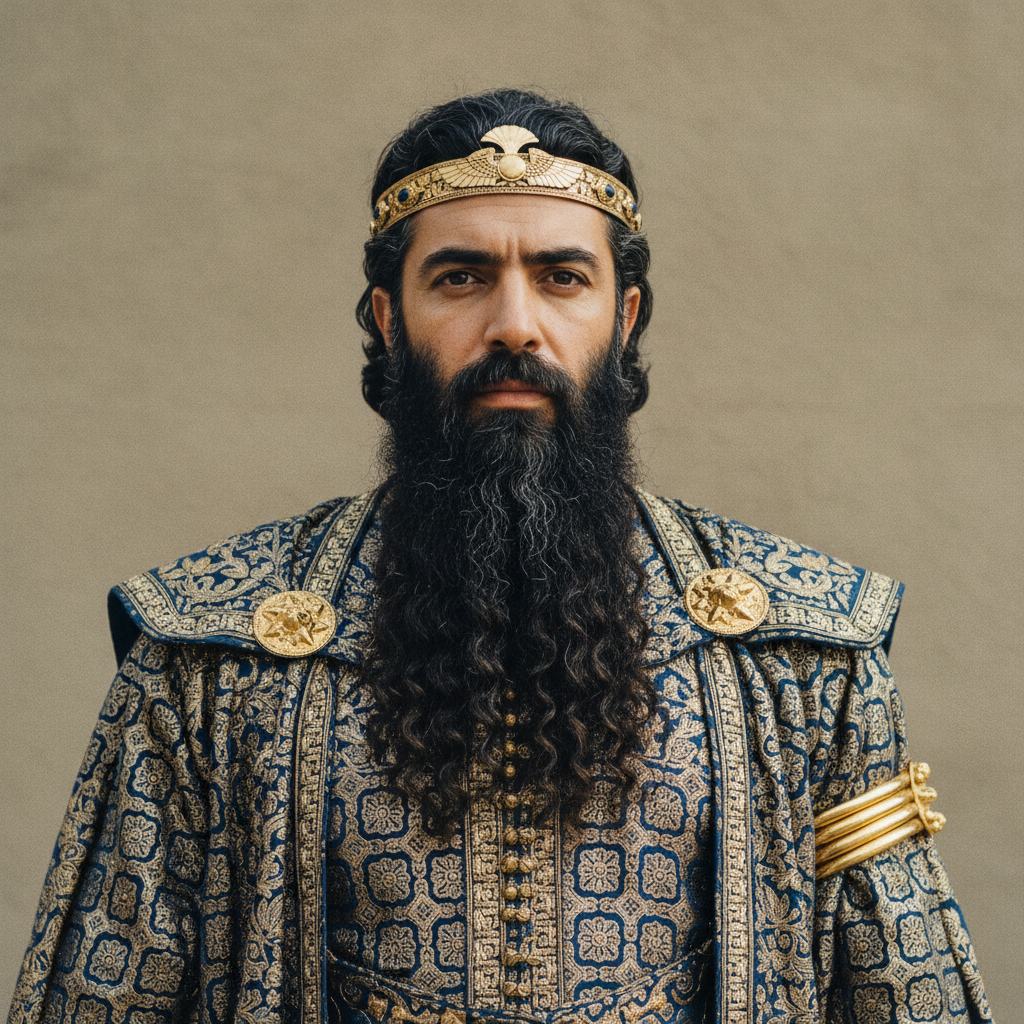
Xerxes I
519 BCE–465 BCE · Persian Empire (Iran, Mesopotamia, Anatolia)
Xerxes I was the fourth Achaemenid king who ruled a vast Persian Empire and led the famous campaign against Greece.
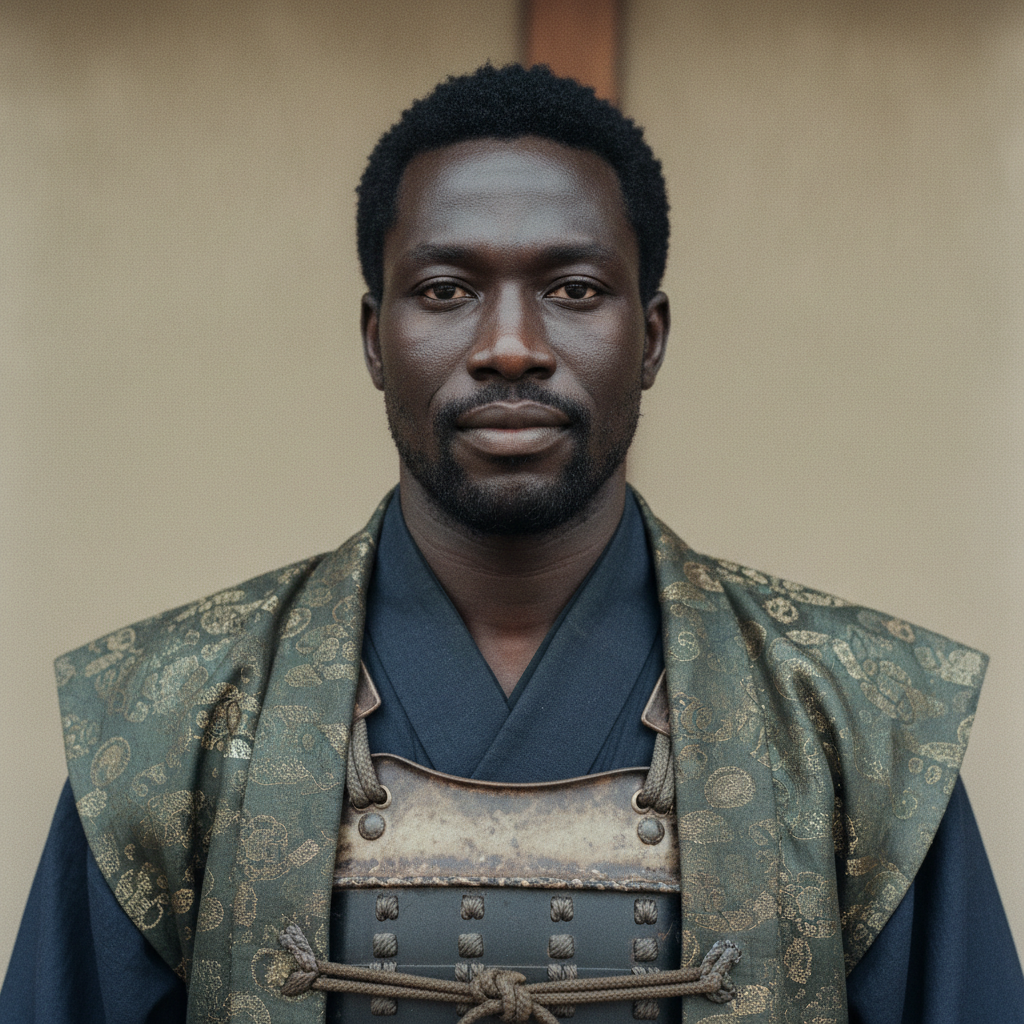
Yasuke
0–0 · Japan (originally East Africa / Portuguese Indian Ocean trade)
Yasuke was an African man who arrived in Japan in the late 1570s and served Oda Nobunaga as a samurai and retainer.
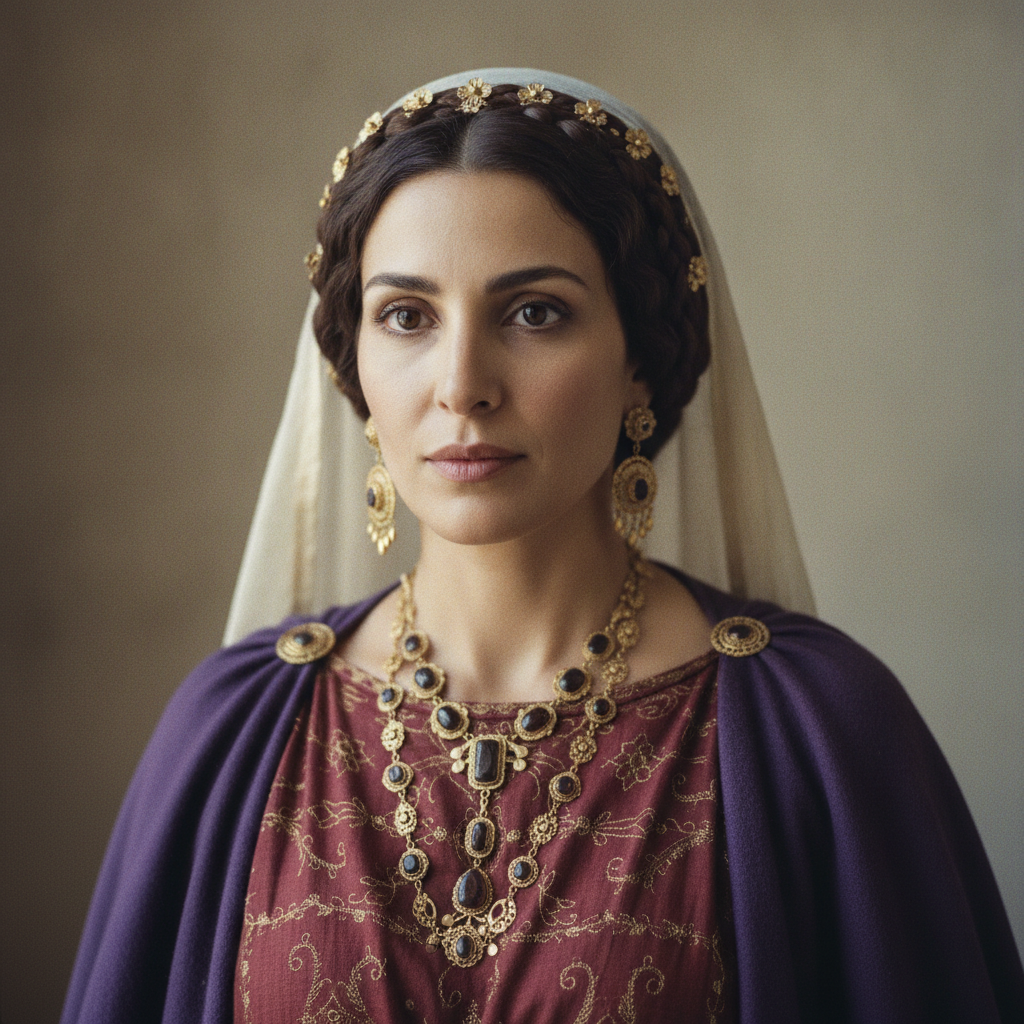
Zenobia
0–0 · Palmyra (Roman Syria)
Zenobia was the 3rd‑century queen of Palmyra who led a powerful Near Eastern realm and challenged Rome.

Zoroaster
0–0 · Greater Iran (most scholarship favors eastern Iranian regions such as Khorasan / Bactria)
Zoroaster (Zarathustra) was the early Iranian prophet who taught the Gathas and founded the religion later called Zoroastrianism.